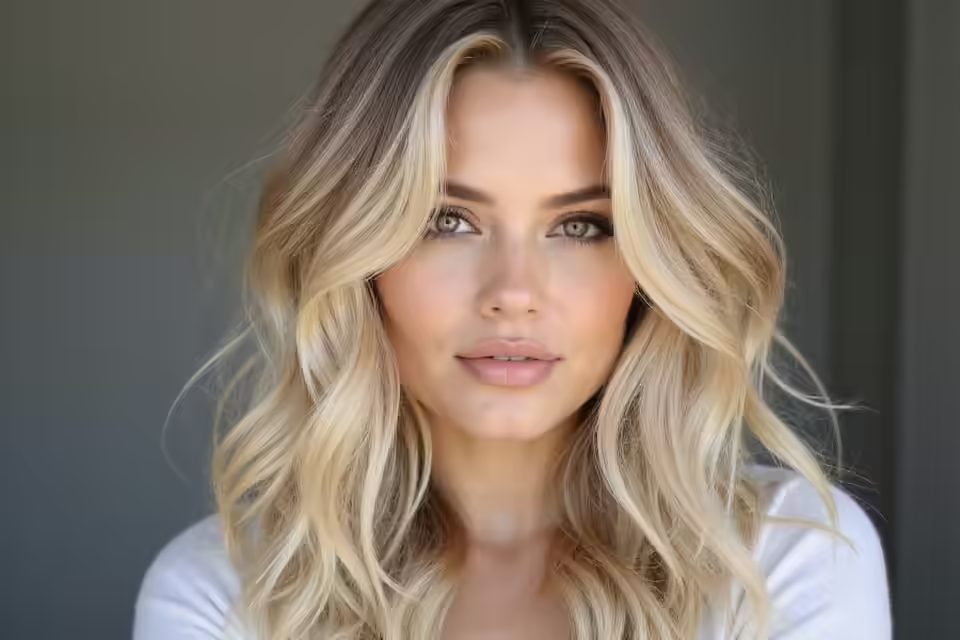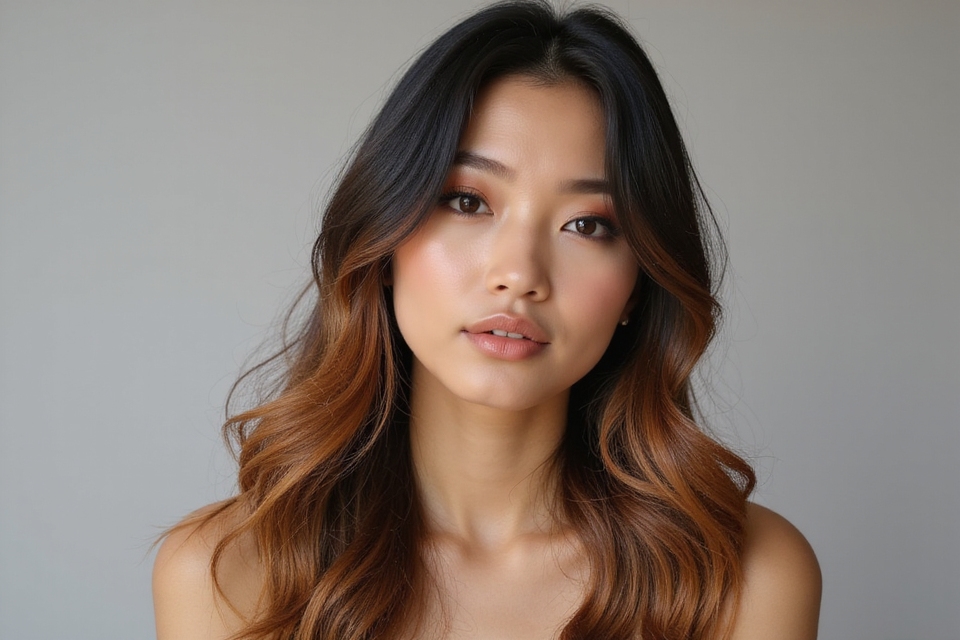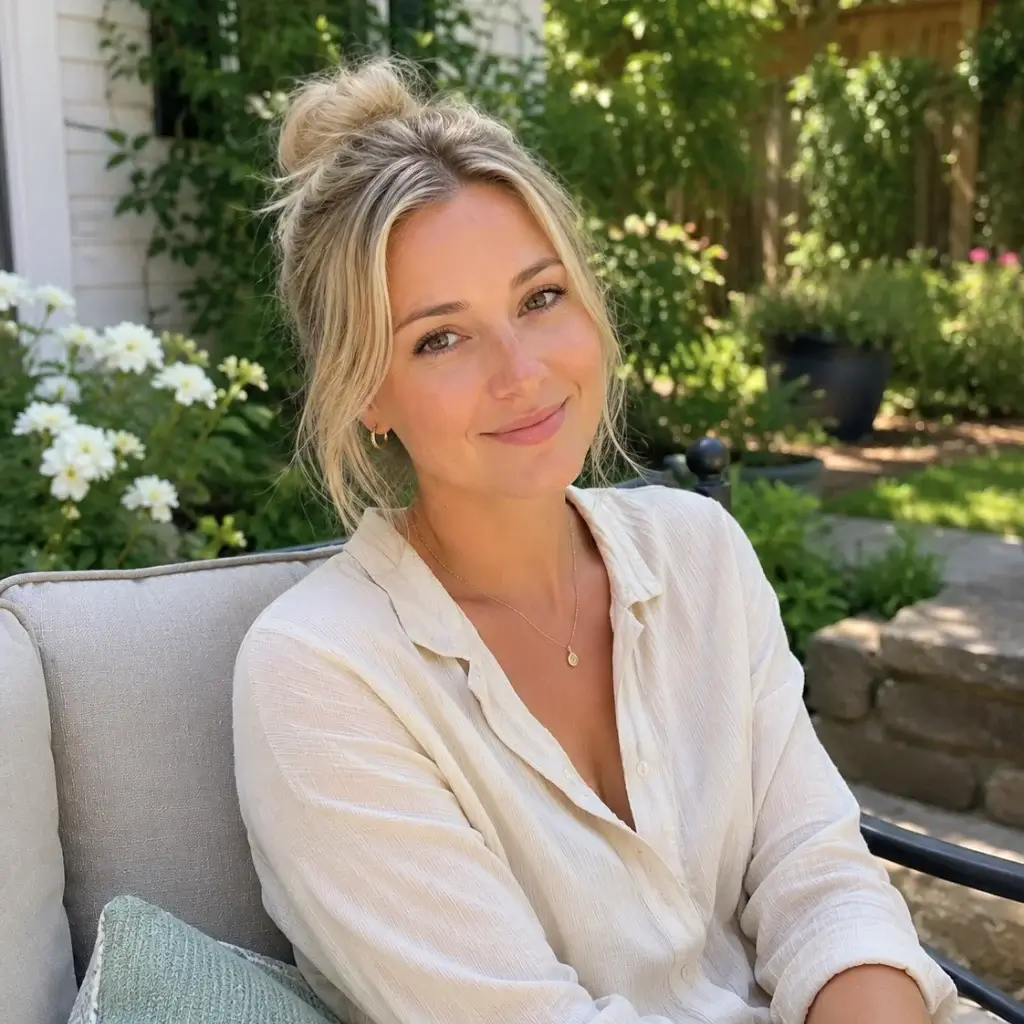
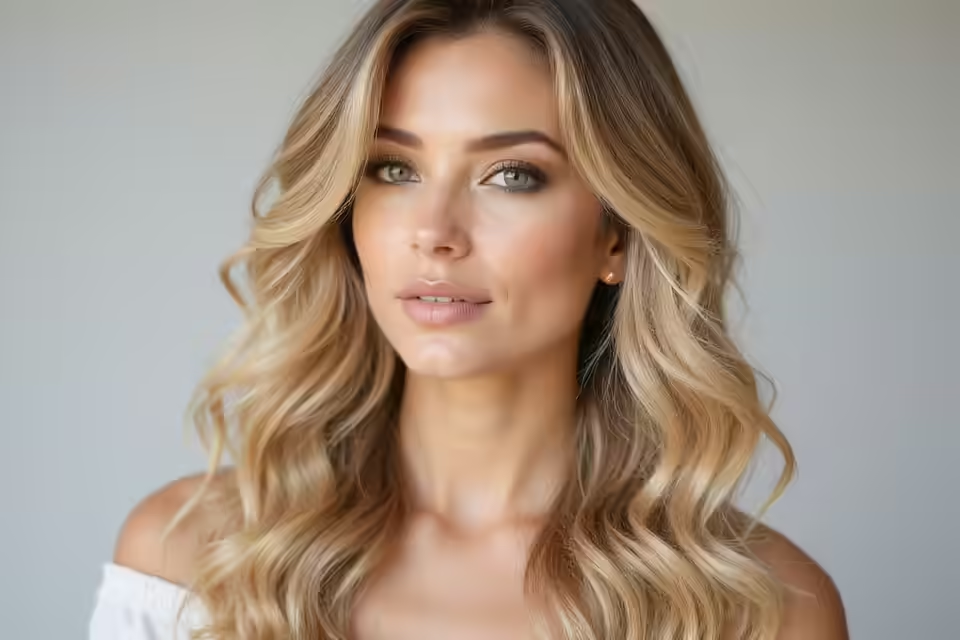
Ask ten people for blonde and you’ll get ten different colors. Blonde isn’t one shade; it’s a huge family running from the palest icy platinum to a warm, buttery gold, and the one that flatters you depends entirely on your skin and how much upkeep you want.
Here are the blonde ideas worth knowing, sorted by warmth and brightness, with who each suits, what it costs, and the honest maintenance behind it, so you arrive at your appointment able to name the exact blonde you’re after.
Blonde, the Short Version
Blonde splits into warm (honey, golden, butter, strawberry), cool (ash, platinum, beige), and neutral (sandy, wheat, champagne). Cool skin glows in cool blondes, warm skin in warm ones, which is the single biggest factor in picking yours.
Brightness drives upkeep. The lighter and cooler you go, the more lifting, toning, and money the color asks for, while soft, rooted, warmer blondes grow out gently and cost far less to maintain.
Subtle Sophisticated Beige Blonde
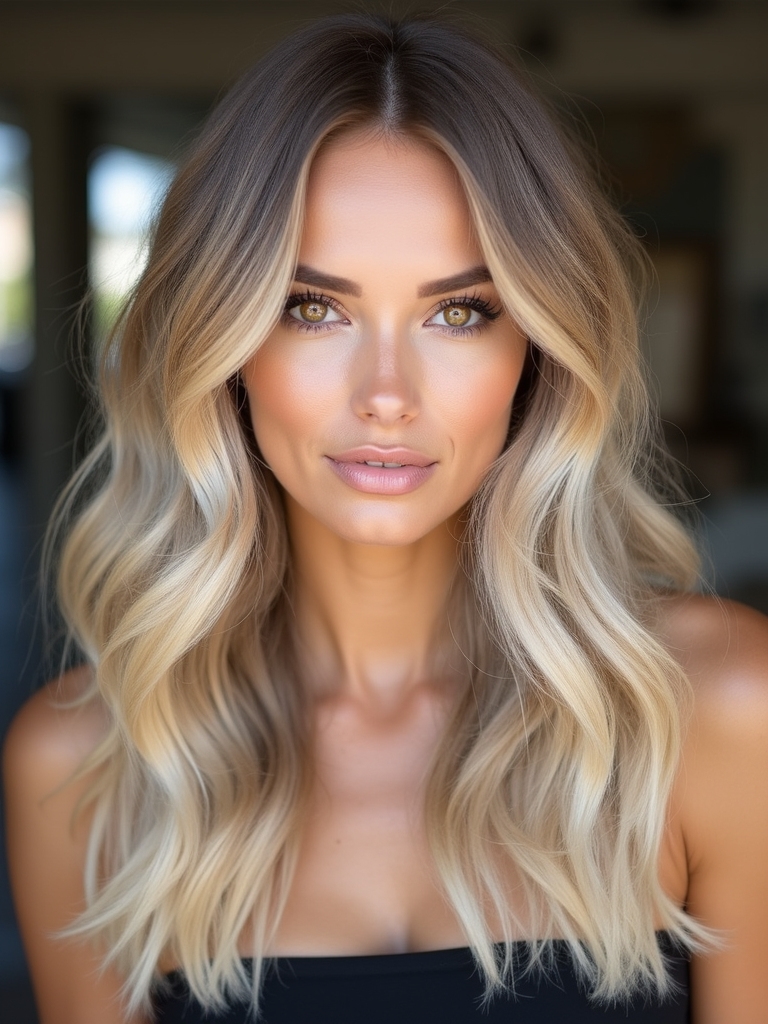
Beige blonde is the quiet-luxury favorite, a neutral shade that balances warm and cool so it looks soft and expensive on almost everyone. It’s the blonde people describe as just right when they can’t name what they want.
- A neutral blonde that suits warm, cool, and neutral skin.
- Looks pricey precisely because it’s so understated.
- Needs toning to keep the neutral balance from going gold.
Sandy Blonde Coastal Charm
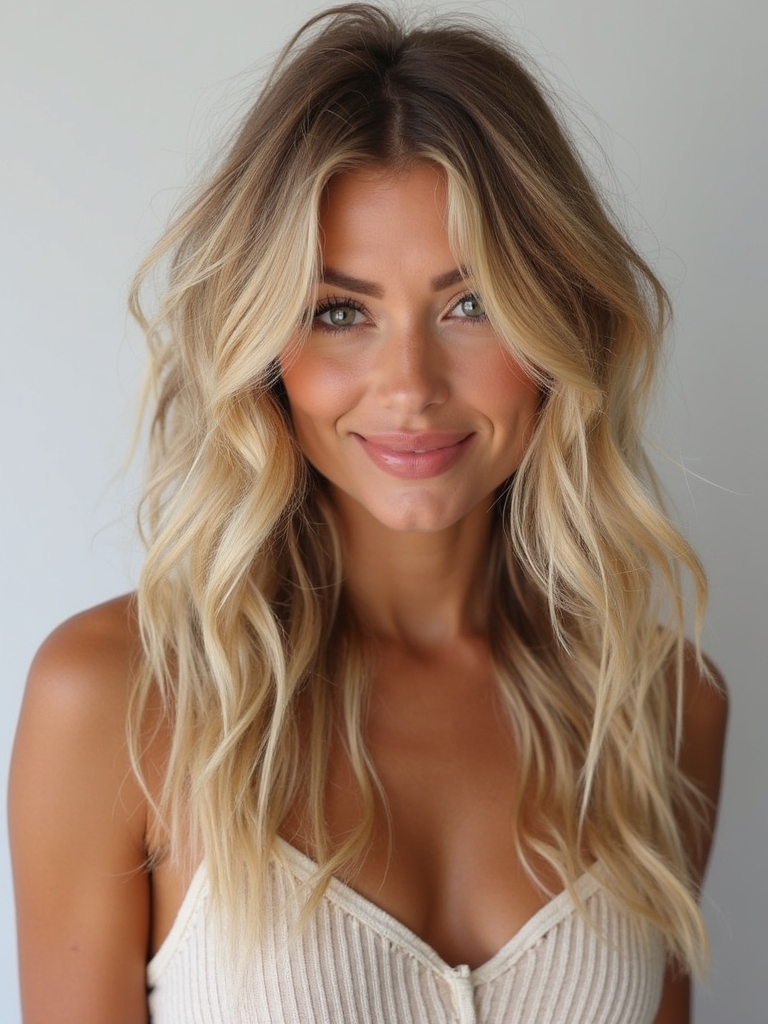
Sandy blonde is the relaxed, beachy member of the family, a soft golden-neutral that looks like sun on dune grass. It sits a touch warmer than beige but stays understated, perfect for anyone who wants low-key blonde with a holiday feel.
Why Sandy Is Low-Lift
A few face-framing foils or a soft balayage over a light-brown base is usually all it takes, so the hair barely feels the lift. The faint golden cast is what reads beachy rather than brassy.
It suits warm and neutral skin best and grows out beautifully, since there’s little contrast with most roots. This is my pick for someone who summers outdoors and wants color that looks better, not worse, as it sun-fades.
Find your blonde lane by undertone.
🎯Warm or deep skin
Honey, golden, buttery, or strawberry blonde glow against your complexion.
🎯Cool or fair skin
Ash, platinum, beige, and frosty blondes keep things crisp and clean.
Sweet Warm Multidimensional Blonde
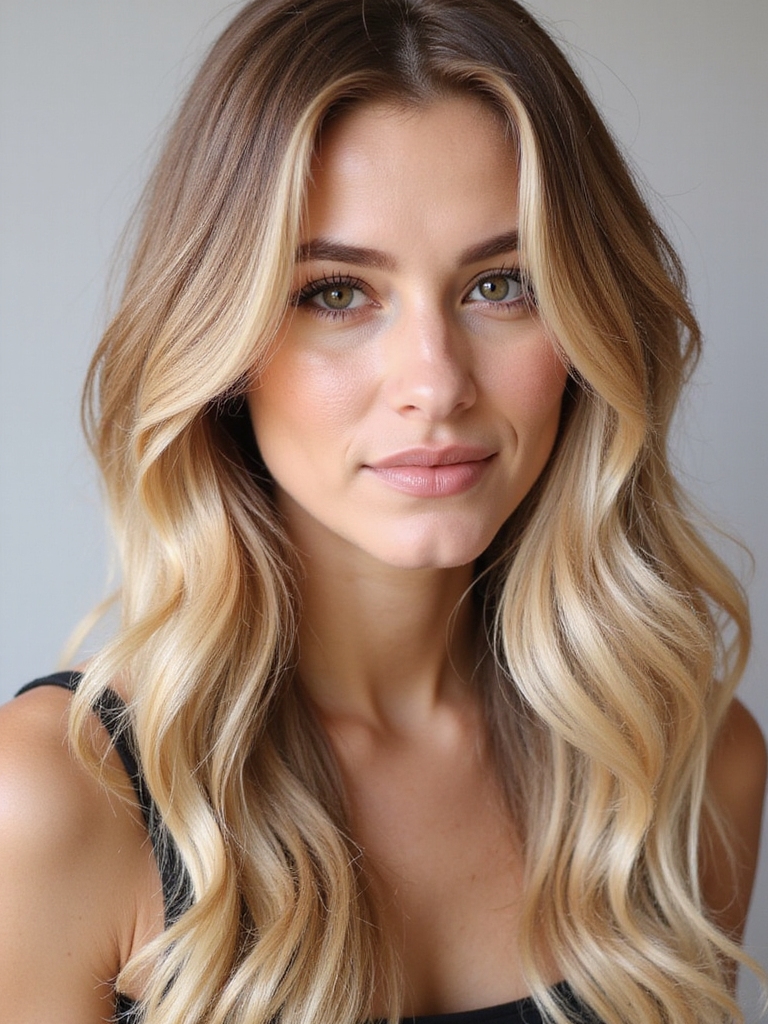
A multidimensional warm blonde blends several close tones, deeper roots melting into brighter, golden lengths, so the color moves and catches the light. Dimension is what gives blonde life and movement, and it’s the difference between flat color and color that catches the eye.
- Blends deeper roots with brighter ends for movement.
- Hand-painted dimension grows out softly with no harsh line.
- The most natural-looking way to wear warm blonde.
Warm Inviting Honey Blonde
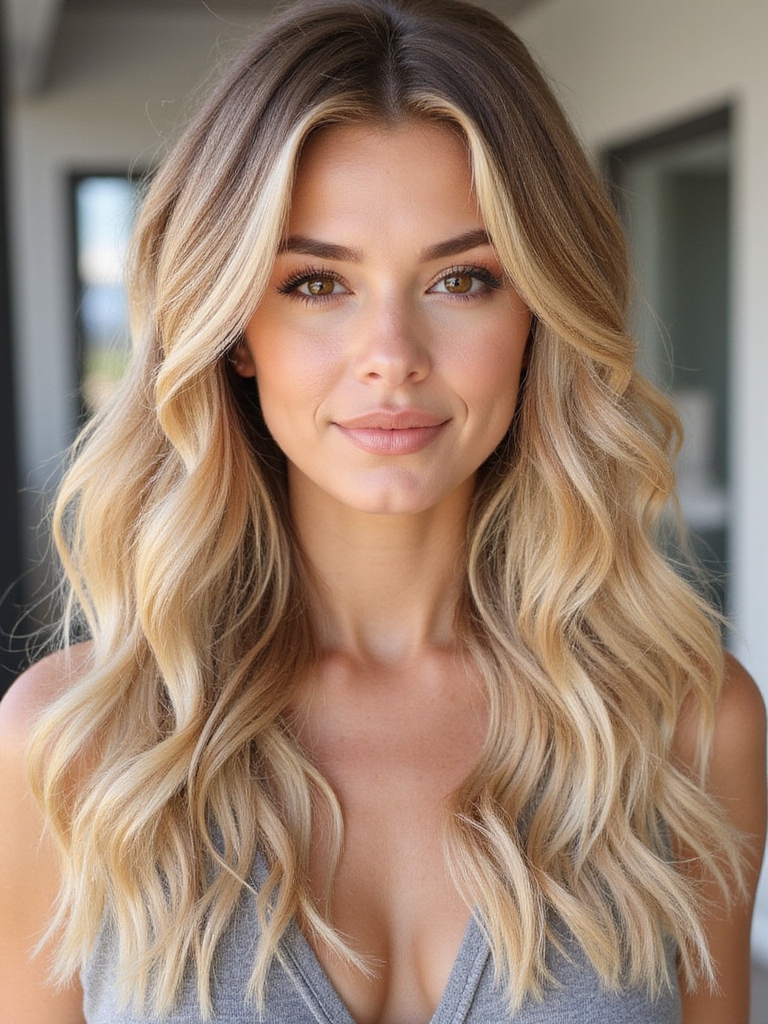
Honey blonde is the cozy, golden-amber shade that warms the whole face. It’s one of the most flattering warm blondes for warm and deep skin, glowing against the complexion. For the full breakdown, see our guide to a blended honey blonde.
- A warm, golden amber that brightens warm and deep skin.
- Gentle on dark hair, since it doesn’t need heavy lifting.
- Tone to keep it from sliding brassy over time.
Which blonde fits your life?
1You want low upkeep
Sandy, wheat, or a rooted balayage grow out softly for months.
2You want maximum brightness
Platinum or frosty blonde deliver, but commit to the toning and bond care.
Elegant Ash Blonde
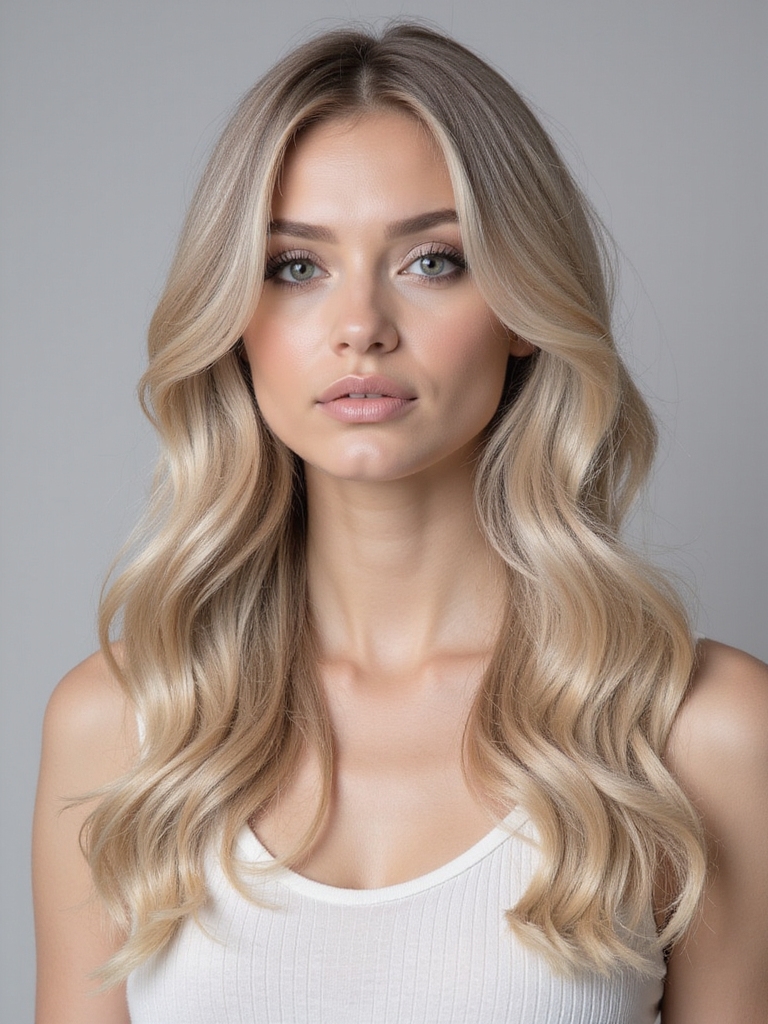
Ash blonde cools the whole family down, muting any gold for a sleek, modern, slightly smoky finish. It’s the go-to for anyone who hates warmth in their hair and wants that crisp, polished, cool-toned look.
The trade-off is upkeep: ash fades warm fast, so it needs regular toning to stay true. Cool and neutral undertones wear it best, where the absence of gold looks clean instead of sallow.
- Cool and smoky; best for cool and neutral undertones.
- High toning upkeep, since ash fades warm quickly.
- Reads modern and crisp against fair, cool skin.
Radiant Buttery Blonde
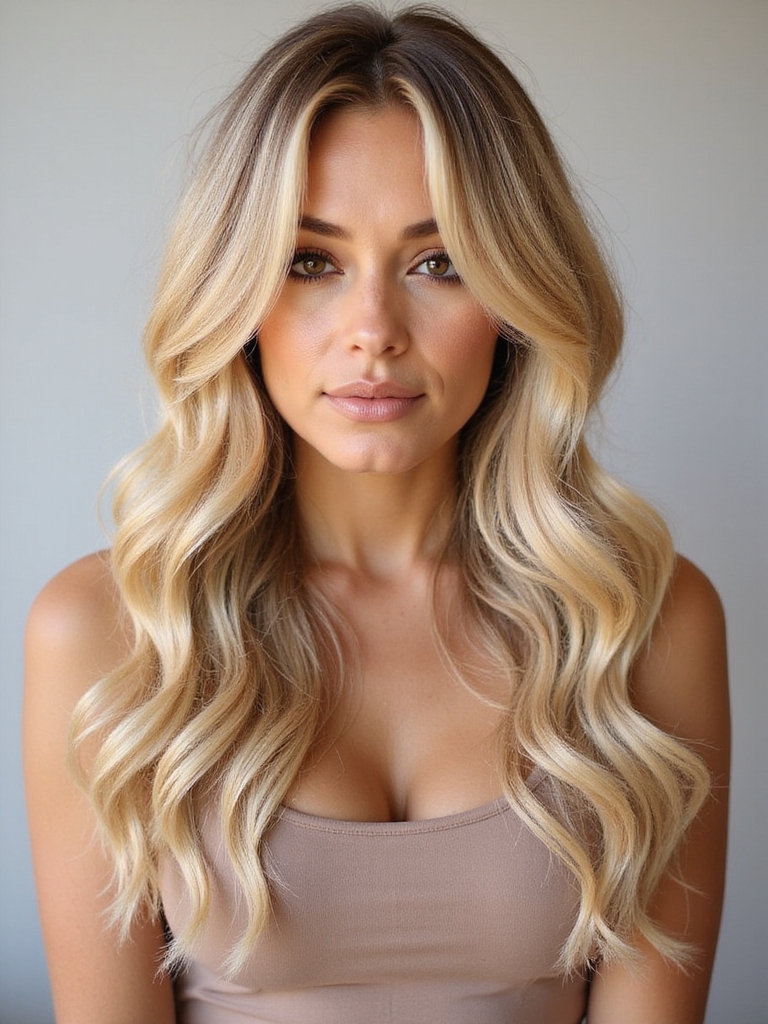
Buttery blonde is the soft yellow-gold that looks rich and creamy, like the inside of a croissant. It’s warm and luminous, the dreamy bright blonde that flatters with none of the starkness of platinum.
It needs real lifting on dark hair, so it’s a bigger commitment for brunettes, but the payoff is a glowing, golden warmth. The key is keeping it creamy with a beige or golden toner so it never tips into harsh yellow.
Buttery blonde suits warm and neutral skin beautifully, the soft gold warming up sallow tones and brightening tired ones. It’s having a real moment as the warm answer to icy blonde, and I get more requests for it in my chair every season.
💡Pro Tip
Bring photos of the warmth you want, not just the brightness, and a photo of what you’re avoiding. ‘No gold’ or ‘no grey’ tells a colorist more than ‘blonde’ ever could, and it gets you far closer to the shade in your head.
Versatile Golden Blonde Glow
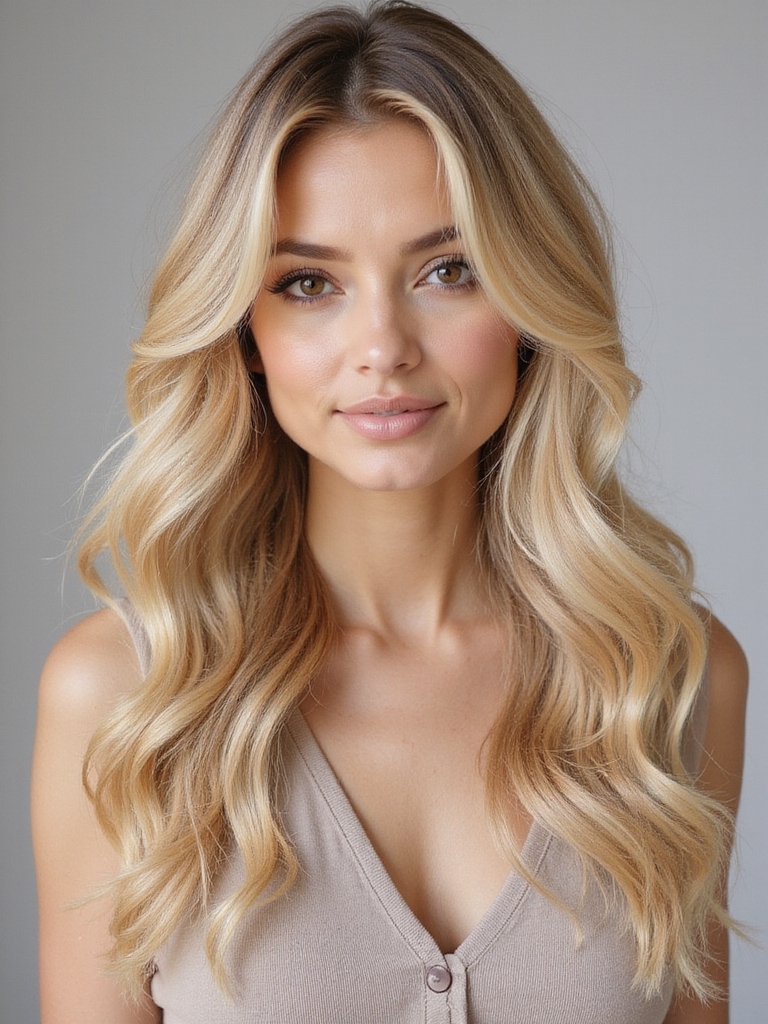
Golden blonde is the classic sunny shade, warmer and brighter than honey, with a clear gold glow. It’s the blonde most people picture first, bright, warm, and cheerful, and it photographs like sunshine.
Golden Versus Honey
Because it embraces warmth rather than fighting it, golden blonde is more forgiving than ash to maintain, since it isn’t battling brass at every wash. That makes it a lower-stress bright blonde.
It flatters warm and golden skin best, where the gold lifts the complexion. On cooler skin it can read brassy, so a neutral-gold balance keeps it harmonious.
Playful Strawberry Blonde
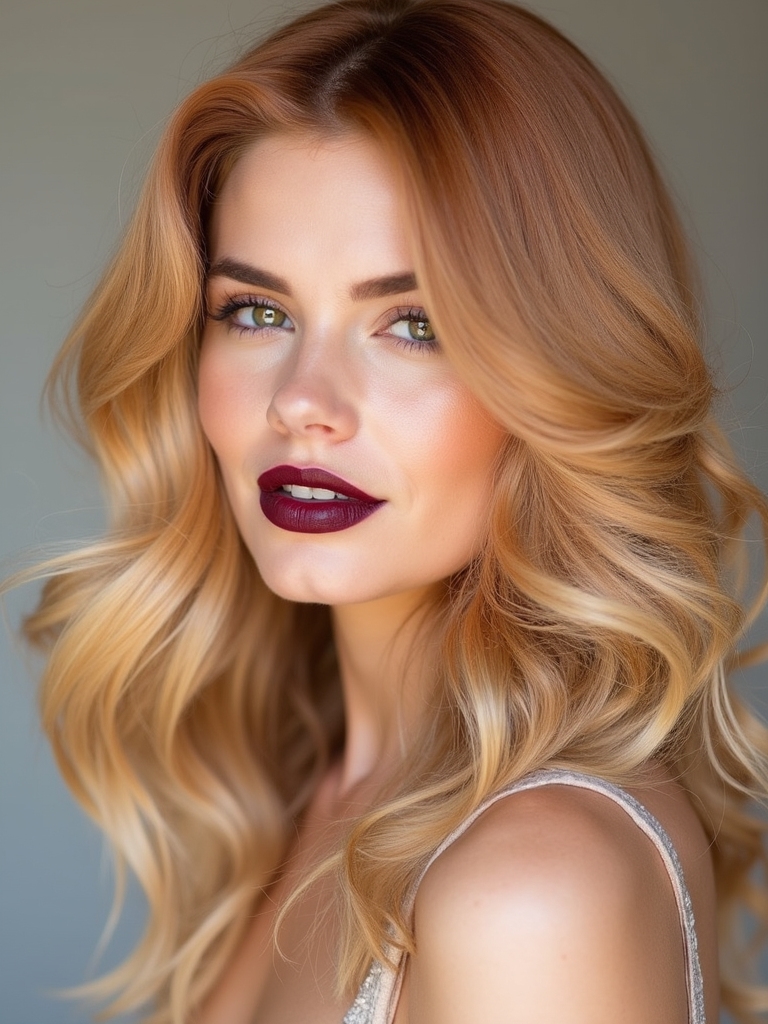
Strawberry blonde is the family’s flirtiest shade, a warm blonde with a soft red-gold tint that glows rosy in the light. It’s romantic and a little unexpected, the choice for someone who wants warmth with a hint of red.
Keeping the Red Alive
The red tint is most flattering on fair, warm, and freckled complexions, where the rosy warmth lifts the skin, though a soft version can work more widely. It pairs beautifully with warm makeup tones.
Strawberry blonde fades faster than plain blonde, since red pigment washes out quickly, so a color-depositing conditioner at home keeps the rosy tone alive between salon visits.
Two blonde myths to drop.
❌ Myth: Blonde is high maintenance, full stop
✅ Reality: Cool and platinum shades are; rooted, warm blondes grow out softly with low upkeep.
❌ Myth: Warm blonde looks cheap
✅ Reality: Done right, honey, golden, and buttery blondes look rich and expensive, and flatter more skin tones than icy ones.
Frosty Cool Blonde
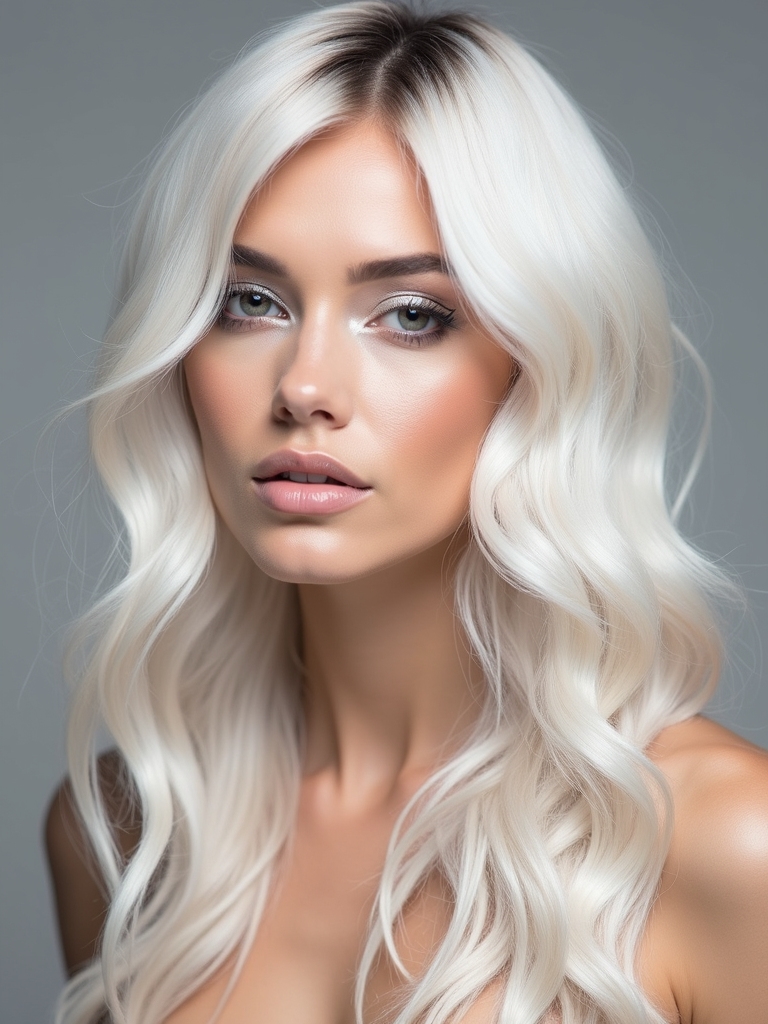
Frosty blonde is the iciest, coolest bright blonde, a near-white with a cool, silvery cast. It’s bold and high-fashion, the statement blonde for someone who wants maximum brightness and a cool, almost frozen finish.
It’s the highest-maintenance shade here, demanding heavy lifting, frequent toning, and serious bond care, since getting and keeping hair this light is hard on it. Best on cool skin, where the icy tone flatters; on warm skin it can look harsh.
Champagne Blonde
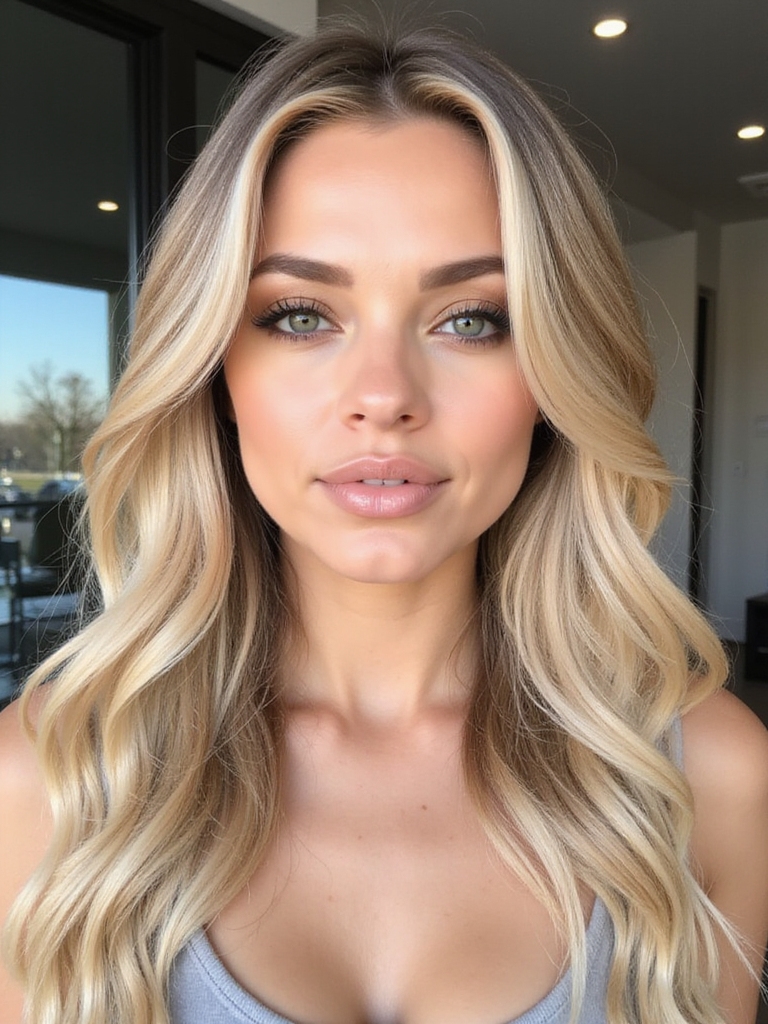
Champagne blonde is the soft, sparkling neutral between beige and gold, a pale blonde with a barely-there warmth like a glass of bubbly. It’s elegant and dreamy, brighter than beige but softer than gold.
Champagne Versus Beige
The subtle warmth keeps it flattering on a wide range of skin tones, reading neither too cool nor too brassy. It’s a popular bridal and red-carpet choice for exactly that reason.
It does need lifting and toning to stay pale and soft, so it’s a medium-to-high upkeep blonde. A beige-leaning toner keeps the champagne from going either gold or grey.
Natural Low-Maintenance Wheat Blonde
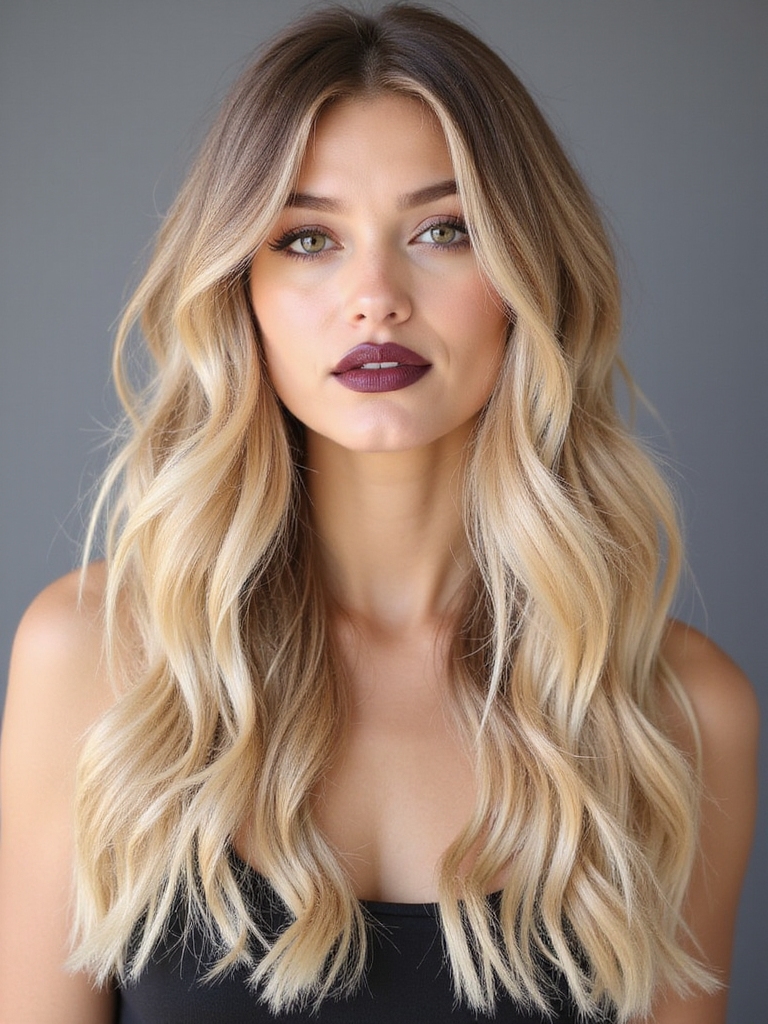
Wheat blonde is the easygoing middle of the road, a soft golden-neutral like sunlight on a field of grain. Slightly warmer than ash but softer than gold, it’s the foolproof blonde that suits the widest range of people.
Wheat for First-Timers
Wheat leans cooler and flatter than sandy, with no beachy gold, so it reads quiet and grown-up rather than sun-streaked. That even, matte-soft tone is what makes it so foolproof on camera and in person.
It’s my default suggestion for anyone who wants blonde but isn’t sure which direction to lean, since it suits nearly every complexion and fades out with no hard regrowth line.
Platinum Blonde
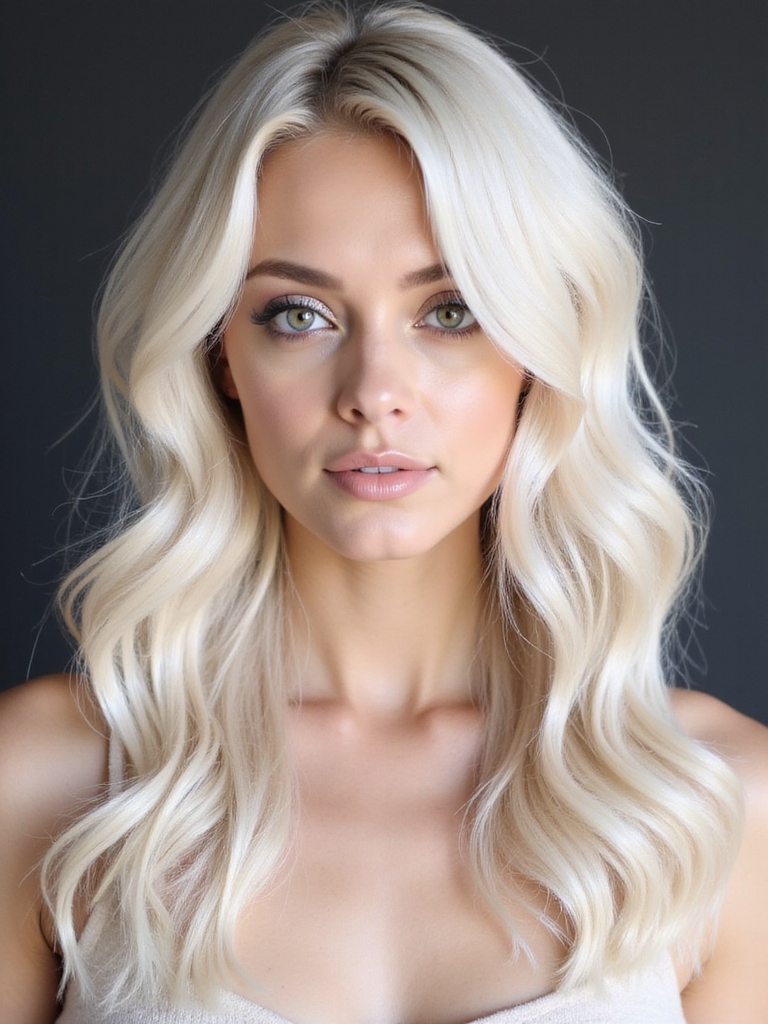
Platinum is the boldest blonde of all, an almost-white, ultra-light shade that makes a serious statement. It’s striking and high-fashion, the blonde that turns heads, but it’s also the most demanding to get and keep.
Reaching platinum means lifting the hair to its lightest possible level, which is hard on it, so bond care is essential. It’s best on those willing to commit to the upkeep and the salon budget.
- The lightest, boldest blonde; maximum statement.
- Requires heavy lifting, frequent toning, and bond care.
- Cool platinum suits cool skin; soft platinum widens the range.
Timeless Blonde With Shine
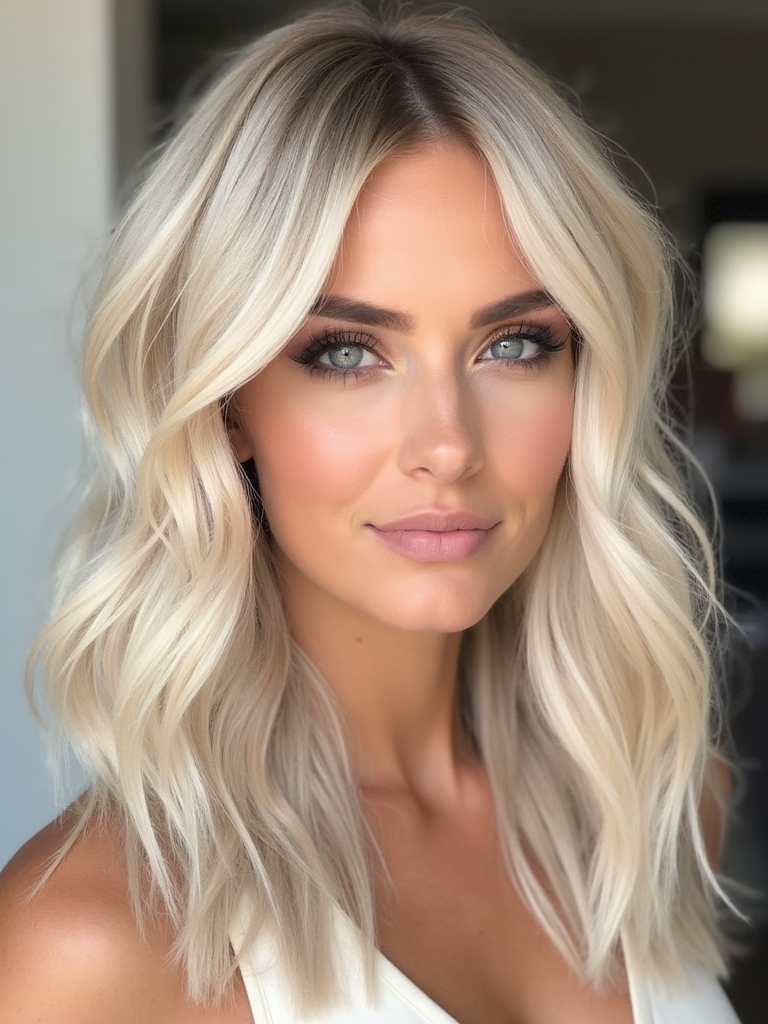
Whatever shade you pick, shine is what separates rich-looking blonde from brassy, dull blonde. A glossy finish reflects light and makes the color look healthy and rich, which is why a gloss treatment is the best money you can spend on blonde hair.
- A gloss treatment adds shine and refreshes tone between colors.
- Sulfate-free washing and cool rinses protect the shine.
- Dull, dry blonde looks brassy no matter how good the color.
Warm Creamy Blonde
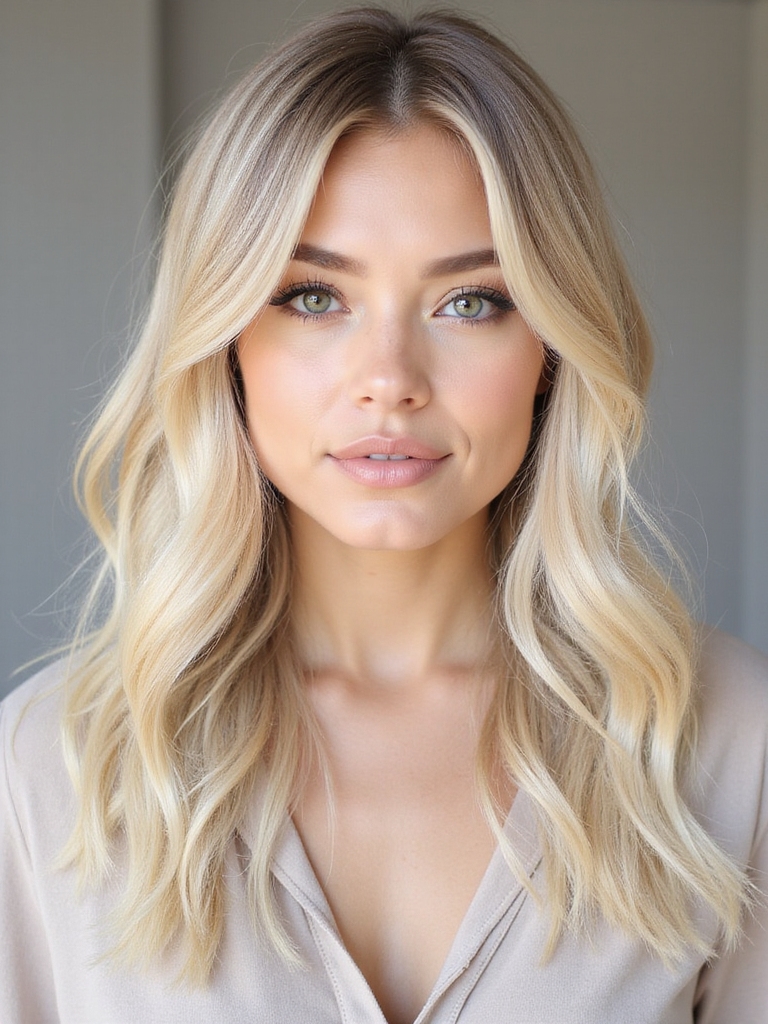
Creamy blonde is the soft, milky-warm shade that looks rich and buttery rather than icy. A touch deeper and warmer than platinum, it’s the dreamy bright blonde that flatters without the starkness of a true icy tone.
Creamy Versus Platinum
It needs lifting on dark hair but reads softer and more forgiving than platinum, since the warmth blends more kindly with regrowth. A beige toner keeps it creamy rather than yellow.
It flatters warm and neutral skin, the milky softness blurring regrowth and reflecting light without the hard edge of true platinum. Think of it as platinum’s cozier, more wearable cousin.
Luxurious Cozy Blonde
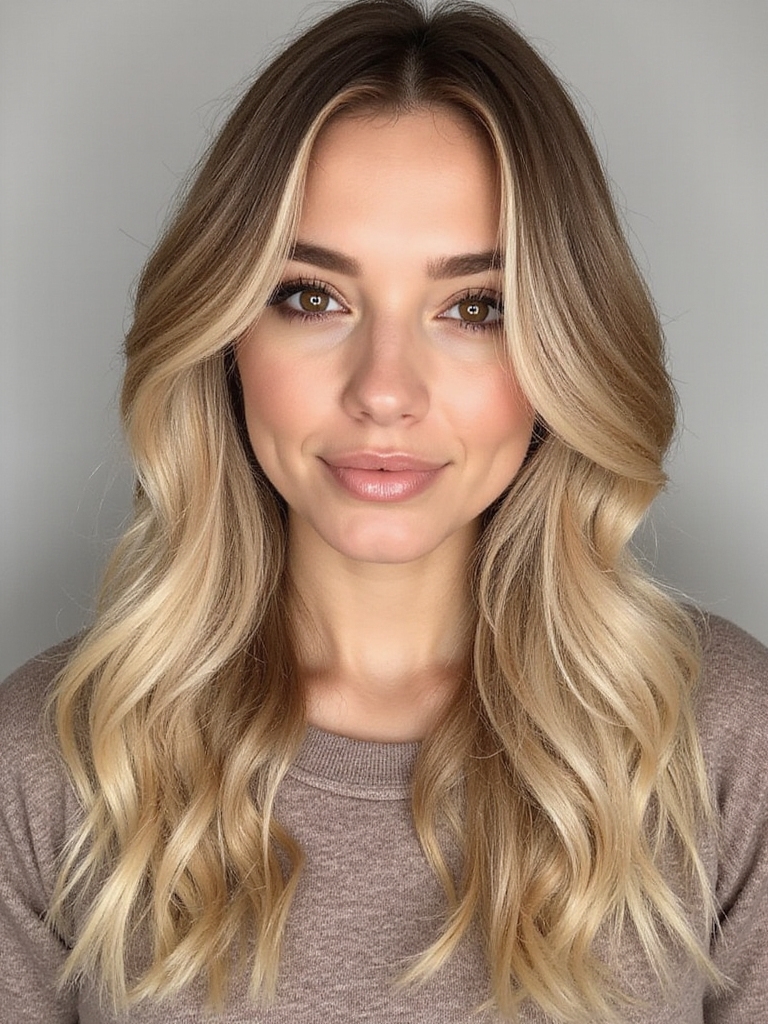
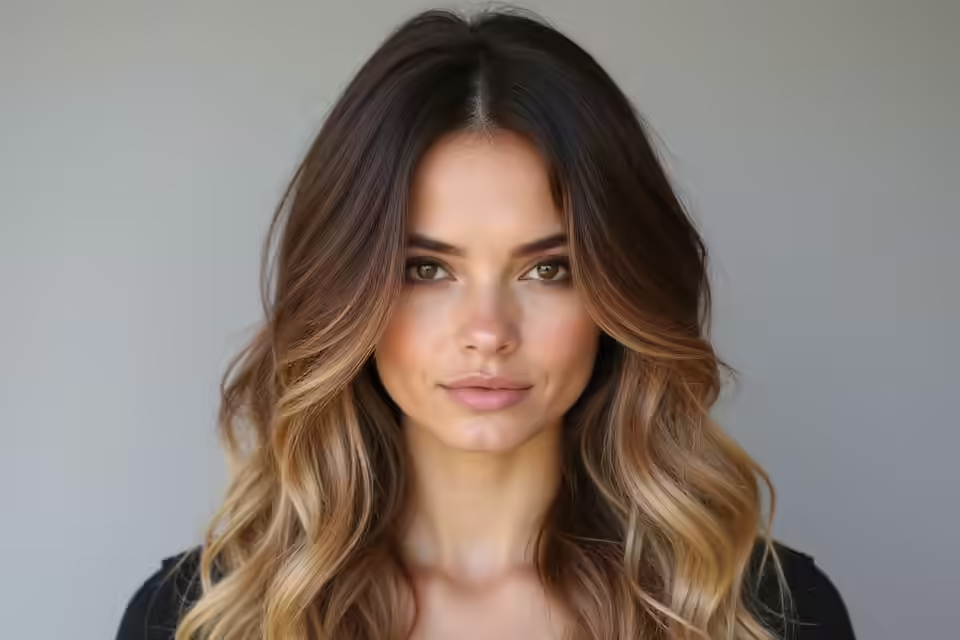
The coziest way to wear blonde is rooted and dimensional, a deeper shadow root melting into warmer blonde lengths. This worn-in approach gives that luxe, salon-fresh feel while keeping upkeep low, since the deeper root means regrowth barely shows.
- A shadow root blends new growth for months of soft grow-out.
- Warm, dimensional lengths read cozy and high-end.
- The easiest brighter blonde to live with month to month.
Warm Bright Blonde Solution
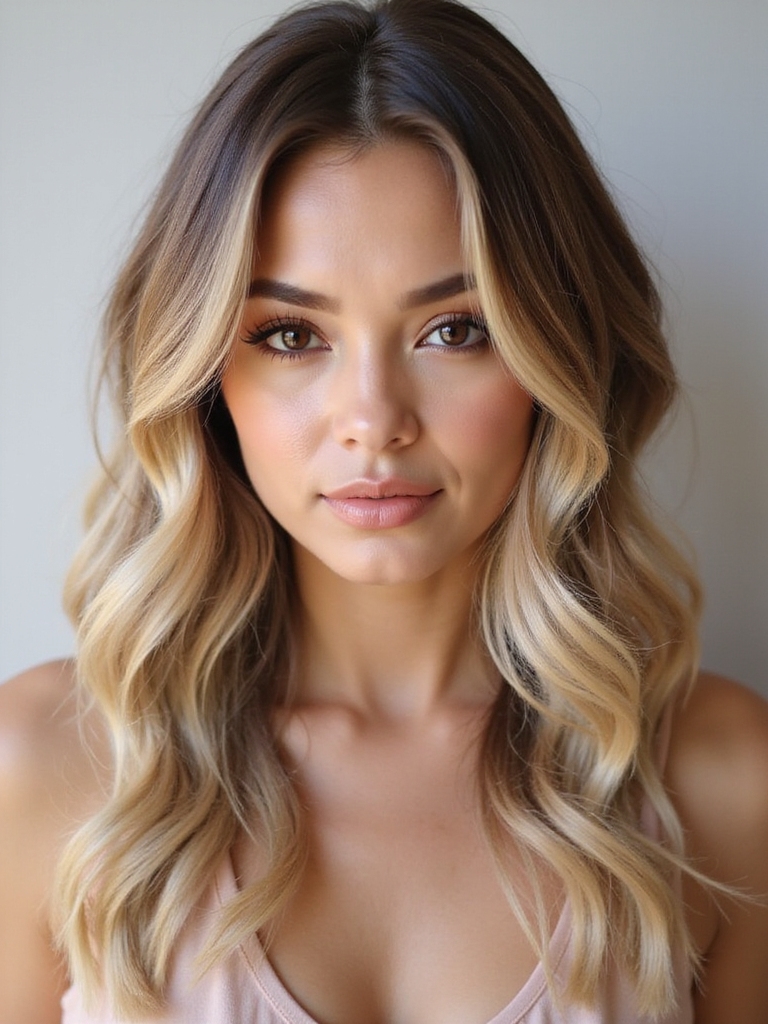
If you’ve struggled with blonde looking flat or brassy, the fix is usually warmth done on purpose rather than fought. Leaning into a warm, golden blonde instead of battling for icy cool means less toning, less brass anxiety, and a glow that suits more skin tones.
This is the practical answer for anyone tired of the cool-blonde maintenance grind. A warm blonde works with your hair’s natural undertone, so it stays flattering and fresh with far less effort between salon visits.
Floral Warm Versatile Blonde
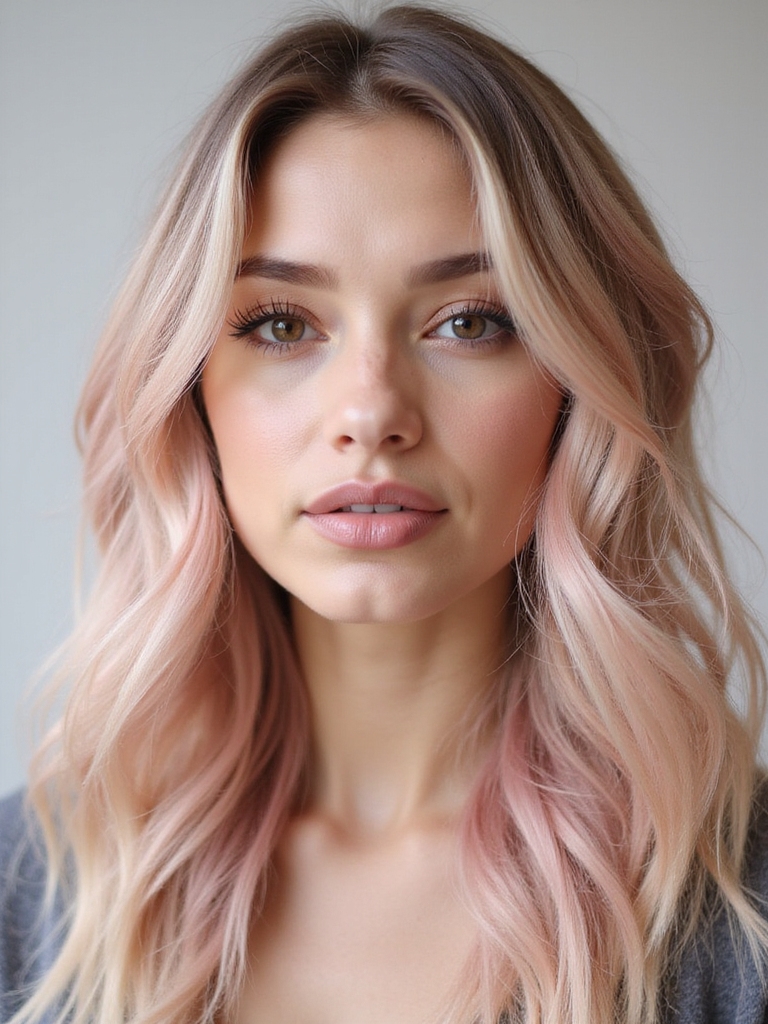
A soft, floral-warm blonde blends gentle gold and the faintest rosy warmth for a romantic, petal-soft finish. It’s a pretty, feminine take that sits between golden and strawberry, flattering without committing fully to red.
A Romantic Warm Blonde
The delicate warmth flatters fair and warm skin beautifully, glowing soft and rosy in the light. It’s a lovely spring and summer choice when you want warmth with a romantic edge.
Like any tinted blonde, it benefits from a color-depositing conditioner to keep the soft warmth from washing out. A refresh gloss two or three times a year keeps the tone soft and shiny.
Sun-Kissed Highlights
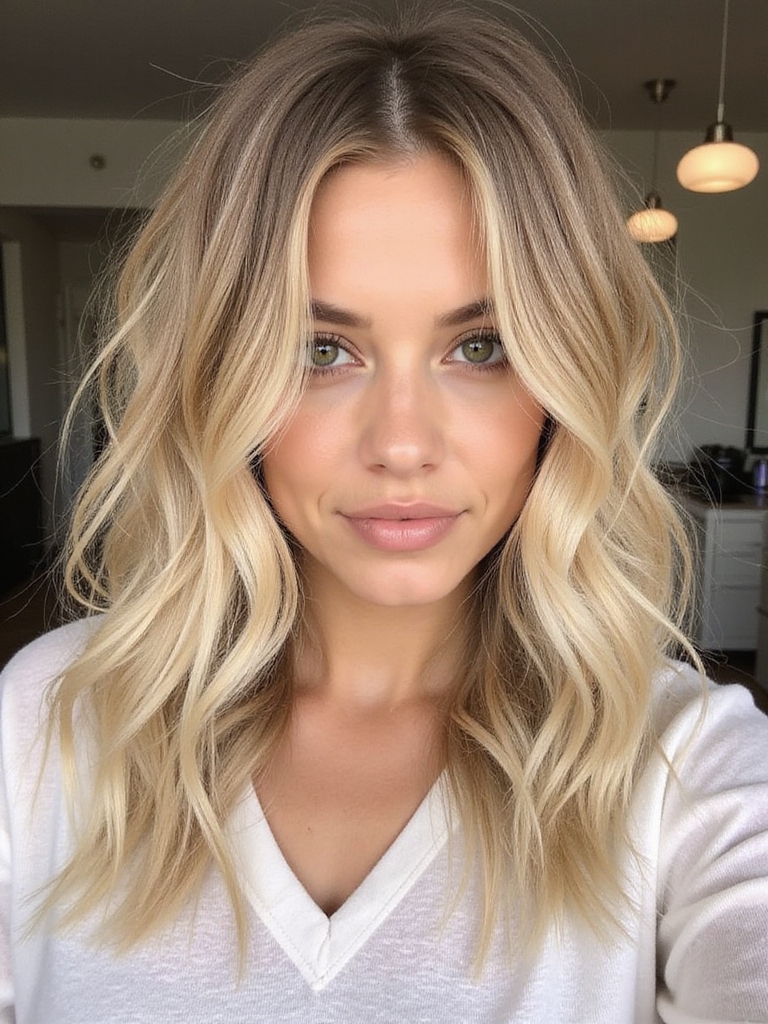
If you don’t want all-over blonde, sun-kissed highlights brighten your base where the light would naturally hit. Scatter a handful of lighter pieces near the face and down the mid-lengths and you get the glow of blonde for a fraction of the commitment.
- Face-framing and mid-length pieces mimic natural sun-lightening.
- Far lower upkeep than all-over blonde, with no harsh root.
- A great first step into blonde from a darker base.
Dimensional Blonde Techniques
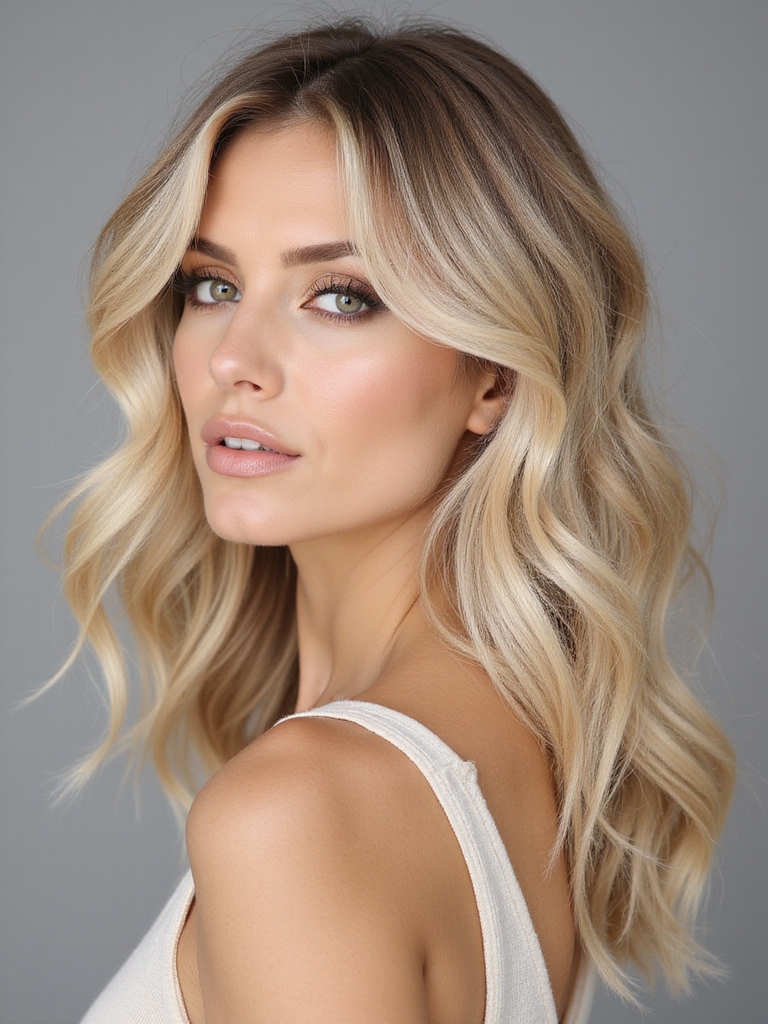
How blonde is applied matters as much as the shade. Balayage hand-paints soft, grown-out-friendly color; foils give brighter, more uniform lift; and a root shadow or melt blends everything down so there’s no harsh line. The technique decides how bright you can go and how it grows out.
I always talk technique before shade with a new client, because the right method is what makes blonde livable. A balayage with a shadow root, for instance, gives bright blonde you only touch up a few times a year.
- Balayage: soft, painted, lowest grow-out upkeep.
- Foils: brighter, more uniform, more frequent root touch-ups.
- Root melt: blends regrowth for a softer line at any brightness.
Ashy Beige Blonde
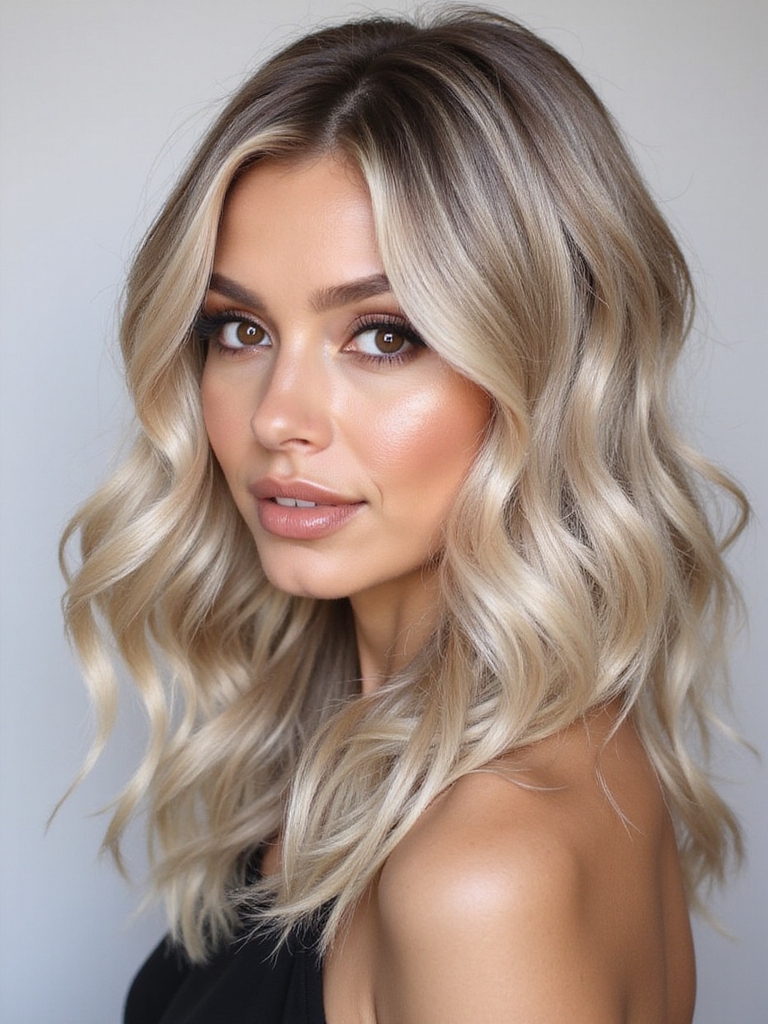
Ashy beige blonde splits the difference between cool ash and neutral beige, a muted, smoky-soft blonde that’s both modern and wearable. It has the cool, refined flatness of ash but a touch more softness, so it’s less stark against the skin.
It suits cool and neutral skin, coming across clean and current without going fully icy. Reach for it if the ash look appeals but full ash feels too cold on you.
Like all cool blondes, it needs toning to fight brass, but the beige warmth means it forgives fade a little better than a pure ash. A beige-ash toner keeps it in its lane.
Common Mistakes to Avoid
The biggest blonde mistake is picking a shade by brightness alone and ignoring undertone. A blonde that fights your skin, cool ash on warm skin, or warm gold on cool skin, looks off no matter how pretty the color is on its own, so match the undertone to your complexion first. The next trap is rushing the lift, especially at home, which is exactly how blonde ends in breakage. A good colorist lifts gradually and protects the bond.
On upkeep, be realistic before you commit. A full blonde service runs about $150 to $350, plus a toning gloss every six to eight weeks at $40 to $80, and more frequent for cool and platinum shades. Be honest with yourself about how often you’ll really get back to the salon, then choose a shade and technique that fit that budget and routine. A rooted, warmer blonde you keep up beats an icy one you can’t.
Blonde Hair Color Questions
?Which blonde suits my skin tone?
Match the undertone. Warm and deep skin glow in honey, golden, buttery, and strawberry blondes, while cool and fair skin suit ash, platinum, beige, and frosty shades. Neutral skin can wear sandy, wheat, and champagne. Undertone matters far more than brightness.
?What is the lowest-maintenance blonde?
Sandy, wheat, and rooted balayage blondes are the easiest, since they sit close to many natural bases and grow out with no harsh line. Warm, dimensional blondes with a shadow root let you stretch months between full appointments and skip constant root touch-ups.
?Does blonde suit dark or deep skin?
Absolutely, with the right shade. Warm honey, golden, and caramel-leaning blondes glow beautifully on deep skin, especially as face-framing pieces or a rooted balayage. The key is warmth and depth rather than a stark icy blonde that can look harsh.
?How often do blonde roots need doing?
It depends on the technique. All-over and foil blonde shows roots in four to six weeks, while balayage and rooted blondes can go three to four months. A toning gloss every six to eight weeks keeps the color fresh in between, whatever the technique.
Find the Blonde That’s Yours
Blonde is a whole spectrum, from icy platinum to warm butter, and the right one isn’t the trendiest, it’s the one tuned to your skin and your upkeep. Warm shades flatter warm and deep skin and grow out gently; cool shades suit cool skin but ask for more toning and care.
Decide how light you want to go and which way your skin leans, then take that and a couple of photos to a colorist who can fine-tune the tone. Worn glossy and chosen for your complexion, the right blonde looks expensive and personal, not just bright.
Keep the Inspiration Going