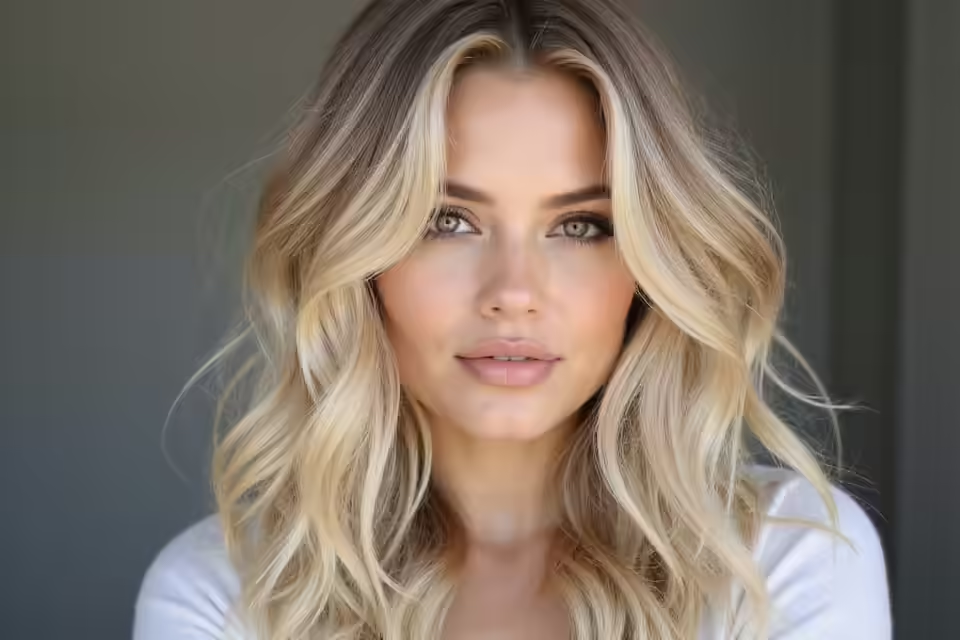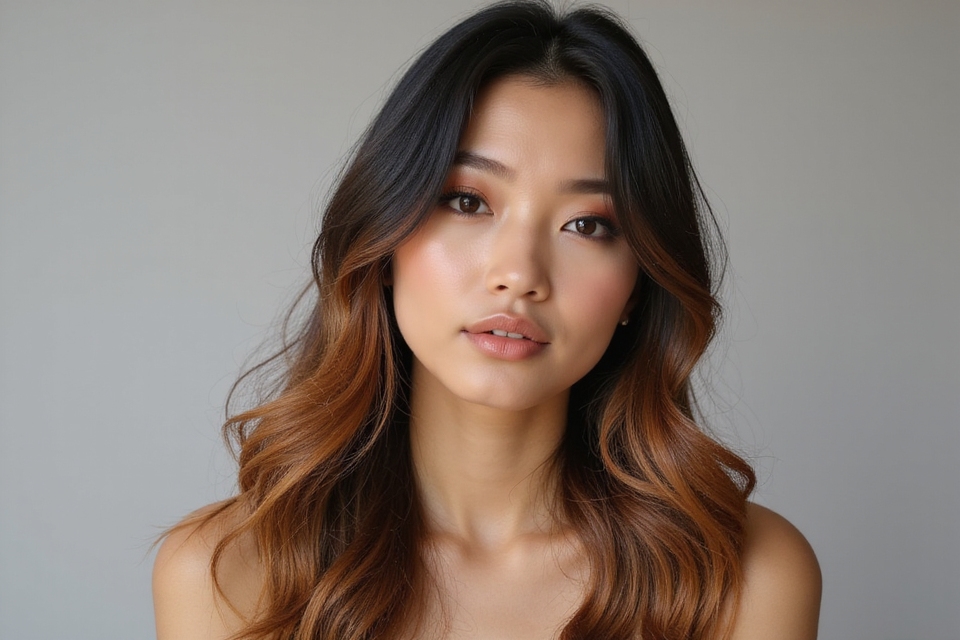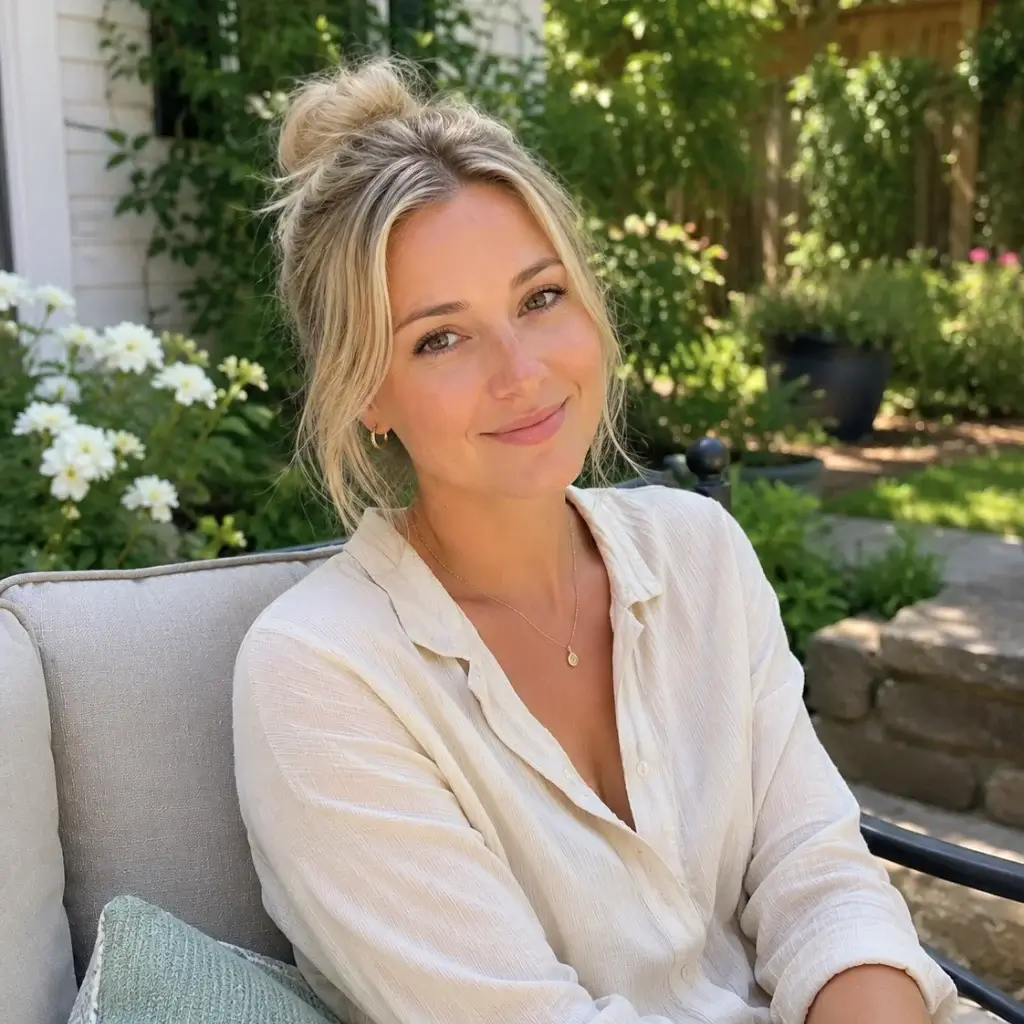

A client came in last summer with a folder of golden-blonde photos and a fear of harsh roots. We did a blended honey balayage, and six weeks later she texted that it still looked fresh, no obvious line, no panic about a touch-up.
That soft grow-out is the whole point of blended honey blonde. It’s warm, golden, and dimensional, painted in so it melts into your base with no hard line. Here’s how it’s done, who it flatters, what it really costs to keep, and the questions to ask before you sit in the chair.
Blended Honey Blonde at a Glance
| What you get | How | Upkeep |
|---|---|---|
| Warm, golden dimension | Hand-painted balayage and lowlights | Gloss every 6 to 8 weeks |
| Soft, line-free grow-out | Color blended down from the roots | Full color every 3 to 4 months |
| A sun-kissed, natural look | Honey tones tuned to your base | Purple shampoo sparingly |
Honey Blonde Sunshine

Honey blonde is the warm, golden middle of the blonde family, neither brassy gold nor cool ash, but a soft amber that bridges blonde and brown that looks like sunlight caught in the hair. Blended in, not streaked, it gives that lit-from-within warmth without a single hard highlight line.
- A warm, golden blonde with a soft amber glow.
- Flatters warm, neutral, and many deep skin tones.
- Looks natural because it’s painted in, never striped on.
Why Blended Blonde Works

The word blended is doing the heavy lifting here. Traditional foil highlights start high near the root and create a line you have to chase every few weeks, while a blended approach feathers the color down so there’s no obvious regrowth point.
That’s why blended honey blonde has taken over: it gives you all the warmth and brightness of blonde with a fraction of the upkeep panic. The color simply softens as it grows, which buys you months between full appointments.
How a blended honey balayage comes together.
1Consult
Match the honey undertone to your skin and assess your hair’s health.
2Paint
Lightener is hand-painted, graduating from a deeper root to brighter ends.
3Tone
A honey gloss sets the warmth and adds the shine that makes it glow.
The Perfect Honey Blonde

The perfect honey is the one tuned to your skin and your base, not a shade off a chart. Too gold and it tips brassy; too pale and it loses the cozy warmth that makes honey honey. The sweet spot is a rich golden amber that flatters your complexion.
Tuning Honey to Your Skin
When a client lands in my chair wanting honey blonde, the first thing I check is her natural level and her skin’s warmth, because a honey that glows on warm skin can fall sallow on cool skin. A small tweak in the colorist’s formula, the exact balance of formulas and tones, is what makes it yours.
Worn at the right depth, honey blonde looks expensive and sun-touched, never obviously dyed. The goal is hair that looks like you spent the summer outside in the best possible light.
Perfectly Blended Highlights
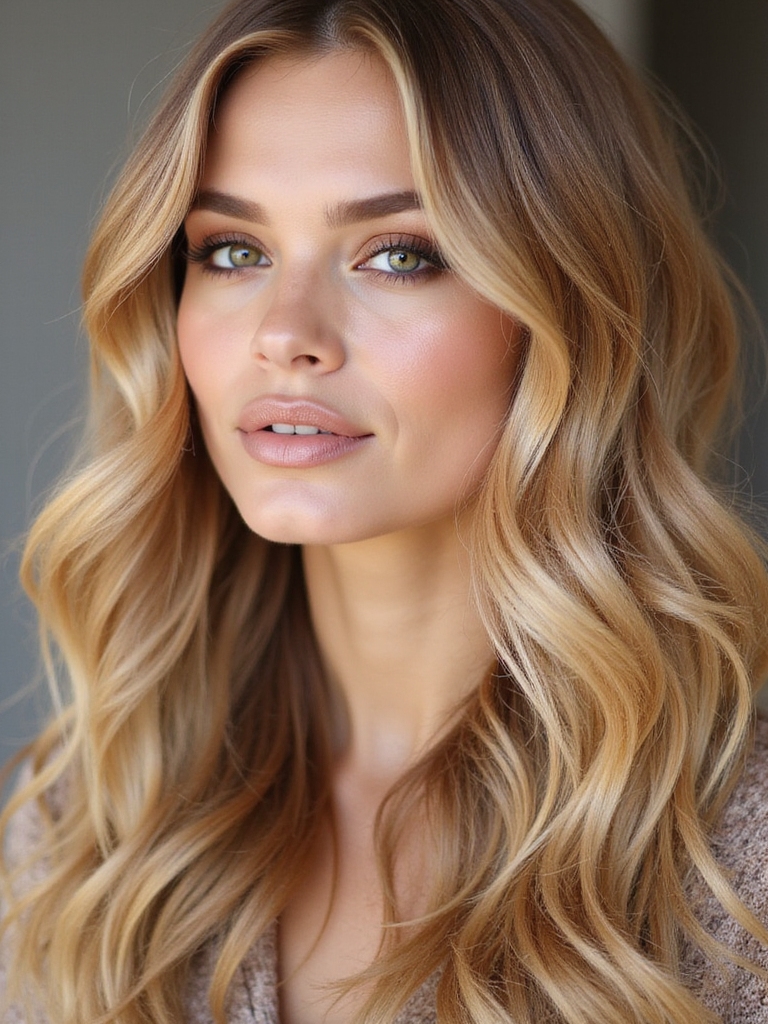
Highlights still have a place in honey blonde, as long as they’re softened. The modern version uses a teasylights or melted technique so the bright pieces blur softly into the base, with no sharp line at the root.
Highlights Without the Line
Placed around the face and through the mid-lengths, these soft highlights add brightness in the very spots the sun would lift your hair. The result is dimension that catches the light without looking striped.
This is the route for anyone who wants more brightness than balayage alone gives, but still hates an obvious grow-out. The blend is everything, so it’s worth seeing a colorist who specializes in soft, blended color.
🅰️Balayage
Soft, hand-painted, grows out with no line; the lowest-maintenance honey blonde.
🅱️Soft highlights
More overall brightness with a blended root; a touch more upkeep than balayage.
Blended Balayage Techniques

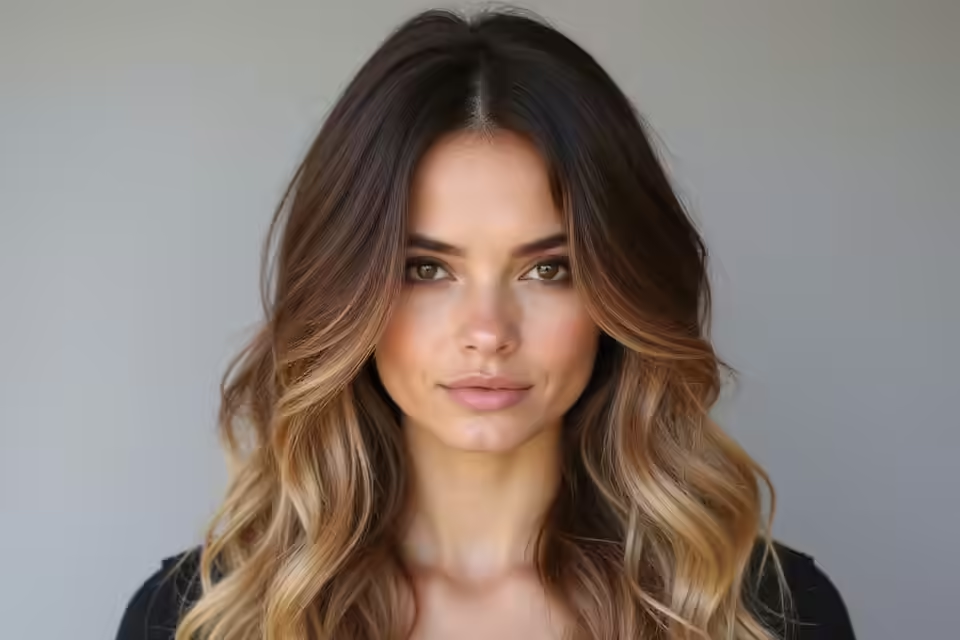
Balayage, French for sweeping, is the hand-painting technique behind most blended honey blonde. The colorist paints lightener freehand onto the surface of the hair, concentrating it toward the ends so the color graduates softly from a deeper root to brighter lengths.
Balayage Versus Foilyage
Because it’s painted on freehand, not foiled from the root, balayage grows out with no harsh line, which is the whole reason it suits honey blonde so well. The placement is custom to your hair, so it moves and falls naturally.
A related method, foilyage, wraps the painted pieces in foil for extra lift, useful on darker or stubborn hair. Ask your colorist which suits your base, since the technique decides how bright you can go in one sitting.
Radiant Honey Balayage

A honey balayage is the signature look here: warm golden pieces swept through a slightly deeper base for a glowing, dimensional finish. It’s the lowest-upkeep way to wear honey blonde, since the painted graduation softens gently over months.
- Warm honey pieces painted through a deeper root for dimension.
- Grows out with no obvious line, so upkeep is minimal.
- A full balayage runs about $150 to $300 depending on length.
Which honey blonde fits you?
1You want low upkeep
A rooted honey balayage grows out softly for months between visits.
2You want maximum brightness
Blended highlights with a shadow root keep it bright but still grow-out-friendly.
Maintaining Your Honey Blonde

Honey blonde fades warm and brassy over time as the cool and neutral pigments wash out, so toning is the key to keeping it true. A toning gloss at the salon resets the warmth and adds shine, and it’s gentler and cheaper than a full color.
- Refresh with a toning gloss roughly every two months, around $40 to $80.
- Use a purple or blue shampoo sparingly to control brass at home.
- Wash in cooler water and less often to slow the fade.
Year-Round Maintenance

Honey blonde shifts a little with the seasons, and adjusting your upkeep keeps it flattering all year. In summer, sun and chlorine push it lighter and brassier, so toning matters more; in winter, a slightly deeper, warmer gloss keeps it from looking flat against pale skin.
- Summer: tone more often and protect against sun and chlorine.
- Winter: a warmer gloss keeps honey from looking washed out.
- Book a refresh at each season change to keep it current.
👍Why blended honey wins
- +Soft grow-out with no harsh root line.
- +Warm tones flatter most skin, including deep skin.
- +Months between full appointments.
👎What to weigh
- –Going light from dark takes multiple sessions.
- –Needs toning to fight brass over time.
- –Lightened hair requires bond care and masks.
Honey Blonde Styling

How you style honey blonde decides how much of that dimension shows. Loose waves and curls bend the light across the painted pieces, making the color look richer and more multi-tonal, while pin-straight hair shows the tones in clean ribbons.
Heat is the trade-off, since color-treated hair needs protection. Always use a heat protectant and keep tools at a moderate temperature, since fried honey blonde looks dull no matter how good the color.
- Loose waves show off the dimension best.
- Always use a heat protectant on color-treated hair.
- A shine spray makes the golden tones glow.
Honey Color Undertones

Honey blonde isn’t one undertone, and picking the right one is what makes it flatter. A golden honey leans warm and sunny, a beige-honey, close to a milk-tea tone, cools it toward neutral, and a caramel-honey deepens it for more contrast on darker bases.
Your skin decides the winner. Warm and olive skin glows in golden and caramel honey, while neutral skin can wear a beige-honey beautifully. Matching the undertone to your complexion keeps the color from looking off against your face.
This is the conversation worth having at your consultation, since undertone is the difference between a honey that lights you up and one that just sits there. Bring photos that show the warmth you want, not just the brightness.
Natural Sun-Kissed Roots

The secret to a grown-in honey blonde is the root melt. A soft root melt or shadow root keeps the base slightly deeper and blurs it down into the honey, echoing how hair naturally darkens at the scalp and brightens toward the ends.
That deeper root is what lets the color grow out for months without an obvious line, since there’s no stark contrast between new growth and color. It also adds depth, keeping honey blonde from looking flat or one-note.
Lowlights for Depth

If your honey blonde ever looks flat or too uniform, lowlights are the fix. Weaving in a few slightly deeper, warm pieces adds the shadow that makes the brighter honey pop, giving the color real dimension instead of one solid tone.
When You Need Lowlights
Lowlights are especially useful if you’ve been blonde a while and lost depth, or if your hair is fine and needs the illusion of thickness that contrast creates. A few warm caramel lowlights do the trick.
They also make grow-out even softer, since the added depth blends with your natural roots. It’s the quiet step that takes honey blonde from nice to expensive-looking.
Blonde Haircare Essentials

Lightened honey blonde is more porous and prone to dryness, so the right products keep it healthy enough to stay shiny. The essentials are a sulfate-free, color-safe wash, a weekly mask, and a bond-building treatment that repairs the lightening.
- Choose a sulfate-free, color-safe shampoo so the tone holds.
- Use a weekly deep mask and a bond treatment for strength.
- Heat protection every time; lightened hair fries easily.
Honey Blonde Inspiration
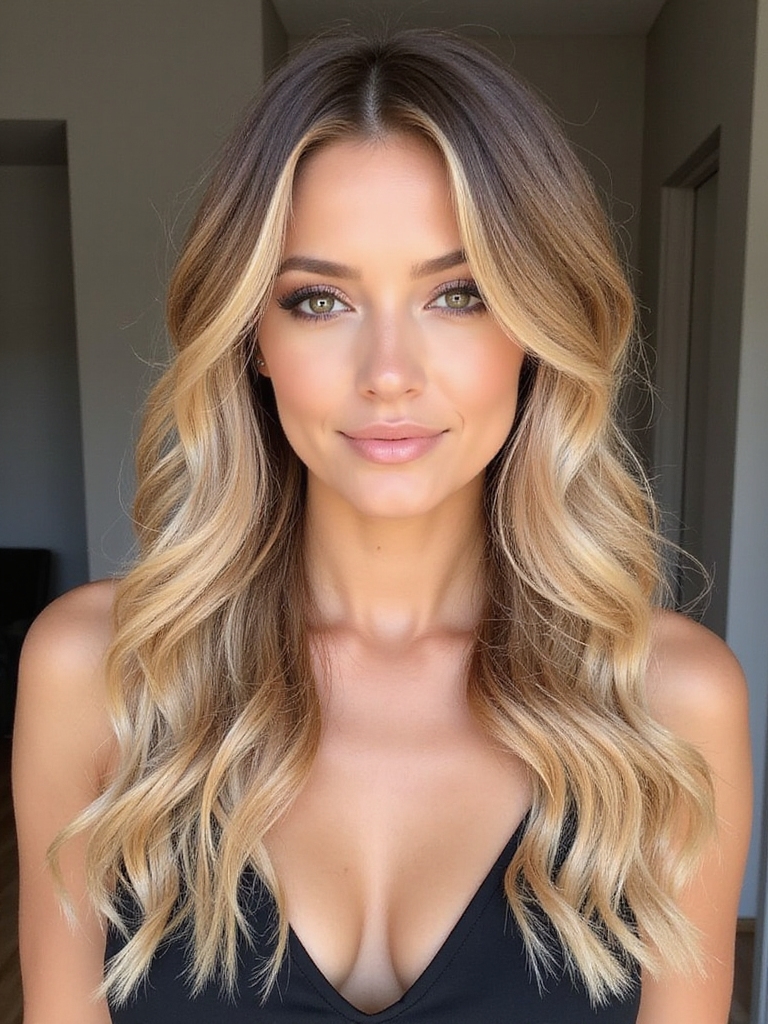
Red carpets and magazine shoots are full of honey blonde, and they’re a great place to gather ideas, as long as you borrow the tone rather than copy it exactly. The most-photographed honey blondes tend to be soft, rooted, and dimensional, which is exactly the blended look.
When you save a photo for your colorist, look at the warmth and the placement, not just how blonde it is. Bring two or three references so your colorist can see the through-line in what you’re drawn to and adapt it to your base.
- Borrow the tone and placement, not one exact head of hair.
- Note the root depth as much as the brightness.
- Bring a few references so the colorist sees the pattern.
Sun-Kissed Benefits
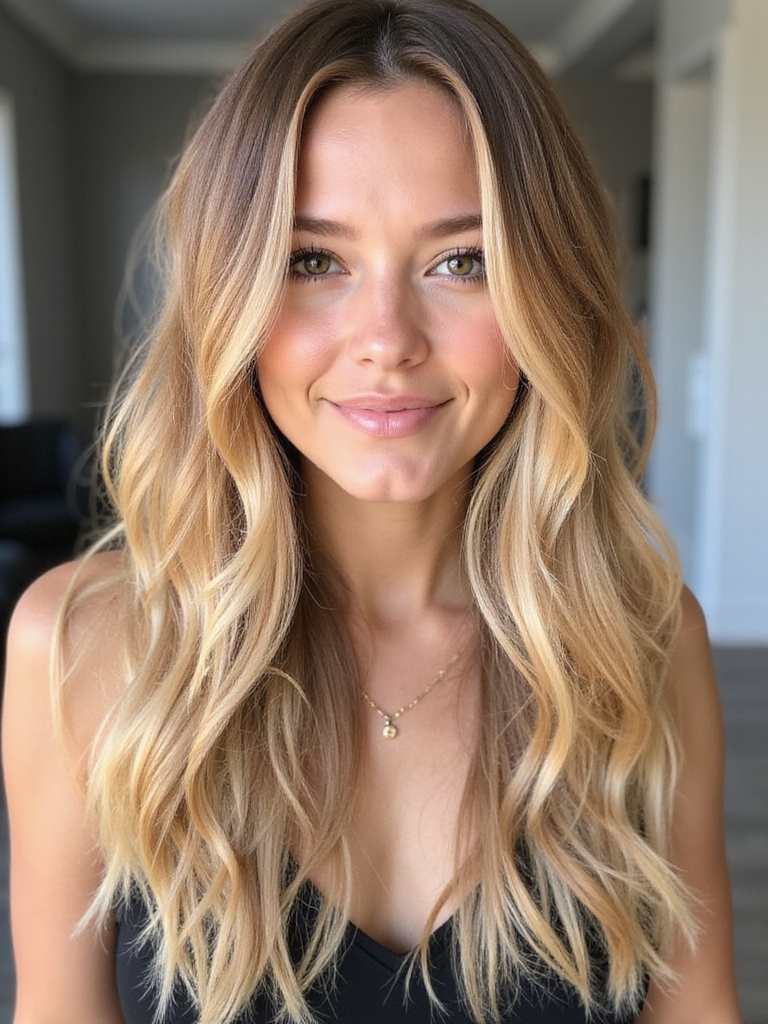
Beyond looking pretty, a warm honey blonde does real favors for the face. Warm tones around the face brighten the complexion and can make skin look healthier and more rested, which is part of why honey is so universally loved.
Honey on Deep Skin
It’s also one of the most flattering blondes for warm and deep skin, and our guide to color for deeper skin goes deeper; cool, icy blondes can look stark there. The golden warmth harmonizes with the complexion rather than fighting it.
And because it’s blended and rooted, it’s a low-stress blonde, no frantic root touch-ups, no harsh line. That ease is a benefit in itself for anyone who wants blonde without the maintenance treadmill.
Avoiding Bleach Disasters

Going honey blonde from a darker base means lightening, and lightening done badly is how hair breaks. The biggest mistake is rushing the lift, especially at home, which stresses the hair past its limit and leads to breakage and brassiness.
Why to Trust the Process
A good colorist lifts gradually, sometimes over more than one session, and uses bond protectors to keep the hair intact. Trust the timeline, since rushing the lift is what causes the disasters.
If your hair is already compromised, a smart colorist may steer you toward a deeper honey or more lowlights rather than maximum lift, protecting the health of your hair. That honesty is worth more than an extra shade of brightness.
Dark to Blonde Transition

Going from dark hair to honey blonde is a journey, not a single appointment, and knowing that upfront saves disappointment. Dark hair holds warm pigment that has to be lifted out carefully, so reaching a clean honey often takes more than one session spaced weeks apart.
- Expect more than one session to go from dark to honey safely.
- Honey is a forgiving target, since its warmth works with dark hair’s natural pigment.
- Budget for the lift plus toning, and the upkeep that follows.
Transformation Expert Tips
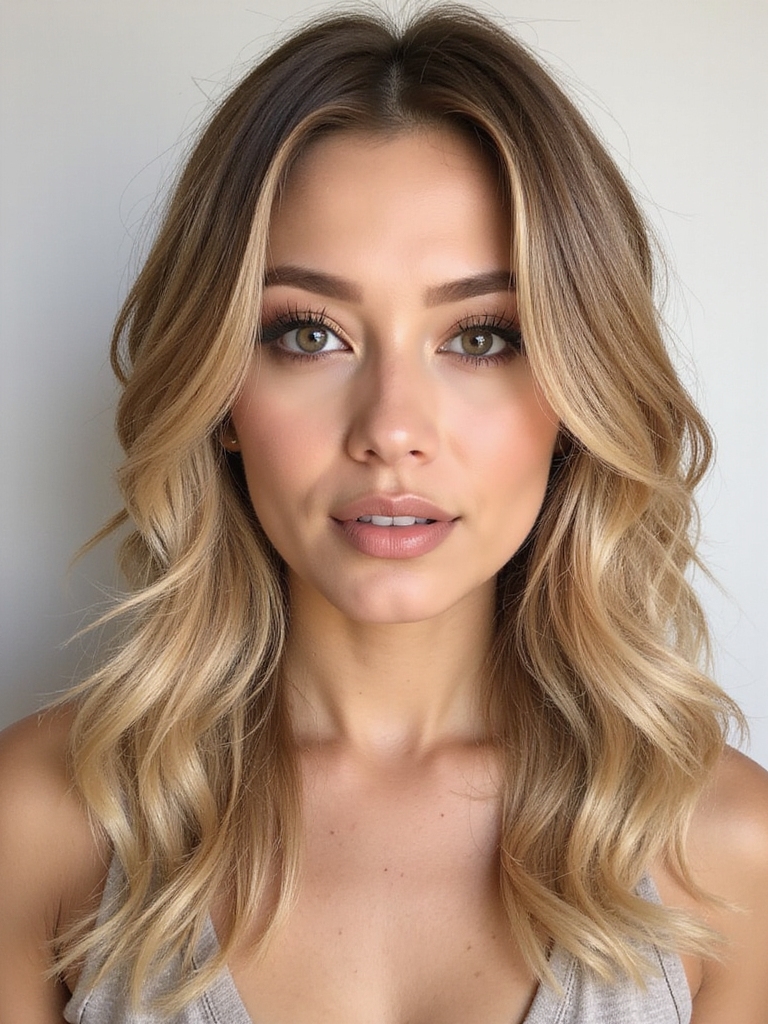
A few pro habits make a honey blonde transformation go smoothly. First, book a consultation before the appointment so your colorist can assess your hair’s health and set realistic expectations about how many sessions it’ll take.
Second, prep your hair in the weeks before with masks and bond treatments, since healthy hair lifts more evenly and breaks less. Strong hair is the foundation of any good blonde.
Third, be honest about your upkeep budget and lifestyle. The most beautiful honey blonde is the one you can actually maintain, so a colorist who designs for your real life gives you color that still looks good in month three.
How Light Changes Blonde
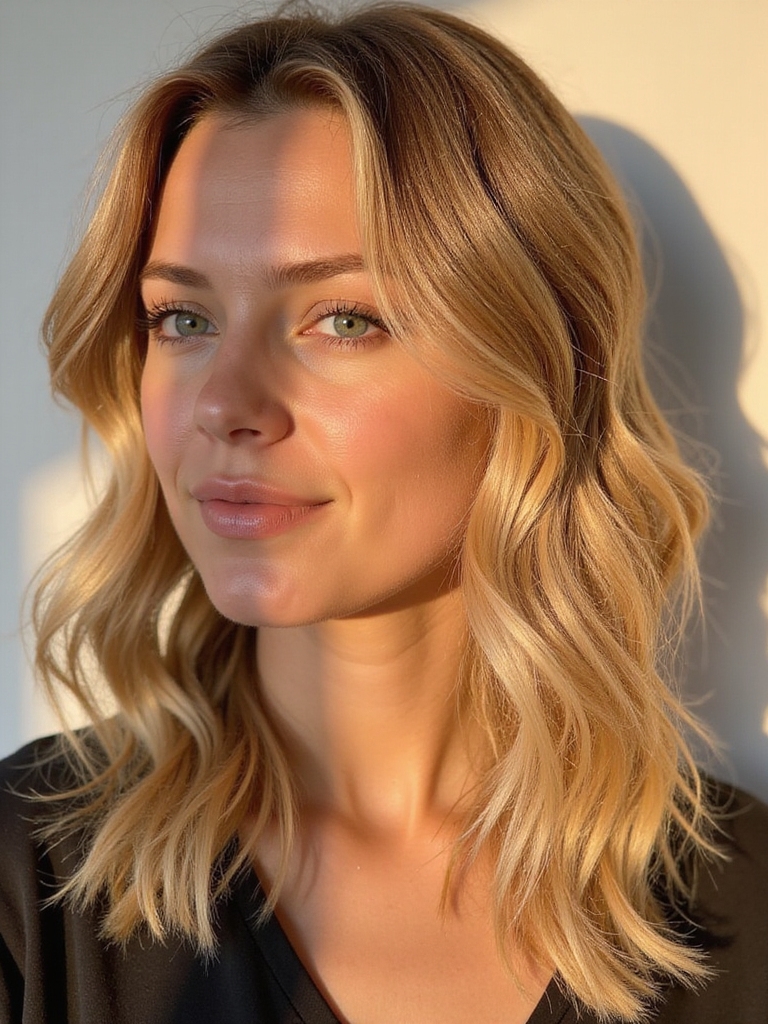
Honey blonde looks different under different light, and knowing that helps you judge it. In warm sunlight it glows golden and bright; under cool indoor lighting it can look more neutral or even slightly ashy, which throws people who only saw it in the salon.
This is why a shade can look perfect at your appointment and different at home. It’s not a mistake, just the light, so check your color in a few settings before deciding it needs adjusting.
- Honey glows warmest in natural sunlight.
- Cool indoor light can mute the gold, which is normal.
- Judge a new color across a few lighting settings.
Unique Color Accents

Once you have a blended honey base, small accents make it your own. A brighter money piece around the face, a few mushroom-toned ribbons underneath, or a soft peek of a deeper tone all personalize the color without changing the whole look.
- A brighter face-framing money piece lifts the complexion.
- Hidden caramel or copper accents add a personal pop.
- Keep accents subtle so the blended base stays the star.
Questions to Ask Your Colorist

The right questions at your consultation get you the honey blonde in your head. Ask how many sessions it’ll take from your current color, what the realistic upkeep and cost will be, and which technique, balayage, foilyage, or soft highlights, suits your base best.
Also ask what undertone they’re aiming for and to see photos of their own blonde work, not just inspiration pictures. A colorist whose portfolio shows soft, dimensional honey blonde is the one to trust with yours.
- How many sessions, and what will the total cost be?
- What undertone and root depth are you aiming for?
- Can I see your own honey blonde work, not just inspo photos?
Styling Tips for Everyday Wear
Day to day, blended honey blonde is refreshingly low-effort, which is half its appeal. The color does the work, so you can air-dry into soft waves and let the dimension speak for itself most mornings. A leave-in with heat protection and a little shine serum on the ends is the whole everyday routine.
When you want it dressed up, a quick wave with a wand and a shine spray makes the golden tones glow, and a deep side part shows off the face-framing brightness. I tell clients the secret to honey blonde looking expensive is healthy, shiny hair, far more than any hot tool, so the weekly mask matters more than any hot tool. Keep the ends hydrated and the color does the rest.
Soft, Golden, and Yours
Blended honey blonde earns its popularity honestly: it gives you warm, sun-kissed dimension with none of the harsh-root stress of old-school highlights. Painted in and rooted, it grows out soft, flatters warm and deep skin beautifully, and looks expensive as long as you keep the hair healthy and the tone fresh.
If you’ve wanted blonde but feared the upkeep, this is the way in. Bring your warm-toned references, find a colorist who paints soft and dimensional, and ask the right questions, then enjoy a blonde that still looks good months down the line.
Keep Reading