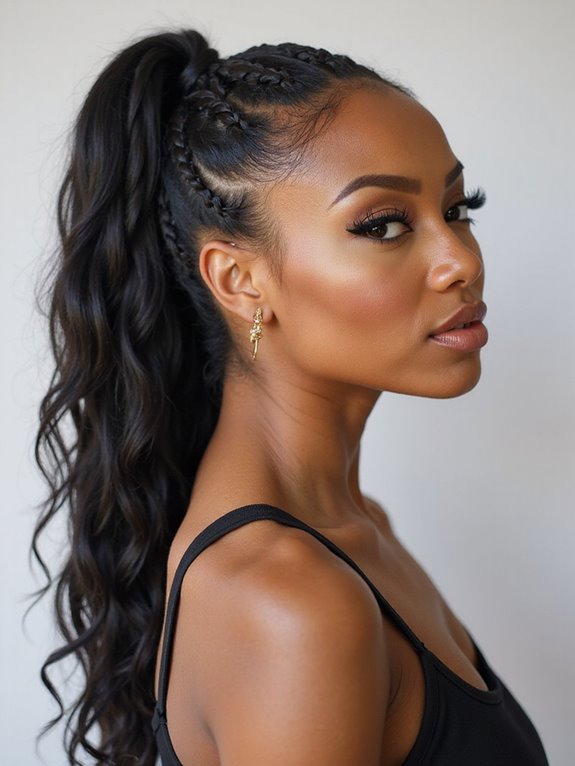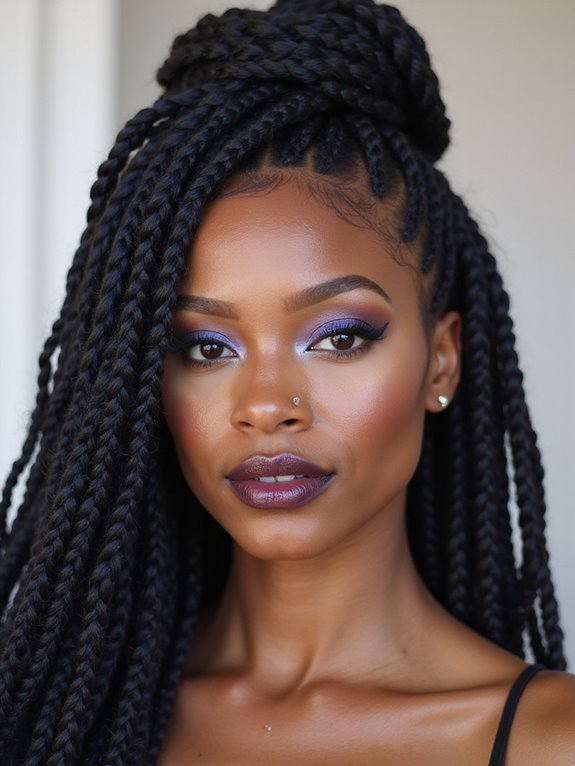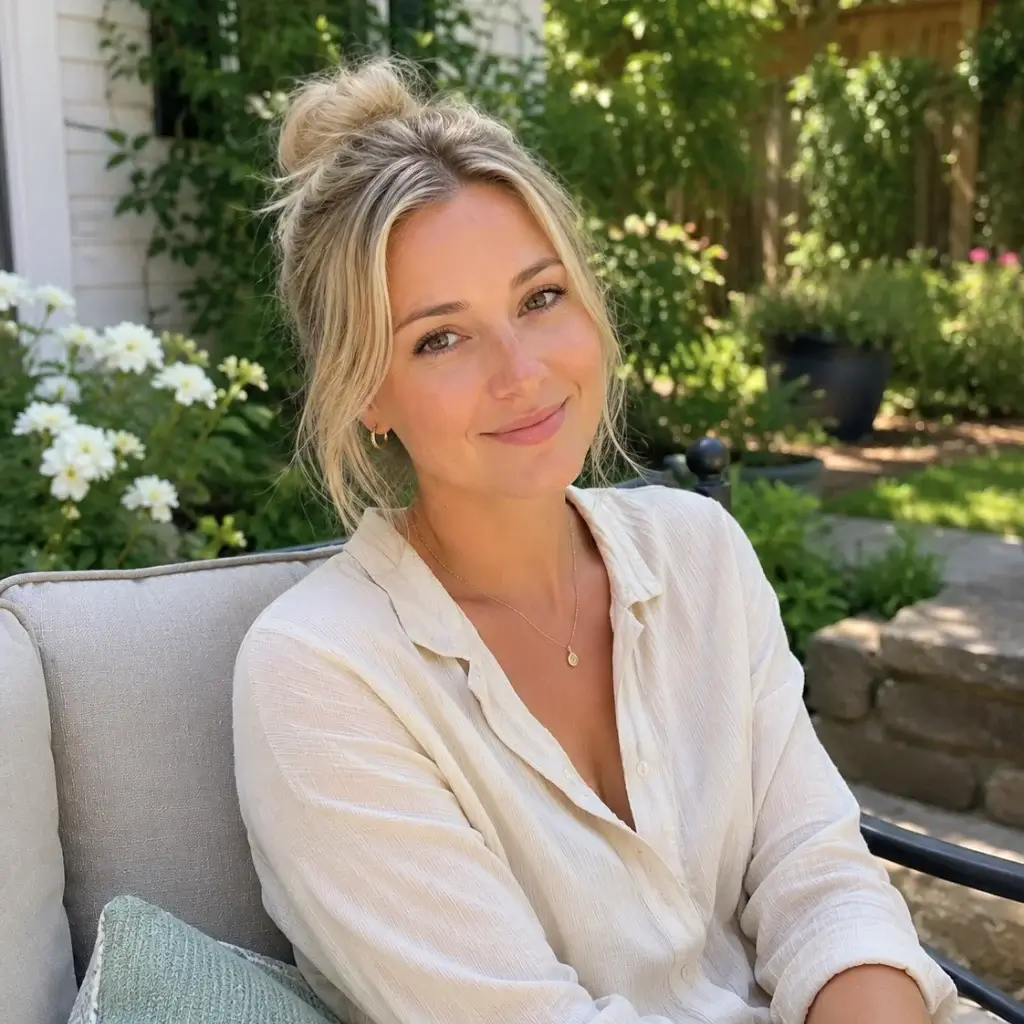

Halfway through a spin class, you can always spot the people who braided their hair that morning. Everyone else is shoving flyaways out of their eyes, and they are still pedaling, hair perfectly in place. That is the whole case for a braided sporty style: it holds when a plain pony gives up.
These nineteen athletic braids are built to survive a real workout and still look cute walking out of the gym, from boxer braids to braided buns. Each comes with how to do it and the grip tricks that keep it from sliding loose by your second set.
Why Braids Win at the Gym
- Braids beat plain ponies for hold, since the woven structure grips itself and stays put when you sweat and move.
- Two braids beat one for security, spreading the hold across your head so nothing shifts mid-workout.
- Start on second-day hair, which grips far better than freshly washed strands for a braid that lasts.
- Keep it comfortable, not tight, since a sky-high, painfully snug braid strains your edges every time you wear it.
A Secure Workout Braid
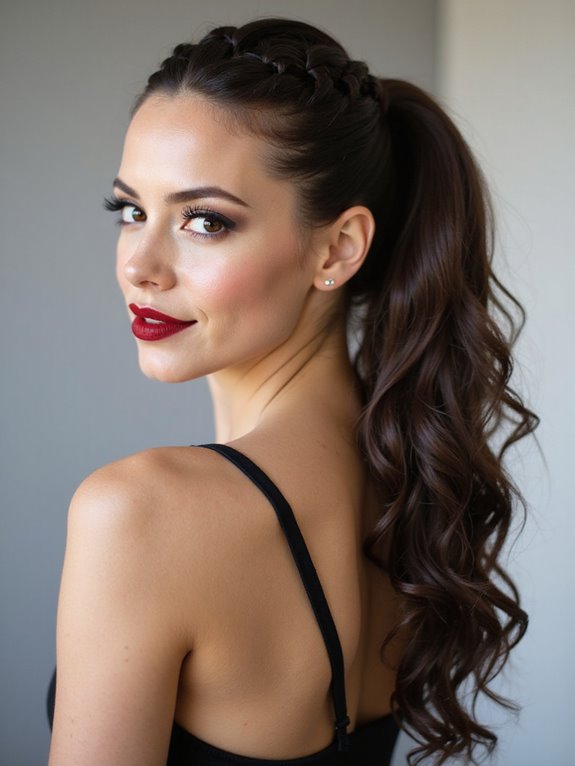
The simplest sporty braid is a single secure plait down the back, and it is the workhorse of gym hair: fast, comfortable, and far less likely to whip around than a loose ponytail. A French or Dutch braid into the length keeps even the front sections locked down. To make it last:
- Braid from the crown so the front cannot escape into your face
- Tie the end with a snag-free elastic so it does not slip
- Work on day-two hair for grip that holds through sweat
Balanced Sleek Double Braids

Two braids running parallel down the head, often called boxer braids, are the gold standard of sporty hair, because splitting your hair in half balances the hold across both sides so nothing pulls or slips. They stay put through the most intense session.
Why two braids beat one
They are also seriously cute, which is why they have jumped from the field to street style. The two sleek braids frame the face and keep every strand controlled from warm-up to cool-down.
Part down the center, Dutch braid each side from the hairline back, and tie off at the nape. Pull the braids a touch wider afterward if you want them fuller and softer rather than tight and severe.
💡Stylist Tip
The single biggest fix for a braid that slides loose mid-workout is to start on second-day hair. Freshly washed hair is too slippery to hold; a day of natural texture, or a quick mist of dry shampoo, gives the braid the grip it needs to survive a sweaty session.
A Sleek Dutch Braid for Workouts
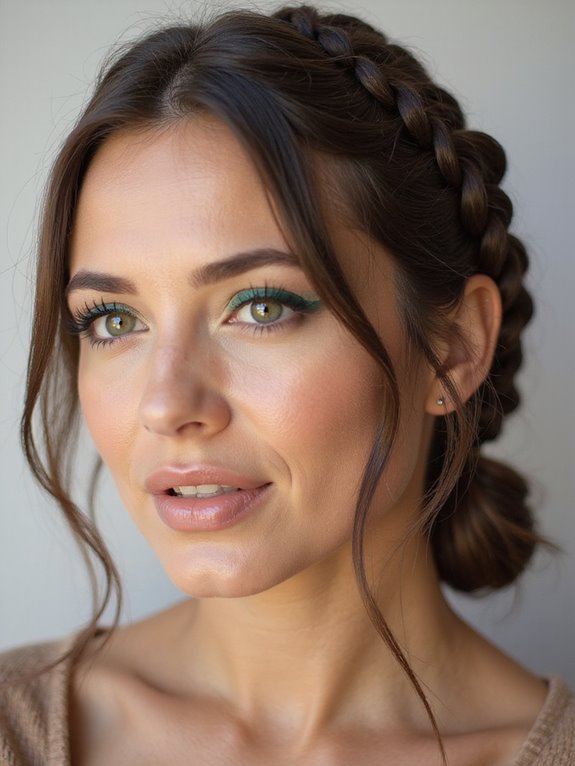
A single Dutch braid is the sporty upgrade to a basic plait, since crossing the strands under makes the braid sit raised and grip the scalp more securely. It gathers every loose piece as it travels, so there is nothing left to fall into your eyes.
It is sleek, sturdy, and a little bolder than a French braid thanks to that raised, three-dimensional line down the back. For high-impact workouts, it is among the most reliable single braids you can wear.
Braid from your hairline straight back, keeping the tension even and comfortable, and tie off where it meets the nape or carry it into the length. A few flyaways smoothed with a little gel keep it looking tidy.
Braids That Spread Tension Evenly

The secret to a sporty braid that stays comfortable for a long session is even tension, spreading the hold across many small sections rather than one tight gather. This is where cornrows and multi-braid styles shine, since they distribute the pull so no single spot takes the strain. A few ways to spread it:
- Several cornrows instead of one tight ponytail
- Two or more braids rather than a single snug plait
- A comfortable, even base at the hairline, never painfully tight
Heads-Up
It is tempting to gather a sporty braid sky-high and scalp-tight for security, but that constant tension at the hairline is the leading cause of thinning edges over time. Keep the base comfortable, vary where you place it, and loosen the style as soon as you are done.
Secure, Durable Protective Braids
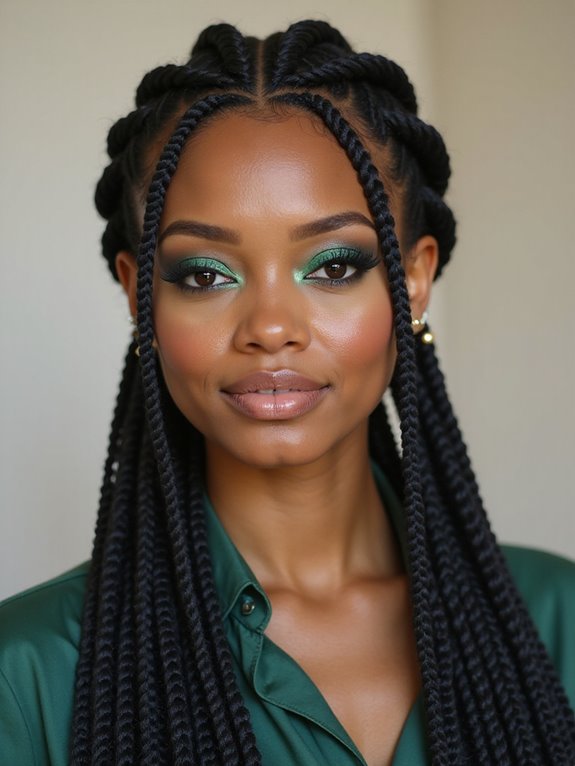
If you train most days, a protective braided style you install once and wear for weeks beats redoing your hair every morning. Cornrows, box braids, or knotless braids hold through workout after workout while protecting your hair from constant manipulation.
They turn gym hair from a daily chore into a non-issue. A few durable options:
- Cornrows that lie flat and survive weeks of training, see cornrow hairstyles
- Box or knotless braids you can gather up any way you like
- A gathered braided pony restyled from an existing install
Classic Boxer Braids
Boxer braids, two tight Dutch braids running straight back, earned their name in the ring for one reason: they do not budge. They are the most secure sporty style there is, which is why fighters, players, and gym regulars all swear by them.
The double Dutch structure keeps every strand locked from the hairline to the ends, so you can flip, sprint, or spar without a single piece coming loose. Keep them comfortable rather than scalp-tight, and they look just as sharp at brunch afterward as they did at the gym.
A Braided High Ponytail
Feeding a braid into a high ponytail gives you the swing of a pony with the security of a braid, the front cornrowed or French braided so it cannot fall loose, the tail gathered high and out of the way. It is sporty, lifted, and keeps your neck cool.
A few ways to keep it secure:
- Braid the front flat so nothing escapes around your face
- Gather high with a strong, snag-free band
- Loosen it after, so the lifted tension does not sit on your edges all day
A Braided Bun for the Gym
When you want your hair completely out of the way, a braided bun is the answer, the length braided first so it cannot tangle, then coiled into a bun and pinned tight. It stays put through burpees and downward dogs alike.
Braiding before you bun is the trick most people skip, and it makes all the difference, the plait keeps the bun smooth and stops loose ends from working free as you move. See braided bun for shapes that work off the mat too.
Cornrows Into a Bun
Cornrowing the front into a low or high bun is the ultimate set-it-and-forget-it sporty style, flat braids that grip the scalp feeding into a secure, tucked bun. Nothing moves, nothing frizzes, and it holds for days, not just one session.
It is a favorite for anyone with an active week, since the cornrowed base means there is nothing to redo between workouts. Gather the braids into a bun, pin it low for lying-down workouts or high for everything else, and you are set.
French Braid Pigtails
Two French braids into pigtails are sporty, secure, and undeniably cute, splitting the hair in half and braiding each side from the front into a low or high pigtail. They keep everything controlled while reading playful rather than serious.
They suit almost any workout. A few quick notes:
- Part down the center and French braid each side
- Tie low for lying-down workouts, high for running and jumping
- Pull them a little wider for a softer, fuller finish
A Halo Braid for Working Out
Wrapping a braid around the head into a halo is a surprisingly practical sporty style, since it keeps every strand off your neck and out of your face with nothing hanging down to bother you. It is the coolest option for hot yoga or a summer run.
The braid sits flat against the head, so there is no pony or bun to lie on during floor work either. Braid a section around the crown, pin the end out of sight, and you have a comfortable, off-the-neck style that looks pretty enough to keep on after.
A Braided Headband to Catch Sweat
A braided headband, a single braid running across the front of the head from one ear to the other, does double duty: it keeps your hairline pieces back and helps catch sweat before it runs into your eyes. Pair it with a low pony or bun for the rest.
It is the perfect fix for shorter front layers or grown-out bangs that a regular braid cannot catch. Plait a small piece near one temple, carry it over the front of your head, and anchor it just behind the far ear, then handle the rest of your length however you like.
A Fishtail Pony for the Gym
A fishtail braided into a high or mid ponytail gives you a secure, intricate-looking gym style that holds better than a plain tail. Gathering the hair into a pony first and fishtailing the length keeps everything tight and tangle-free through any workout.
It is the sporty braid for when you want a little more polish:
- Gather a secure pony before you start the fishtail
- Cross small pieces from each side for the woven texture
- Tie off snug so it holds through high-impact moves, see braided ponytail hairstyles
Braided Space Buns
For a playful, secure look, braided space buns split the hair into two, braid each half, and coil them into buns high on the head. The braiding keeps the buns smooth and stops them unraveling, while the high placement keeps them clear of your neck and your workout.
They are fun, sporty, and truly practical for everything from dance class to a festival workout. Pin each braided bun firmly, leave them a little undone for personality, and they hold their shape through the most energetic session.
What to Expect From a Sporty Braid
A good sporty braid takes five to ten minutes once you know it, needs nothing but a comb and a couple of snag-free elastics, and holds for a single intense session or, if it is a cornrowed or protective style, for weeks of training. The more sections you braid, the more secure and the more comfortable the hold, which is why double braids and cornrows outperform a single tight ponytail.
The one thing to watch is tension. Sporty styles tempt you to gather high and tight for maximum security, but that constant pull at the hairline is the leading cause of thinning edges over time. Keep the base comfortable, loosen lifted styles the moment your workout ends, and wrap your hair at night, and your braids will stay both sweat-proof and kind to your edges.
Sporty Braids, Answered
?What braid stays in best during a workout?
Two Dutch braids, or boxer braids, are the most secure. Splitting the hair in half spreads the hold evenly so nothing slips, and the under-cross Dutch technique grips the scalp better than a French braid or a plain ponytail.
?How do I keep my braid from slipping when I sweat?
Start on second-day hair, which grips better than clean hair, or add a little dry shampoo or texture spray for hold. Braid from the crown so the front cannot escape, and tie off with a snag-free elastic.
?Are tight sporty ponytails bad for your hair?
Worn high and tight every day, yes. Constant tension at the hairline is the leading cause of thinning edges. Keep the gather comfortable, choose multi-braid styles that spread the pull, and loosen the style after your workout.
?Can I braid short hair for the gym?
Yes. Cornrows, a braided headband, or two small French braids all work on shorter lengths and catch the front pieces a ponytail misses. Add a few pins to secure any pieces too short to reach the main braid.
?What is the quickest sporty braid?
A single Dutch or French braid from the crown takes about five minutes and locks down the front. For even more security with barely any extra time, split into two and do double braids instead.
Braids That Keep Up With You
The right braided sporty style does what a plain ponytail never quite manages: it holds through the whole workout and still looks cute when you walk out. From boxer braids to a quick braided bun, the trick is always the same, more sections for more security, and a comfortable base for happy edges.
So next time you are heading to the gym, braid before you go and skip the mid-workout hair battle entirely. Pick the one that fits your training, the classic boxer braids for a hard session or a quick braided bun for the mat, and you can stop fighting your hair and focus on the actual workout.
Where to Next