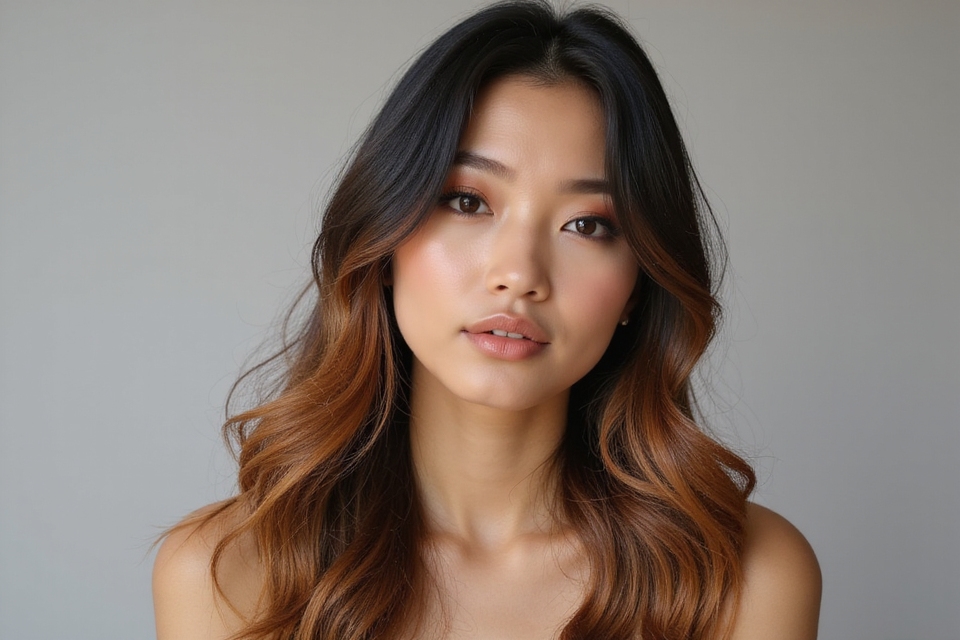

People hear cub cut and assume it is just another name for a shag, but that sells it short. The cub cut is softer and rounder than a shag, a grown-up bob-meets-shag hybrid with gently stacked layers, a rounded perimeter, and just enough texture to move. The name says it all: soft, fuzzy, and a little playful, like a bear cub.
What has made it explode is the grow-out. A cub cut is designed to soften gracefully as it grows rather than turning into an awkward mess, so it stays flattering for months between trims. This guide runs the variations, who each suits, how to style every hair texture, and how to keep yours sharp. If you love the layered end of it, our choppy layered haircuts guide goes deeper.
The Cub Cut, Quickly
What is a cub cut? A soft, rounded bob-and-shag hybrid with stacked layers and a fuzzy, textured finish. It sits between chin and shoulder and looks softer and less spiky than a true shag.
Why is it so popular? The grow-out. It is cut to soften gracefully instead of going shapeless, so it stays flattering for months and suits people who hate frequent trims.
Will it suit my hair? Almost certainly. It adapts to straight, wavy, curly, and coily hair, and to fine or thick density, by adjusting the layers and length.
A Playful Bob Evolution

Think of the cub cut as a bob that loosened up. Where a classic bob is precise and structured, the cub adds soft, stacked layers and a rounded, slightly undone finish, so it keeps the bob’s polish but loses the stiffness. It is the bob for people who want movement, not a helmet.
That evolution is exactly why it suits modern life. It looks pulled together with almost no styling, which is the whole appeal for anyone short on time.
- Keeps a bob’s shape but adds soft, moving layers
- Rounded perimeter with a soft, blended edge
- Looks polished even air-dried
A Low-Maintenance Favorite

The cub cut earns its fan base on ease. Because the layers are soft and the shape is forgiving, it air-dries beautifully and needs almost no daily styling, which is rare for a cut this flattering. You can scrunch it, rough-dry it, or leave it. It still looks intentional.
Built for Busy People
It also stretches between salon trips, since it is built to grow out softly and hold its look for weeks. That makes it gentle on your schedule and your budget.
This is the cut I suggest first to clients who want to look done without owning a single hot tool. It rewards the wash-and-go crowd more than almost any other shape.
Not sure which cub cut fits you? Match it to your routine:
1I never want to style my hair
A longer, softer cub that air-dries and grows out slowest
2I love a bit of edge
An asymmetric or heavily textured cub
3I have curls or coils
A dry-cut curly cub shaped to your pattern
A Timeless, Wearable Shape

Trendy cuts can date fast, but the cub sits on a classic foundation. At heart it is a layered mid-length, a shape that has flattered people for decades, dressed up with current texture. That blend of familiar and fresh is why it will still look right in a few years.
It also flatters an unusually wide range of faces and ages, since the soft layers can be tailored to frame any features. Few cuts are this universally wearable.
- Built on a classic layered mid-length foundation
- Soft layers tailor to any face shape or age
- Current enough to feel fresh, classic enough to last
Textured Cub Cut

Pushing the texture further gives you the piecey, worn-in version that dominates the feeds. Heavier point-cutting through the ends and layers creates separation and grit, so the cut looks tousled and undone even when you have done nothing. Of all the versions, this one feels the most current. A texture spray is your one essential here.
- Ask for deeper point-cutting for visible separation
- A texture spray brings out the piecey, gritty finish
- Best on hair that is not too fine, so the pieces hold
A simple wash-and-go routine for the cub cut:
1Prep
Apply a lightweight mousse or curl cream to damp hair at the roots and mid-lengths.
2Dry
Rough-dry upside down for volume, or air-dry and scrunch for texture.
3Finish
Break up the layers with your fingers and a little texture spray; add shine on the ends.
A Cut That Builds Volume

If flat hair is your battle, the cub cut is secretly a volume trick. The stacked layers lift the hair off the head, especially at the crown, so even fine hair looks fuller and bouncier than it does at one blunt length. The shape does the work that mousse usually has to.
Ask your stylist to keep the layers internal on very fine hair, building fullness you can feel without thin, stringy ends on the surface. A round brush at the roots takes that built-in volume even further. Fine hair loves this cut.
Bold and Low-Maintenance at Once

The cub cut pulls off a rare trick: it makes a statement while asking almost nothing of you. The strong, recognizable shape turns heads, yet the soft layers and forgiving grow-out mean you are not chained to the salon or the styling bench. Bold and easy do not usually go together, but here they do.
That combination speaks to a specific moment: when you crave a real change but cannot face a fussy routine to keep it up. The cub lets you make the dramatic move and then mostly forget about it, which is why it so often becomes the cut people stay with for years.
- A strong, recognizable shape that still air-dries well
- Big visual change, small maintenance load
- Confidence of a bold cut without the upkeep
Two cub cut myths worth clearing up:
❌ Myth: A cub cut is just a shag
✅ Reality: It is softer and rounder, built on a bob foundation, so it looks less spiky and more polished than a true shag.
❌ Myth: It only works on straight hair
✅ Reality: It adapts to every texture, including curly and coily, when the layers are cut to suit the pattern.
Bold Asymmetrical Cut

For something with more edge, an asymmetric cub cut leaves one side noticeably longer. That uneven line adds drama and a modern, fashion-forward feel while keeping all the softness of the original. It is the cub cut for someone who wants their haircut noticed.
Asymmetry also flatters specific faces beautifully, since the longer side can soften a round face or balance strong features. It is worth talking through with your stylist before committing.
Keep in mind that a strong asymmetric line needs slightly more frequent trims to hold its shape than the classic cub. The drama comes with a touch more upkeep.
Curly Cub Cut

Curly and coily hair takes the cub cut beautifully, since the rounded, layered shape echoes the way curls naturally stack and spring. Cut dry, curl by curl, so each one falls where it should, a curly cub gives shape and lift without the dreaded triangle. The layers let the curls breathe and bounce with real lift.
- Always cut curls dry so the shape follows your real pattern
- Layers prevent the bottom-heavy triangle on curly hair
- Seek a curl specialist who cuts coily hair regularly
🅰️Soft, longer cub
Lowest maintenance, slowest grow-out, air-dries beautifully; best if you rarely style your hair.
🅱️Textured, shorter cub
Edgier and piecey with more to style; wants a little product and slightly more frequent trims.
Stylish in Any Setting

What keeps people in a cub cut long-term is how it moves between worlds. It looks right at the office in the morning, holds through a lunchtime gym class, and reads polished at dinner, all on the same wash. One cut quietly covers every dress code you pass through in a day.
That range is honestly rare. Most cuts pick a lane: edgy or corporate, casual or dressed-up. The cub sits comfortably in all of them at once, which is why it suits people whose days refuse to stay in one register.
It travels well, too. With nothing to pack but a small bottle of texture spray, the cub holds its shape on a work trip or a weekend away, exactly when a full styling kit is staying home.
Choose Your Cub Cut Wisely

The cub cut is not one length or one layer pattern, so a good consultation matters. Walk your stylist through your features, your curl pattern, and the styling time you will actually spend, and they can tune the length, the layers, and the fringe to suit. The right cub is the one built around your life, not a photo.
- Bring a photo, but be open to tailoring it to your texture
- Be honest about your styling time so the layers match it
- Discuss face shape, since the framing layers can flatter or fight it
Balayage and Dimension

Color and the cub cut are a dream team, because the layers reveal dimension as the hair moves. Soft balayage or face-framing highlights catch the light across the stacked layers, making the cut look richer and more expensive than a single flat shade ever could. The movement of the cut shows the color off.
- Balayage suits the cut, since the layers display the dimension
- Face-framing brightness lifts the soft fringe and front pieces
- Painted color grows out as softly as the cut itself
Keeping a Cub Cut Sharp

The cub cut grows out gracefully, but it does not maintain itself forever. A dusting trim every couple of months keeps the layers defined and the perimeter rounded without sacrificing length, which is all most people need. Most salons charge $40 to $70 for one. Stretch it much past that and the shape slowly blurs.
- Book a light trim roughly every 8 to 10 weeks
- Ask for the layers refreshed, not just the ends
- A dry trim lets the stylist see how it really falls
Dressing Up Your Cub Cut
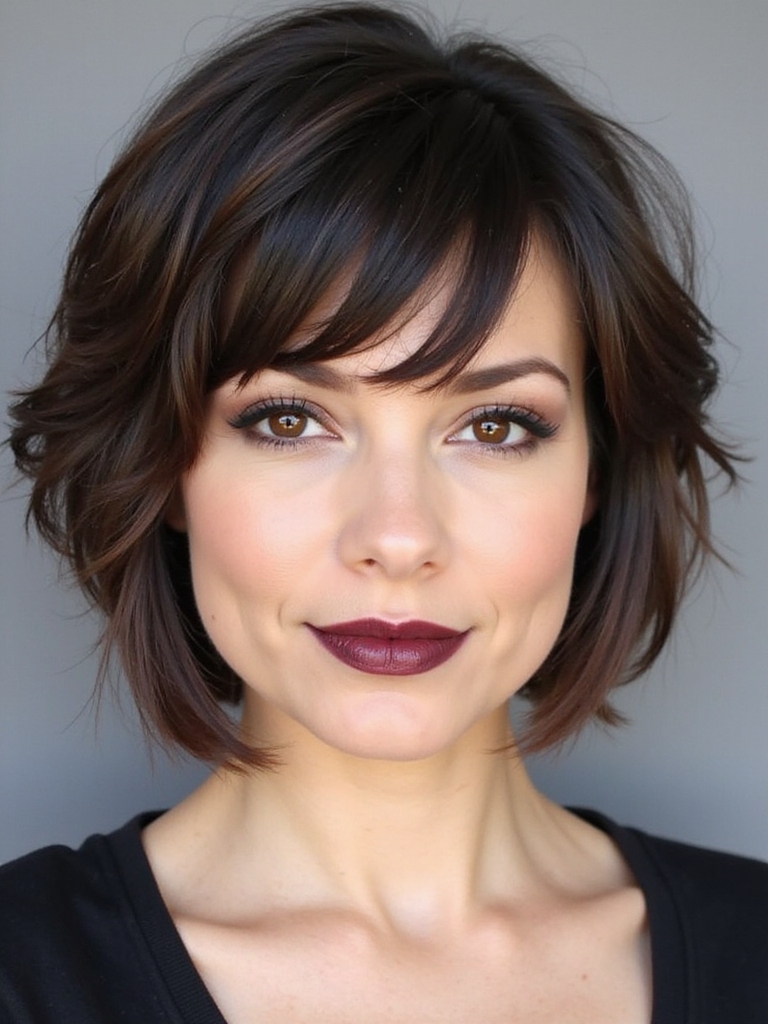
The cub cut is famously easy, but it dresses up beautifully when you want it to. A quick bend with a flat iron, a deep side part, or a little shine spray takes it from wash-and-go to evening-ready in a few minutes. The soft layers hold a styled shape without looking stiff.
Accessories work well too, since the rounded shape gives clips and headbands something to grip. A single barrette or a slick of gel at the temples looks instantly more polished.
- A flat-iron bend on the ends looks dressed-up fast
- A deep side part adds instant drama for evening
- Clips and a barrette grip the rounded shape easily
The Cub Cut Transformation

Going from long hair or a heavy bob to a cub cut is a genuine transformation, and it tends to feel freeing. I see it in my chair constantly: people are surprised by how much lighter their hair feels and how much less time it takes, which is the moment most fall for the cut. The mirror reveal is half the fun.
The shape also tends to make hair look healthier instantly, since the fresh layers remove weight and damaged ends. A lot of clients walk in tired of their hair and walk out truly excited about it.
If you are nervous, remember the soft grow-out is your safety net. Change your mind down the line and it loosens back into a soft, wearable shape on its own.
Seasonal Cub Cut Tweaks

The cub cut shifts nicely with the seasons without a whole new haircut. A touch more texture and a piecey finish suit summer humidity, while a smoother, rounder blowout feels right for cooler months. A few seasonal styling tweaks carry the one cut through the whole year.
- Summer: embrace texture spray and air-dried piecey ends
- Winter: a smooth round-brush blowout feels cozy and polished
- Refresh the layers seasonally to keep the shape sharp
Many Looks From One Chic Cut

One of the quiet joys of the cub cut is how many looks live inside it. The same cut can be tousled and undone one day, smooth and rounded the next, or pinned half-up for something different, all without a trip to the salon. The layers give you options that a blunt cut simply cannot.
A center part looks modern and clean, while a deep side part adds softness and drama. Switching the part alone restyles the whole look in seconds. It costs nothing.
Throw in a couple of clips or a quick bend and you have a third option. For a cut this low-effort, the range it offers is the real surprise.
Screen-Inspired Cub Cut Styles

Part of why the cub cut spread so fast is how often it turns up on stage, screen, and the front row. From soft, rounded versions to edgier textured ones, the range you see proves how adaptable the shape is across very different people. Seeing it everywhere is what tipped it from niche to mainstream.
Borrowing From the Feeds
When a screen version inspires you, study the length and the layer placement, then adapt it to your own hair. Professional styling and lighting can make a cut look different from how it will behave day to day.
Bring the photo to your stylist as a jumping-off point, and let them adapt the length and texture to your own hair. The best version is always the one tailored to you.
Cub Cut Maintenance Products

You do not need a crowded shelf to keep a cub cut looking good, just a few well-chosen products. A sea-salt spray brings out the piecey layers, a lightweight mousse adds volume at the roots, and a dab of light oil stops the ends drying out. That trio covers most needs.
Matching Products to Texture
Match the products to your texture: curly hair wants a curl cream, while fine hair leans on root-lift mousse over heavy oils. The right few products make the cut behave. Skip the rest.
A heat protectant earns its place too if you ever reach for a flat iron. Healthy ends are what keep the soft layers looking intentional rather than frayed.
How Texture Changes the Cut

The same cub cut behaves differently depending on your hair, which is why every version is tailored to the head in the chair. Straight hair shows the layers and perimeter cleanly, wavy hair gives that piecey texture with almost no effort, and curly and coily hair turns the shape into soft, springy volume. Each is lovely; each is styled a little differently.
Knowing your texture before your appointment gets you and your stylist aligned from the first snip. Fine hair wants internal layers for fullness, thick hair wants more removed to avoid bulk, and curly hair wants a dry cut shaped to the pattern.
There is a beautiful version of the cub cut for every texture, including coily and Afro-textured hair, as long as it is cut by someone who understands your hair. The shape is truly universal when it is done right.
Bangs With a Cub Cut

Adding a fringe takes the cub cut somewhere new without changing the length. Soft curtain bangs are the natural pairing, framing the face and echoing the cut’s rounded softness, while a wispy, piecey fringe leans into the textured version. Bangs are the easiest way to personalize the shape.
Just factor in the upkeep, since a fringe needs its own trims every few weeks to stay flattering. If that feels like too much, longer face-framing pieces give a similar effect with far less maintenance. Browse our cute bangs guide for fringe ideas that pair well.
Cub Cut Evolution and Trends
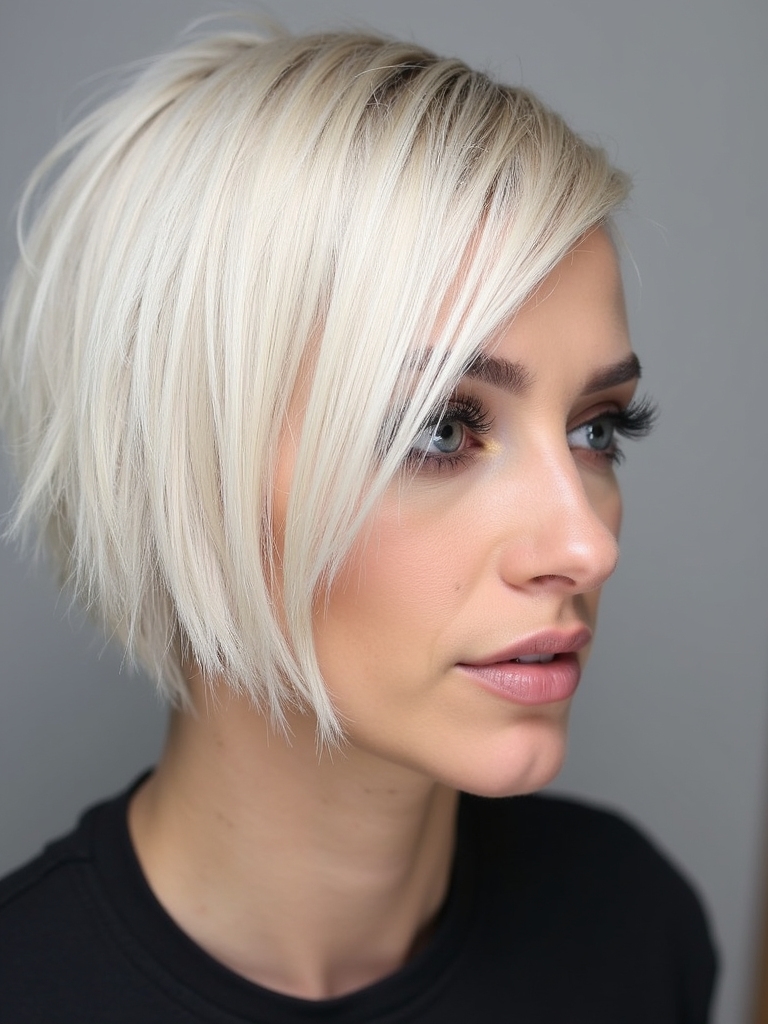
The cub cut keeps evolving, which is part of why it has staying power. Lately it is trending softer and more grown-out than the spikier shags it descended from, with rounded perimeters and gentle curtain fringes leading the way. The core idea stays the same; the finish keeps getting more wearable.
- Trending softer and rounder than its shaggier roots
- Curtain fringes and face-framing layers are leading
- Still built on the same easy, grow-out-friendly foundation
Who It Suits Best
The cub cut suits a remarkably wide range of people, which is a big part of its appeal. It is ideal for anyone who wants a flattering, current shape without a demanding routine, since it air-dries well and grows out softly.
Busy people, low-maintenance types, and anyone nervous about a big chop all do well with it, because the forgiving grow-out is a built-in safety net. It works on straight, wavy, curly, and coily hair, and on fine or thick density, as long as the layers and length are tailored to your texture.
Think about your styling habits and your face shape before you book. If you truly never touch your hair, ask for a slightly longer, softer version that needs the least upkeep; if you love to style, a shorter, more textured cub gives you more to play with. Bring a reference photo, talk through your hair type honestly, and find a stylist who cuts your texture often.
Do that, and the cub cut delivers exactly what its name promises: a soft, flattering, easy shape that looks good with almost no effort. For a curlier take, see our curly bob hairstyles guide.
Cub Cut Questions
?What is the difference between a cub cut and a shag?
A cub cut is softer and rounder than a shag, built on a bob foundation with gently stacked layers and a rounded perimeter. A shag is spikier and more heavily layered. The cub looks more polished and grown-up while keeping some of the shag’s texture and movement.
?Does a cub cut work on curly or coily hair?
Yes, beautifully, when it is cut dry and shaped to your pattern. The rounded, layered shape echoes how curls naturally stack, giving lift and avoiding the triangle. Seek a stylist who cuts curly and coily hair often, and lean on a curl cream rather than a salt spray.
?How often does a cub cut need trimming?
Plan a light trim roughly every 8 to 10 weeks to keep the layers defined and the perimeter rounded. The cut is designed to grow out softly, so you can stretch it, but past a couple of months the shape gradually blurs and loses its sharpness.
?Is a cub cut high or low maintenance?
Low, which is its whole appeal. The soft layers air-dry well and the shape grows out gracefully, so daily styling and salon trips are both minimal. A longer, softer version is the lowest maintenance; a shorter, textured one wants a little more product and slightly more frequent trims.
Soft, Sharp, and Easy
The cub cut earned its moment by solving a real problem: how to look current and pulled together without living at the salon or the styling bench. Softer than a shag, rounder than a bob, and built to grow out clean, it delivers a flattering shape that air-dries well and forgives a busy week. Few cuts give back this much for so little effort.
Whatever your hair type, the key is tailoring the length and layers to your texture and your routine, then keeping a light trim on the calendar. Bring a photo, be honest about your styling time, and the cut you leave with will be a soft, sharp, easy one that looks good on its own.
Next Up