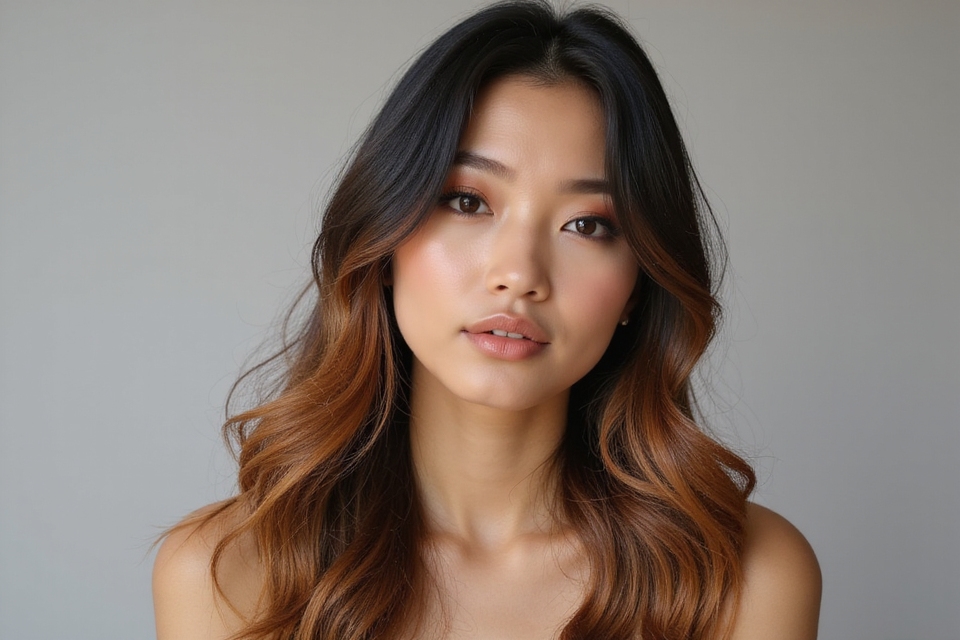

The curly wolf cut is the most flattering chaos your hair will ever wear. It pairs a soft, spiral fringe around your face with a short, lifted, layered nape, and on curls that contrast looks intentional rather than messy. If a shag and a mullet had a cooler, curlier cousin, this would be it.
I have cut a lot of these in the last couple of years, and the ones that work share a secret: the layering is built around your curl pattern, not forced onto it. This guide walks the whole thing, from the fringe and nape to choosing it for your face, styling it day to day, coloring it, and keeping it healthy.
Curly Wolf Cut Basics
What is a curly wolf cut? A heavily layered cut with a face-framing spiral fringe and a short, lifted nape, sitting somewhere between a shag and a mullet, built to play up curl and movement.
Does it work on all curl types? Yes, from loose waves to tight 4c coils. The layering just shifts: shorter and more strategic on coils, longer and softer on waves.
How much does it cost to maintain? A curly wolf cut runs about $50 to $90 at a salon and wants a reshape every 8 to 10 weeks to keep the layers and nape crisp.
A Bold, Textured Cut Built for Expression

At its heart, the curly wolf cut is a statement haircut. It borrows the heavy, choppy layers of a shag and the short, edgy nape of a mullet, then lets your curls do the rest. The result reads a little rebellious and a little vintage, but it stays wearable enough for everyday because the curls soften every hard line.
It is bold without being costume, which is exactly why it has taken off. If you like the energy but want it pushed further, it overlaps with edgy curly scene looks.
- Combines shag-style layers up top with a short, lifted nape
- Reads rebellious and vintage but stays wearable day to day
- Curls soften the contrast so it never looks harsh
Styling the Spiral Fringe
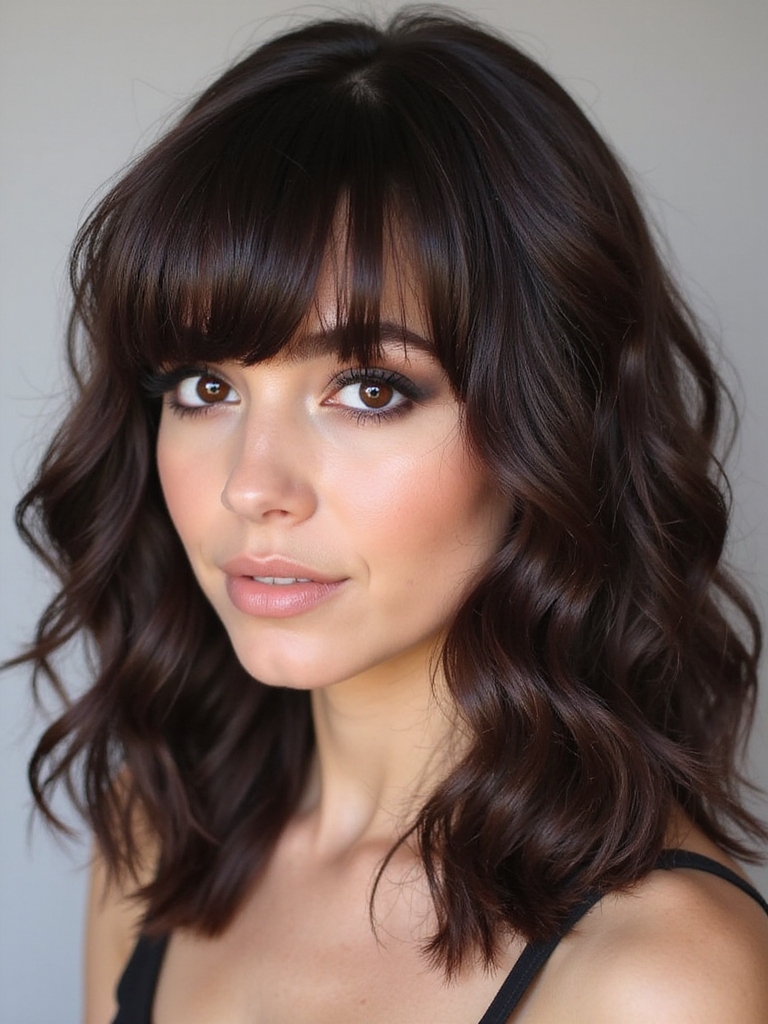
The fringe is the signature. Instead of a blunt curtain, the curly wolf cut keeps a soft, spiraled fringe that falls around your face in defined coils. It frames your features and ties the whole cut together.
Keep It Long, Let It Spring
Styling it is a light touch. Work a little mousse through the damp fringe, scrunch with your fingertips, and let a diffuser do the rest. Cut long and let it spring up, since curly fringe shrinks a lot as it dries.
If you already love a face-framing front, this is the natural next step from curly bangs, just choppier and more lived in.
Style the spiral fringe in four quick moves.
1Start damp
Work on freshly washed, soaking-wet fringe so product spreads evenly.
2Add mousse
Scrunch a small amount of lightweight mousse through the fringe.
3Coil and set
Twist a few pieces around your finger to encourage defined spirals.
4Diffuse and leave
Diffuse on low, then stop touching until it is fully dry.
Volume and Texture at the Lifted Nape
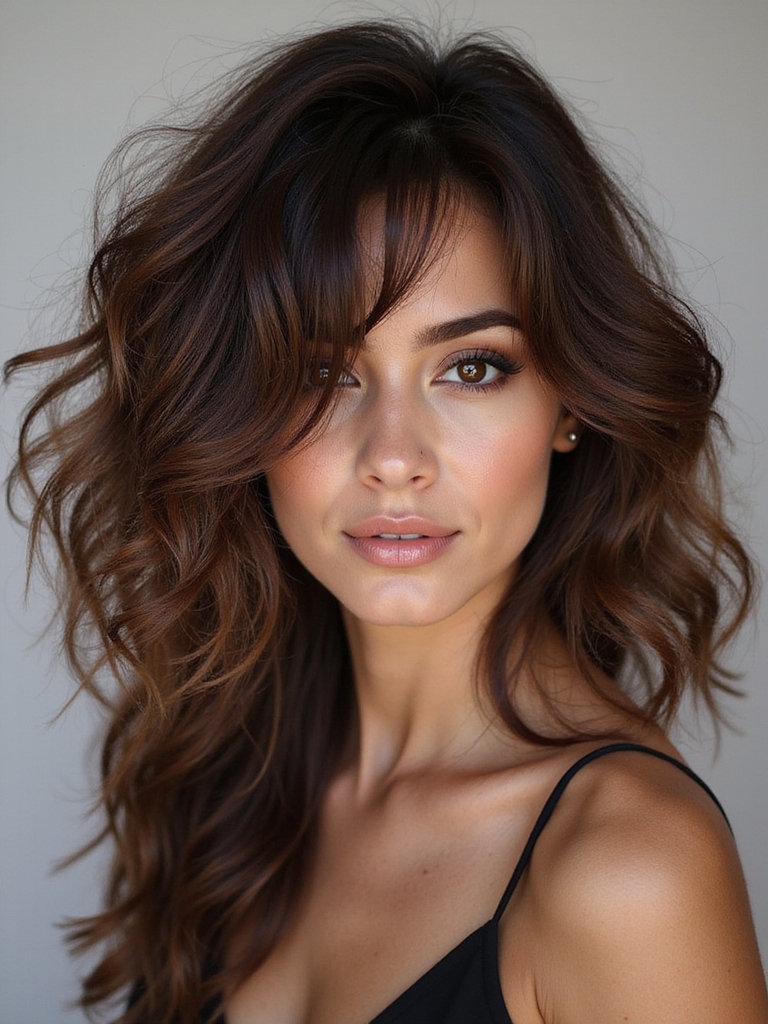
The back is where the wolf cut earns its name. The nape is cut short and layered so it lifts away from your neck with real volume, the opposite of a flat, blunt bob line. On curly hair this is forgiving, because the coils fill in any unevenness and add their own bounce.
Careful sectioning is what makes the nape look sculpted rather than scrappy, so this is not the spot to rush at home. Done well, it gives the whole cut its energy from every angle, not just the front.
- Cut the nape short and layered so it lifts off the neck
- Let the curls fill in volume that a blunt line would flatten
- Leave the precise sectioning to a stylist for a clean shape
Choosing the Right Curl Pattern Approach
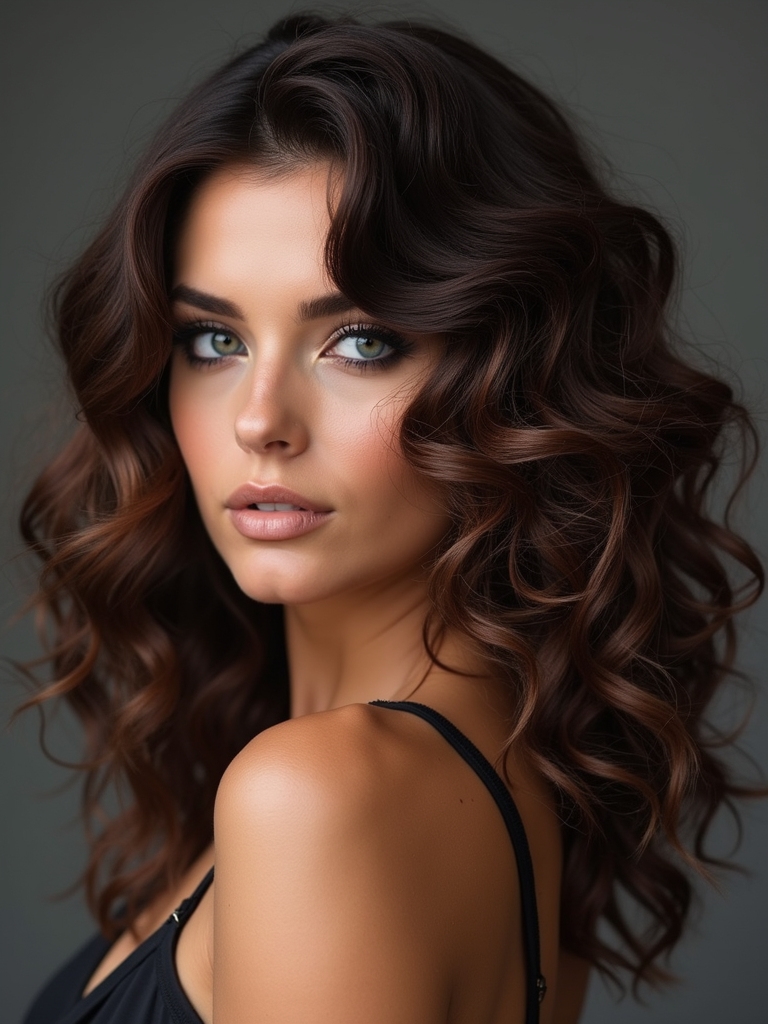
Every curl pattern can wear a wolf cut; the layering just adapts. Loose waves carry longer, softer layers and a gentler nape. Springy curls take the classic choppy version beautifully. Tight coils do best with shorter, more strategic layers so the shape stays controlled rather than ballooning wide.
The mistake is copying a photo of someone whose texture is nothing like yours, then wondering why it does not sit the same. Bring a reference that matches your natural curl pattern, and let your stylist translate the cut to what your hair actually does.
- Loose waves: longer layers and a softer, lower nape
- Springy curls: the classic choppy wolf shape
- Tight coils: shorter, strategic layers to control width
“Always ask for a curly wolf cut on dry hair, or with shrinkage accounted for. A nape that looks perfect wet can lift two inches higher once it dries, and that back length is the one part you cannot undo.”
Matching the Curly Wolf Cut to Your Face Shape

Face shape is a guide, not a rule, but it helps you place the layers well. An oval face suits almost any version, so you have the most freedom to play with fringe length.
Place the Layers With Intention
A round face benefits from height at the crown and a slightly longer fringe to add length, while a square face softens with curls that fall around the jaw rather than stopping at it.
The beauty of all those curls is that they blur hard angles automatically, so even a bold version tends to flatter. When in doubt, keep more length around the face and go shorter in the back.
Texturing and Accessorizing Your Curls
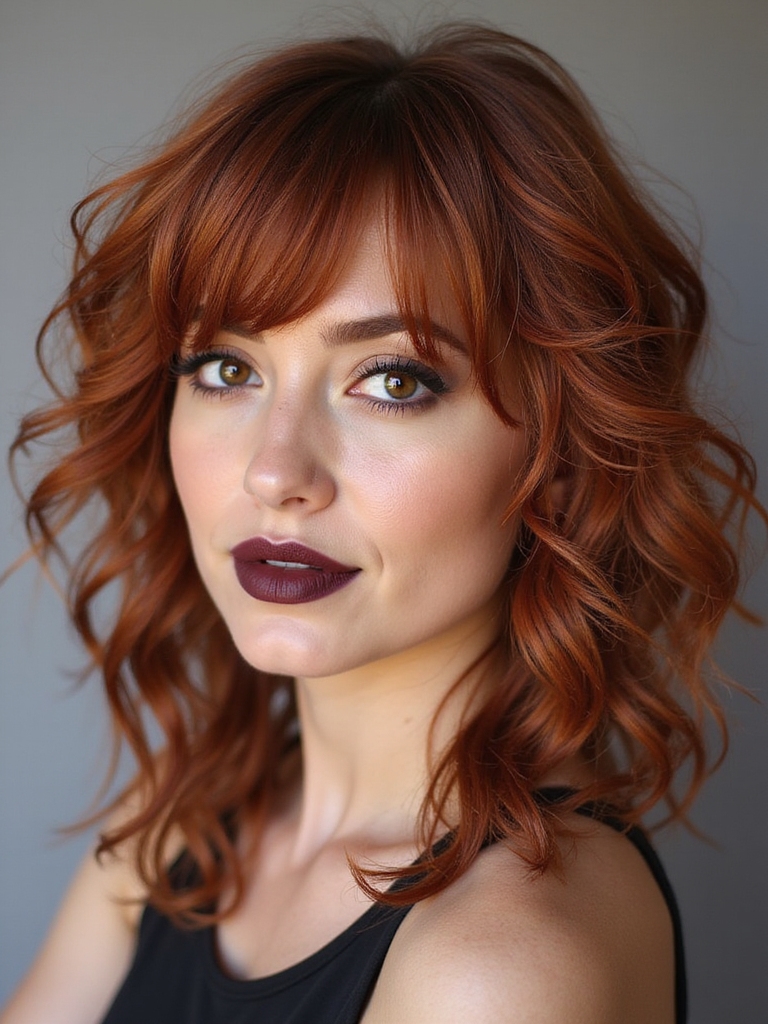
Once the cut is in, a few finishing moves make the texture pop. A lightweight mousse defines the spirals without weighing them down, and twisting a few sections while damp adds dimension where you want it. I tell clients the same rule every time. Scrunch, then leave it alone to dry, because handling wet curls is what breeds frizz.
Accessories suit this cut especially well, because the choppy texture grips them. A silk scarf knotted at the crown, a couple of clips along the fringe, or a thin headband all dress it up in seconds. The wolf cut has enough attitude that even small additions read as styled rather than fussy.
A little wolf-cut vocabulary.
📖Spiral fringe
The soft, coiled, face-framing front that replaces a blunt bang on a curly wolf cut.
📖Lifted nape
The short, layered back cut to stand away from the neck with volume, the wolf cut’s signature.
Embracing Your Natural Curls
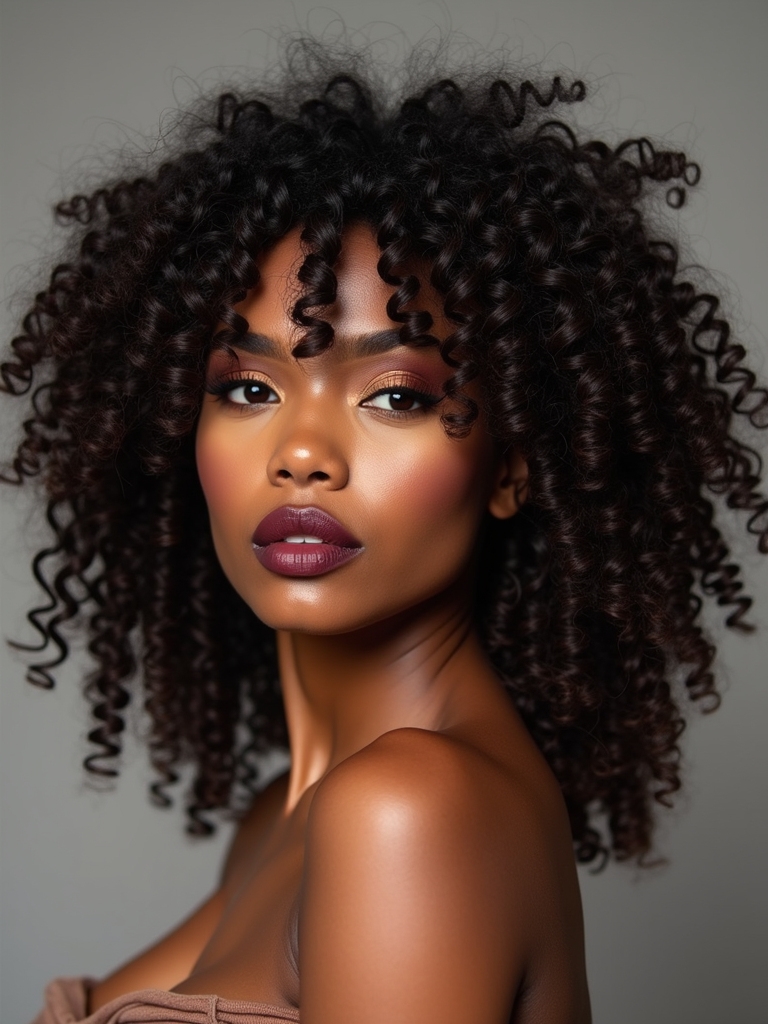
The whole point of a curly wolf cut is that it celebrates your texture rather than fighting it. A little frizz is not a failure here; the cut is meant to look undone, so some softness around the edges actually suits it. Lean into your curl pattern instead of chasing a glass-smooth finish you would have to fight for daily.
Curl-friendly products and a gentle routine do more than any tool. The cut already has movement built in, so your job is mostly to define what is there and stay out of its way.
- Treat a little frizz as part of the undone look, not a flaw
- Define your real pattern instead of forcing it straighter
- Let the layers carry the movement; you just shape and set
The Curly Wolf Cut’s Everyday Elegance
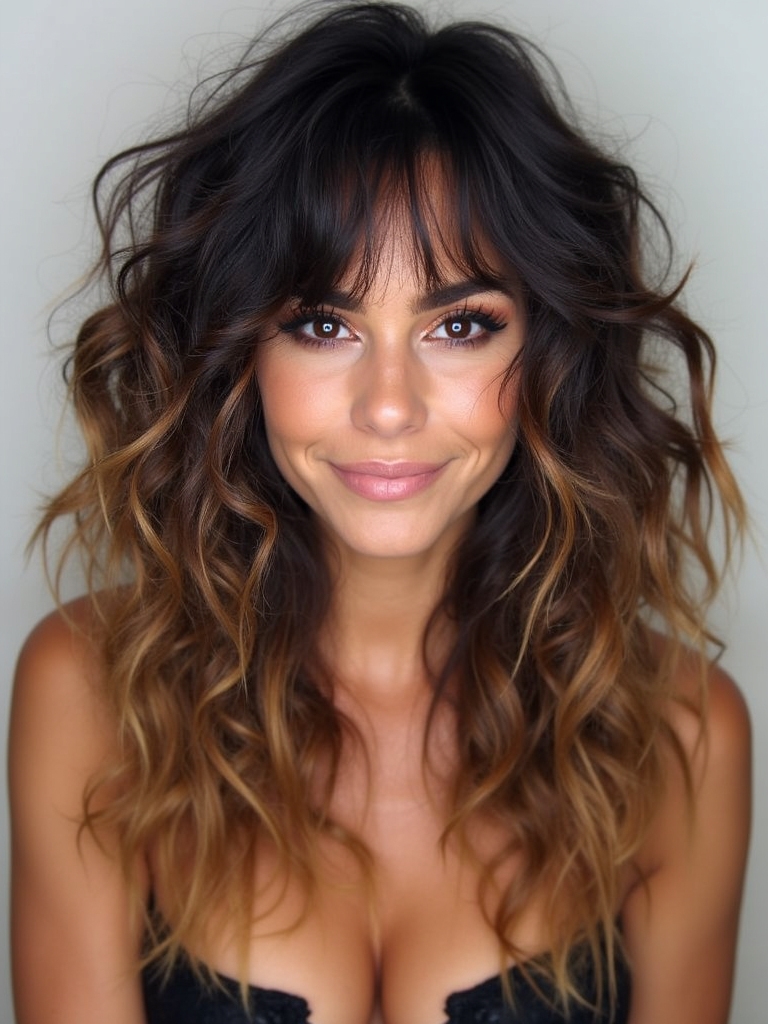
For all its rebellious roots, the curly wolf cut is surprisingly easy to wear to work, dinner, or a school run. The volume and dimension that make it look striking also make it forgiving, because there is no precise blowout to recreate every morning.
Scrunch in a refresher, shake it out at the roots, and the layers land where they want to. On a busy morning you can scrunch in a refresher and go, and it still looks deliberate. That balance of edgy and easy is the reason it suits so many lives, not just the bold ones.
- Looks striking but styles fast, since the cut carries the volume
- Diffuse and finger-tousle for instant height and fullness
- Refresh-and-go on busy days and it still reads styled
🅰️Curly Wolf Cut
Shorter, more lifted nape and a choppier, more disconnected shape for maximum edge and volume.
🅱️Curly Shag
Softer, more blended layers all over and a longer, gentler back, for a lower-drama version of the same idea.
A Hair Care Routine for Curls
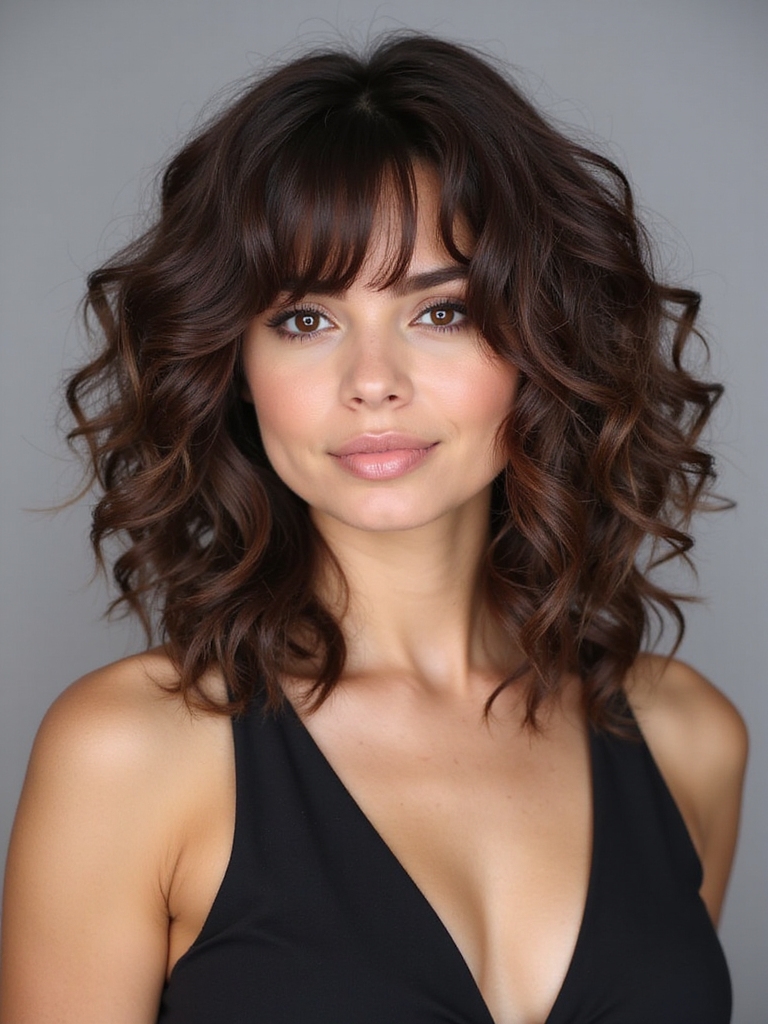
A wolf cut shows off your curls, so their health shows too. Hydration is the foundation, so a rich conditioner and regular deep conditioning keep the layers springy instead of dry and crunchy.
Hydration First, Always
Wash less often than you think, once or twice a week for most curl types, and co-wash in between. Detangle with conditioner in, using fingers or a wide-tooth comb, and stay away from brushing dry curls.
Air-drying or diffusing on low protects the pattern. The healthier your curls, the better every layer of this cut behaves.
Products for Enhanced Curl Definition
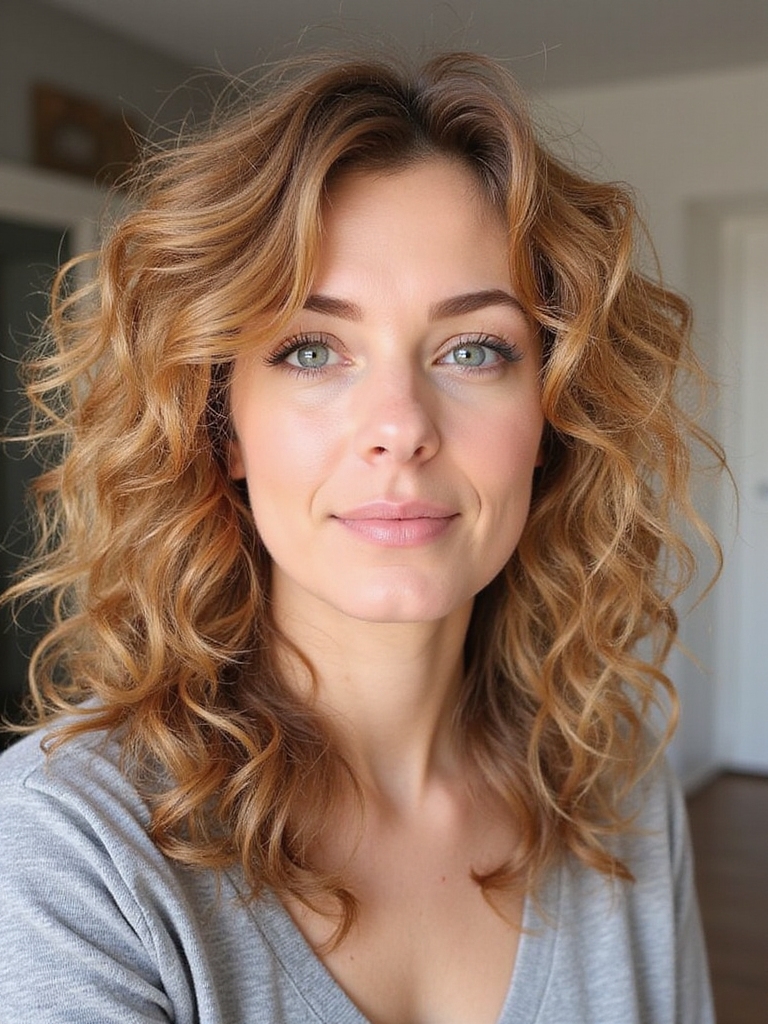
You only need a small lineup to keep a wolf cut sharp. A curl cream defines and softens, a light gel sets the spirals, and a daily refresher spray revives the pattern between washes.
Mousse Is Your Friend
Mousse is the secret weapon for this cut specifically, since it adds spring and volume without the weight that drags choppy layers flat. Apply to soaking-wet hair for the best clumping.
Skip the heavy oils and butters on the fringe, which can make it stringy. Save richer products for your ends, where the cut needs the most moisture.
Blow-Drying for Volume

If you want more lift than air-drying gives, a diffuser is the right tool, not a round brush. Tip your head forward, cup sections into the diffuser, and dry on medium heat and low airflow so you build volume without blowing the curls apart.
For root lift, aim the diffuser at the roots first and clip a few sections at the crown while they cool. Heat shapes hair as it dries, so let the curls set fully before you touch them. Finish with a shot of cool air to set the volume for the day.
Essential Tools for the Shape

You can keep this cut sharp with just a few tools that earn their place. A wide-tooth comb or a Denman handles gentle detangling, a diffuser builds and keeps volume, and a microfiber towel or cotton tee dries curls without roughing them up. Sharp shears matter for the person cutting it, but at home your tools are mostly about drying and defining, not cutting. The right few make styling faster and kinder to your curls than a pile of the wrong ones.
- Wide-tooth comb or Denman for gentle, conditioner-in detangling
- Diffuser to build and preserve volume on wash day
- Microfiber towel or cotton tee to dry curls without frizz
Adapting the Cut for Different Lengths

The wolf cut flexes across lengths, which is a big reason it works for so many people. A short version leans into textured layers and a punchy nape for maximum edge.
A medium, shoulder-grazing length is the most balanced and popular, with flowing layers that frame the face and a softer nape. A long version keeps real length while still removing weight, for drama without the chop.
Whichever you choose, the proportions stay the same: shorter and lifted at the back, longer and face-framing at the front. It is the same cut, just scaled to your comfort.
Transitioning From Other Styles

Coming from long, one-length hair, a wolf cut is a dramatic but rewarding change, and you can ease into it by starting with longer layers before going fully choppy. Many people find their curls behave better once the weight comes off.
Ease In With Longer Layers First
If you are growing out a shorter cut, a wolf cut is a smart in-between, since the layered shape blends awkward lengths instead of fighting them. It is a forgiving stage to land on.
From a curly shag, the jump is small, mostly a shorter, more defined nape. Talk through the back length with your stylist before committing.
What the Transformation Looks Like

The change is usually bigger than people expect, in the best way. Weight comes off, the curls lift, and hair that read flat and heavy suddenly has shape and movement. The first time you see your curls spring up at the nape is honestly a little thrilling.
Give it a couple of wash cycles to settle. Freshly cut curls can feel unfamiliar until you learn how the new layers want to fall, and a week of styling teaches you more than any tutorial.
- Expect noticeable lift and movement as weight comes off
- Allow a couple of washes to learn how the layers fall
- The nape volume is usually the most surprising part
Adding Color to a Curly Wolf Cut
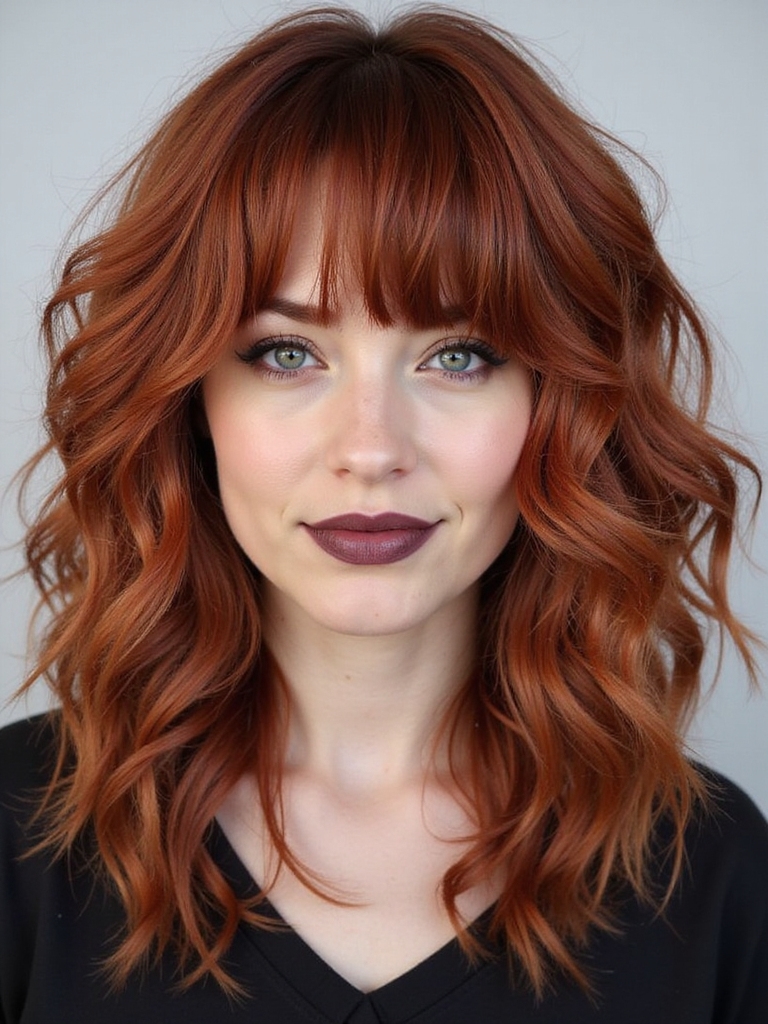
Color and a wolf cut are a great match, because the layers give dimension somewhere to live. Highlights and balayage catch the movement, lighting up individual curls as they fall.
A money piece in the fringe is a popular, low-commitment way to add impact right where the eye lands. Bolder, all-over color leans into the cut’s rebellious side.
Just respect what lightening does to curls. Bleach raises the cuticle and can loosen your pattern, so book a colorist who works with texture and commit to a moisture-first routine afterward.
Seasonal Curl Care
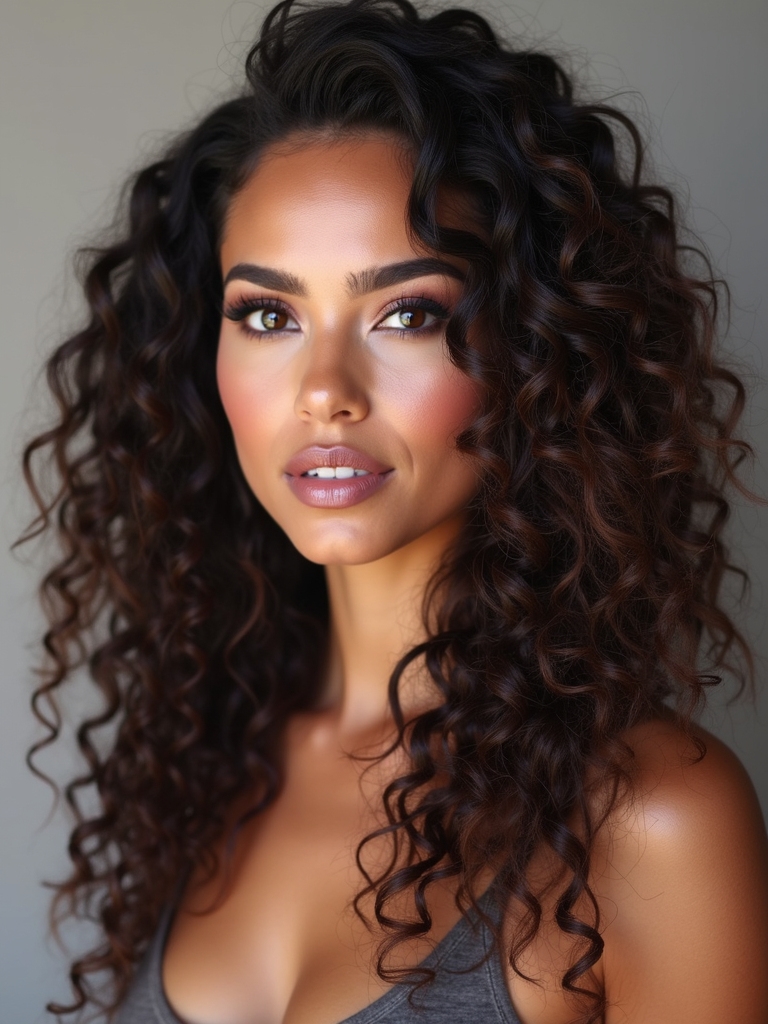
Curls respond to the weather, and a wolf cut is no exception, so your products should shift with the seasons even though the cut stays put.
Shift Products, Not the Cut
Winter air dries hair out, so reach for richer creams and oils and seal in moisture. Summer brings humidity, so an anti-humidity layer keeps the spirals from puffing into frizz.
Spring and fall are the easy middle, where a lightweight gel or mousse is usually all you need. Adjust the products, keep the routine, and the cut looks its best year round.
Maintenance Tips

The wolf cut asks little of you most days, but it does depend on regular shaping, since the whole look lives in its layers and nape. Book a reshape every 8 to 10 weeks so the shape does not grow heavy and lose its lift.
Between cuts, protect your curls at night with a satin surface or a loose pineapple, and refresh rather than rewash to extend each style. Dust the fringe yourself if it grows into your eyes, but leave the layering and the nape to your stylist.
- Reshape every 8 to 10 weeks so the layers and nape stay crisp
- Protect curls nightly with satin or a loose pineapple
- Refresh between washes instead of rewashing every day
Common Mistakes to Avoid

The most common mistake is cutting a curly wolf cut on wet, stretched hair without accounting for shrinkage, which leaves it far shorter than planned once it dries. A curl specialist cuts dry, or at least factors shrinkage in.
The other slips are about upkeep and product. Letting it grow out too long collapses the shape, over-layering thins the curls into stringiness, and piling on heavy product flattens the volume the cut is built for. Go light, trim on schedule, and let the texture breathe.
- Cutting wet without planning for shrinkage, so it ends up too short
- Skipping trims, which lets the layered shape collapse
- Over-layering or heavy product, which kills the volume
Where to Find Curly Wolf Inspiration
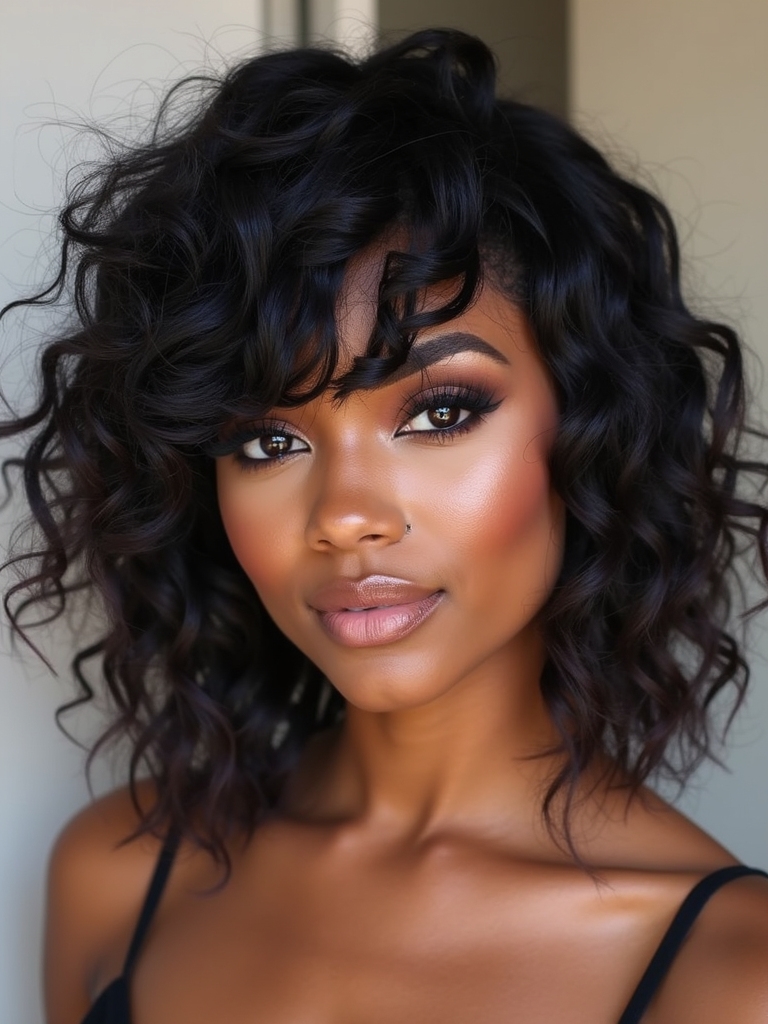
When you are gathering ideas, look past a single perfect photo. Stylist portfolios, decade-revival editorials, and real client galleries show the wolf cut on every curl type and length, which is far more useful than one campaign shot.
Save several references that share your texture rather than your dream length, and include the back so your stylist can read the nape. A small, honest collection beats a folder of looks built on hair nothing like yours.
- Collect photos that match your curl type, not just the length
- Include back and side angles so the nape reads clearly
- Favor real, undirected hair over heavily edited shots
Bold, Rebellious, and Still Elegant
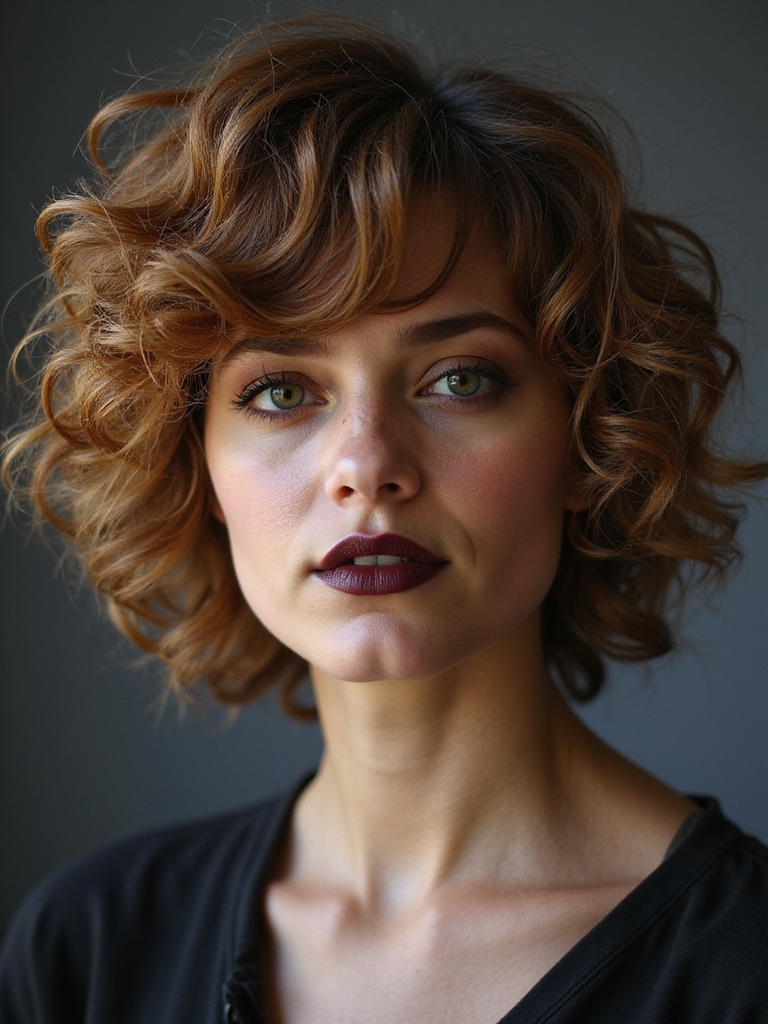
The reason this cut has staying power is the tension at its core: it is rebellious and refined at once. The choppy layers and lifted nape bring the edge, while the soft, defined curls bring the polish.
Edge and Polish at Once
That balance means you can wear it to a concert or a boardroom and have it read right in both rooms. It bends to your styling, sleeker when you want it, wilder when you do not.
Few cuts pull off bold and elegant together. The curly wolf cut does it without trying, which is exactly why it keeps showing up.
Everyday Styling Tips

For day-to-day wear, keep your routine simple and repeatable. On wash day, define with product on soaking-wet hair and diffuse or air-dry. On the days after, mist with water and a leave-in, scrunch, and reshape the fringe with your fingers.
A few small habits keep it looking fresh: refresh the nape volume with a quick finger-tousle, tuck the fringe back with a clip when you want it off your face, and never brush it dry. The cut rewards a light, consistent hand far more than a fussy one.
- Wash day: define on wet hair, then diffuse or air-dry
- Between washes: water-and-leave-in mist, scrunch, reshape the fringe
- Finger-tousle the nape for instant volume, and never brush dry
Curly Wolf Cut Pros and Cons

Like any statement cut, the wolf cut is worth weighing honestly before you commit. On the plus side, it adds huge volume and movement, suits every curl type, and is truly low-effort once it is in, since the shape carries the styling.
It also grows out gracefully, blending instead of leaving a hard line. On the other hand, it needs regular trims to keep its shape, the nape can feel like a big change at first, and a great result really depends on finding a stylist who understands curls. Go in clear-eyed and the pros tend to win.
- Pros: volume, movement, low daily effort, graceful grow-out
- Cons: needs reshaping every couple of months
- Cons: results hinge on a stylist who knows curly hair
Wearing It With Confidence

More than any technique, what makes a wolf cut work is how you carry it. It is a bold shape by design, so it rewards a little nerve, and the people who look best in it are the ones who lean into the edge rather than apologize for it.
Carry It Like You Mean It
If you have wanted to try something with more attitude, this is a forgiving place to start, since the curls keep it soft. In my chair, the people who hesitate the longest tend to be the ones grinning widest by the time they reach the door.
Wear it like you chose it on purpose, because you did. That confidence is the real finishing product.
How to Ask Your Stylist
Walking in prepared gets you a far better cut, so learn the vocabulary first. Ask for a curly wolf cut by name, then specify the parts: a face-framing spiral fringe, heavy choppy layers through the mid-lengths, and a short, lifted, layered nape.
Say how short you are comfortable going in the back, since that is the boldest element and the hardest to reverse. Most important, in my chair I always cut these dry, so ask your stylist to do the same, or at least to account for shrinkage, because a wolf cut measured wet can spring up far shorter than you wanted.
Bring two or three photos that match your curl pattern, including a back view, and be honest about how much you will actually do at home. A stylist who hears that you keep it simple will leave the layers more forgiving.
If they only work on straight or loosely wavy hair, find someone who specializes in texture; the difference between a curl-literate cut and a generic one is enormous on a shape this layered. That conversation at the start is what turns a trendy idea into a cut you truly love living in.
Curly Wolf Cut Questions, Answered
?Will a wolf cut work on my curl type?
Almost certainly. From loose waves to tight 4c coils, the wolf cut adapts through its layering, going shorter and more strategic on coils and longer and softer on waves. The key is a stylist who cuts for your specific texture.
?How often does a curly wolf cut need trimming?
Plan a reshape every 8 to 10 weeks. The cut lives in its layers and lifted nape, so letting it grow too long collapses the shape and loses the volume that makes it special.
?Is a curly wolf cut hard to style day to day?
Not once it is in. The shape carries the volume, so most days are a scrunch of product and a diffuse or air-dry, with a quick water-and-leave-in refresh in between washes.
?Will a curly wolf cut suit fine or thin curly hair?
It can, and often flatters it. The choppy layers create the illusion of more density and movement than fine curls have on their own. The caution is over-layering, which can thin fine hair out, so ask for restraint and keep a bit more length through the mid-lengths.
?Can I grow out a curly wolf cut easily?
Yes, and that is one of its perks. Because the layers are graduated, they blend as they lengthen instead of leaving a hard line, so it grows into a longer, softer shape rather than an awkward one.
Curly Chaos, On Purpose
The curly wolf cut takes everything people once tried to tame about curly hair, the volume, the movement, the refusal to lie flat, and turns it into the whole point. With a spiral fringe up front and a lifted nape in back, it gives your texture a shape that finally works with it instead of against it.
If you want a change with real personality, this is among the most satisfying changes you can make, especially if your curls have felt heavy or shapeless. Find a stylist who knows texture, go in with clear references, and let your curls do what they have always wanted to do.
More Styles to Try