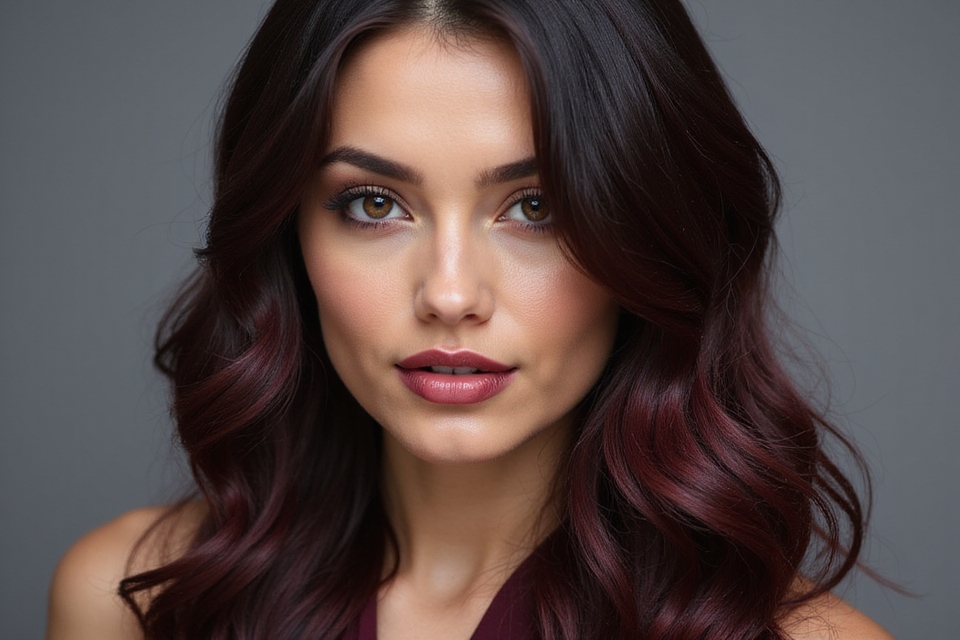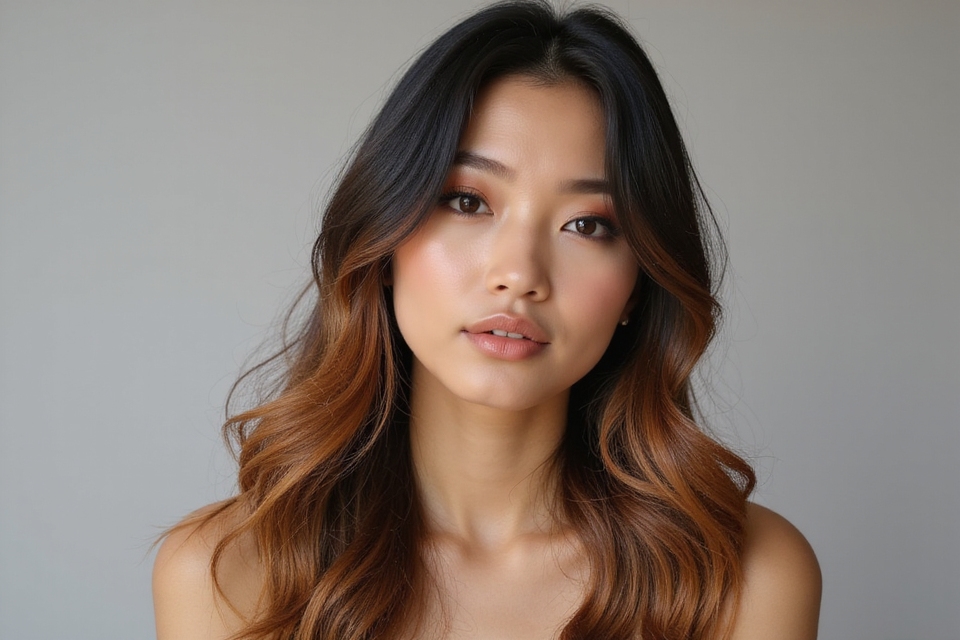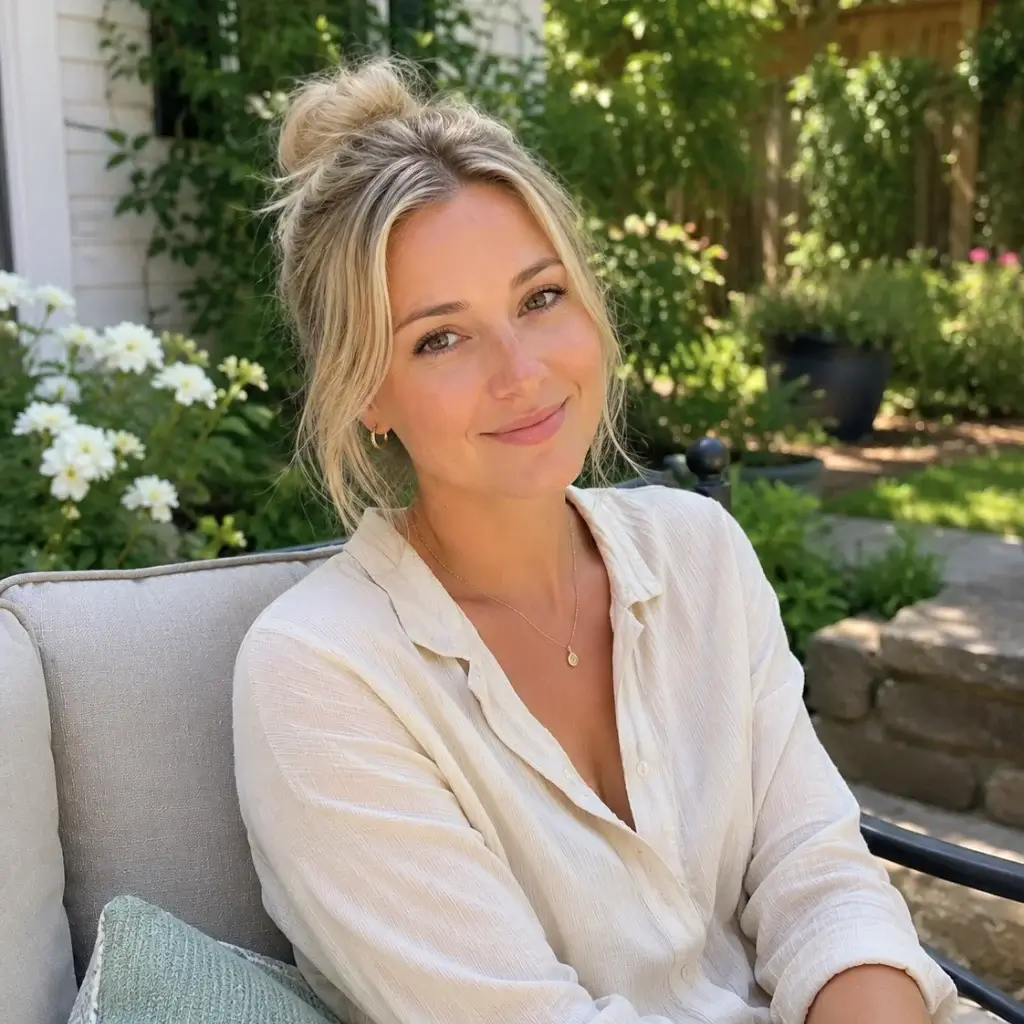
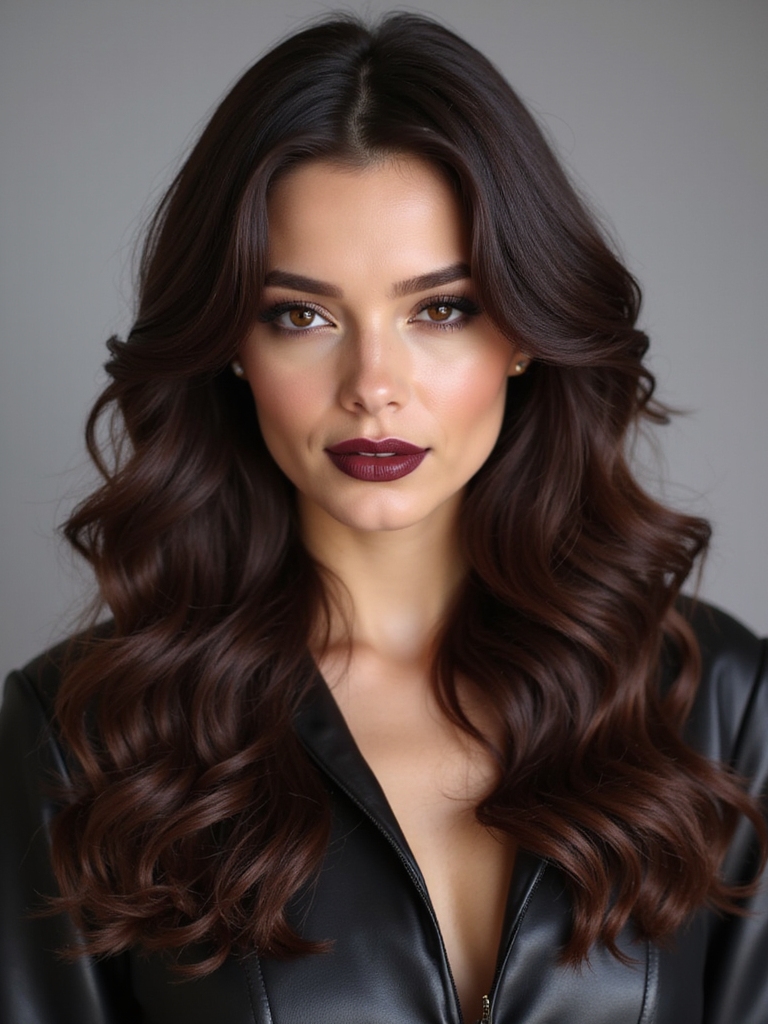
The fastest way to get espresso brunette wrong is to order it like it is plain dark brown with a nicer name. It is not. Espresso sits at a deep level 2 to 3 base, and what keeps it from looking like flat near-black is the warm, coffee-toned glow that wakes up the moment light hits it. Get that undertone right and the color looks rich and dimensional. Get it wrong and it can look heavy and one-note.
I color a lot of heads this shade once the weather turns cool, and the questions barely change: how dark is too dark, do I really need bleach, will it drain my face. Here is everything I actually tell people at the chair, from picking your depth to keeping the shine going at home.
Espresso Brunette at a Glance
Do I need bleach to go espresso? Almost never. Espresso is a deep shade, so most people land it in one appointment with no lifting, which keeps your hair stronger and the color truer.
Warm or cool espresso, how do I choose? Match it to your undertone. Warm, golden skin glows with a soft red-brown espresso, while cool or olive skin looks crispest in an ashier, neutral version.
How much upkeep is it really? Plan on a gloss every 4 to 6 weeks at roughly $40 to $90, plus a color-safe wash routine. Roots show slowly on dark color, so full touch-ups stretch further than blonde.
What Makes Espresso Brunette So Rich

Espresso brunette is a near-black brown carried by a warm, coffee-bean undertone. That undertone is the whole point. It is what lets the color hold depth in shadow and throw off a soft brown shine the second you step into daylight, instead of sitting on your head as a flat dark mass.
Why the Undertone Matters More Than the Depth
Because the base is so deep, espresso also flatters in a way most dark colors do not: it blurs uneven texture, makes thin hair look denser, and gives fine strands a glassy, reflective finish. On camera and under warm indoor light, it looks expensive without trying.
It is also one of the lowest-commitment dark colors going. There is no bleach, no dramatic regrowth line, and the shade grows out gracefully because it lives so close to most people’s natural level.
How Espresso Brunette Works Across Skin Tones

Espresso suits almost everyone, but the version you pick should follow your undertone. The deep-skinned clients I work with often look richest in an espresso with a faint red or chocolate warmth, which keeps the color from going dull against melanin-rich skin. Cooler and olive complexions usually want a more neutral, ashier espresso so the hair does not pull muddy.
Here is how I guide the choice in the chair:
- Warm or golden skin: lean into a soft red-brown espresso for glow and contrast.
- Cool or pink skin: a neutral-to-ashy espresso keeps things crisp and modern.
- Deep, melanin-rich skin: a warm chocolate-espresso adds light and dimension without washing the color flat.
A few espresso terms worth knowing before you book:
📖Espresso brunette
A deep level 2 to 3 brown with a warm, coffee-toned undertone, dark but not flat black.
📖Gloss or glaze
A semi-translucent color refresh that restores shine and tone, usually every 4 to 6 weeks.
📖Lowlights
Darker pieces woven through lighter hair to add depth, the bridge from blonde toward espresso.
Choosing the Right Espresso Depth for You

Picking your espresso comes down to two decisions made in order: how dark, then how warm. Settle those before you ever look at a shade chart, because most disappointment comes from copying a photo when the formula should be built around you.
- Decide your depth first. A true espresso is a level 2 to 3. If you live in dim climates or want softness around the face, ask for the lighter end so the color does not swallow your features.
- Then choose your warmth. Warm espresso flatters yellow and red undertones; neutral or cool espresso suits pink and olive skin and stays trend-forward.
- Factor in your starting point. Going dark from light hair needs a filler step so the color does not grab green or fade fast, which is a conversation best handled by your colorist.
Keeping Espresso Color Rich Between Salon Visits

Dark color does not fade the way blonde does, but it does shift. Espresso tends to lose its warm depth first and drift toward a flat, slightly faded brown, usually because of hot water and clarifying shampoos stripping the toner out.
The Gloss Is Doing the Heavy Work
A color-safe, sulfate-free shampoo and cooler rinse water are the two changes that make the biggest difference. Wash less often, two or three times a week is plenty, and let dry shampoo carry the in-between days so you are not rinsing tone down the drain.
Every 4 to 6 weeks, a clear or tinted gloss at the salon snaps the shine and warmth back, usually for $40 to $90. It is the single best-value thing you can do for a deep shade, and it takes about 20 minutes in the chair.
Adding Dimension With Subtle Espresso Highlights

Solid espresso is beautiful, but a few well-placed lighter pieces stop it from looking like a helmet under flat light. The goal is dimension you can barely name.
- Face-framing money pieces: two or three soft caramel or chestnut strands around the face brighten your complexion instantly.
- Low-maintenance teasylights: fine, root-shadowed highlights grow out invisibly, so you are not chained to touch-ups.
- Tonal-only contrast: keep the lift within two levels of your espresso for a rich, believable result that skips the obvious foil pattern.
Espresso Balayage for Low-Key Dimension

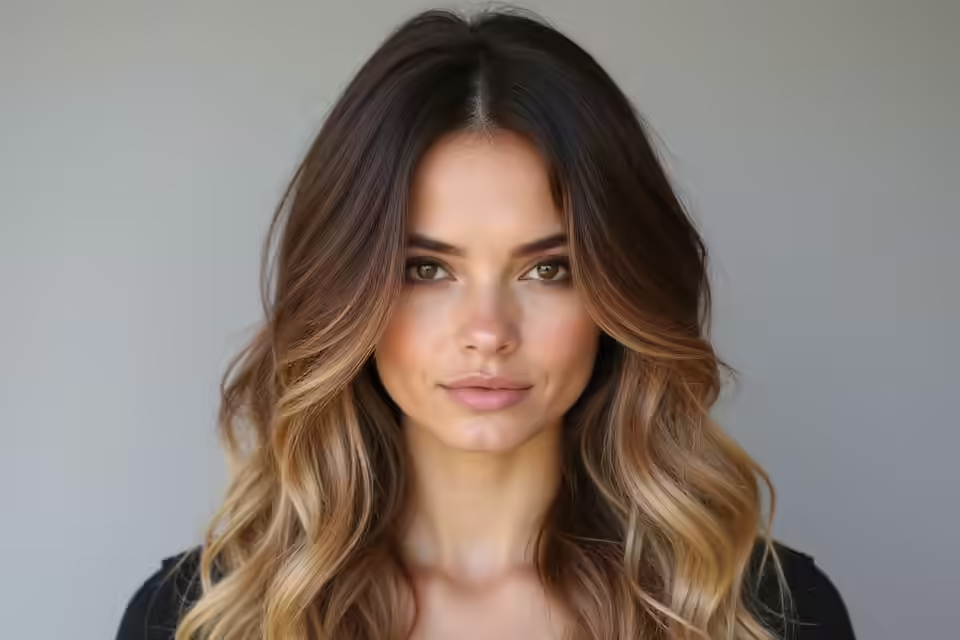
Balayage on an espresso base is the version I lean on when someone wants movement without commitment. The color is hand-painted softer and lower than foils packed to the root, so the deepest espresso stays around the face while the mid-lengths catch a touch of warm light.
The gentle contrast means regrowth blurs in slowly and upkeep stays light: a gloss to refresh, a balayage touch-up only every three to four months. Expect a salon session to run $150 to $250 depending on length and how much painting your hair needs.
Why Espresso Reads as a Quiet Statement

Espresso is bold in a way that does not shout. It is dark enough to look deliberate, polished enough to look styled even on a no-effort day, and neutral enough that it sits back behind whatever you are wearing. That combination is why it has quietly become the default cool-season brunette.
What you get from it day to day:
- A glassy, reflective finish that makes hair look healthier than it is.
- A color that pairs with any wardrobe palette, warm or cool.
- Long stretches between salon visits, since regrowth blends in softly as it grows.
Hairstyles That Show Off Espresso Tones

Espresso loves anything that lets light travel down the strand, so the cut and finish matter as much as the color itself. A few that consistently make the shade look its best:
- A blunt, sleek bob turns espresso into a wall of shine and looks pulled together with almost no product.
- Loose, brushed-out waves scatter light and show the warm undertone moving through the hair.
- A silk press on textured hair gives that mirror finish that makes espresso look its richest, just keep heat protection non-negotiable.
🅰️Sleek Blowout
Maximizes espresso’s glassy shine and looks polished, but shows every bit of dryness, so finish matters.
🅱️Tousled Waves
Scatters light to show the warm undertone moving, more forgiving day to day and easier to refresh.
Transitioning to Espresso From Lighter Color

Going dark from blonde or highlights is the one espresso scenario that truly needs a pro, because pre-lightened hair is porous and will grab espresso unevenly, often flashing green or fading to ash within two washes if it is not filled first. It is the one espresso change I always send to a salon.
- Book a consultation. A colorist will read your history and decide whether you need a warm filler before the espresso goes on.
- Expect a filler step. Replacing the warm pigment bleach removed is what keeps espresso from turning muddy or dull.
- Plan for a follow-up gloss. The first dark application on light hair almost always needs a refresh at the 2-week mark to lock the tone in.
The Polished Side of Espresso Brunette

There is a reason espresso shows up in so many boardroom and red-carpet shots: deep, even color photographs as expensive, and it gives a finished look even when the styling is simple. A low bun, a center part, a clean blowout, espresso makes all of them look intentional.
If a refined finish is your goal, ask your colorist to keep the tone on the neutral side, and to add a clear gloss for shine. Neutral espresso plays better with cool-toned makeup and tailored clothing.
Pair it with a chocolate brown gloss if you ever want to warm things up a half-step for spring without a full color change.
Espresso Lowlights on Blonde Hair

If you are blonde and curious about espresso but not ready to commit fully, espresso lowlights are the bridge. Woven through blonde, they add depth at the root and weight through the hair, which makes thin blonde look fuller and gives the color a more dimensional, rooted finish.
This works best when the espresso stays in the lower third of your color, lowlights underneath and around the nape, brighter pieces kept up top. It looks natural, and the regrowth softens in with no harsh line.
It is also a smart trial run. Live with espresso lowlights for a few months, and if you love the depth you can always go darker overall later. For a softer version, ask about cool-toned dark blonde as the in-between step.
Espresso on Natural Curls and Coils

On curly and coily hair, espresso does something special: the depth defines each curl and the shine travels along the coil, so curls look more separated and dense without any extra product. It flatters textured hair better than almost any other shade, precisely because it works with the natural light pattern of each coil.
Because textured hair tends to run drier, lean harder on moisture and gentle handling here. A bond-building treatment around the color service, a creamy color-safe co-wash, and a weekly deep conditioner keep the espresso glossy and the curls springy and soft.
Styling and Accessories That Flatter Espresso

Espresso is a neutral backdrop, which means accessories pop against it more than they do against lighter hair. Gold and warm metallics look especially rich on deep brown, so a slim gold clip or warm-toned earrings look refined against the shade.
For color contrast, jewel tones, deep green, burgundy, sapphire, sit beautifully near espresso. A satin scarf wrapped at a low pony or a couple of pearl pins are the kind of small finishing touches that make the color feel styled and intentional.
Finding Espresso Inspiration Without Copying a Photo

Inspiration photos are useful, but the trap is bringing in one image and expecting it to land the same on you. Lighting, base color, and the photo’s editing change espresso dramatically, so I always ask people to gather three or four shots.
Bring References That Match Your Undertone
Look for references where the model’s skin undertone is close to yours, and try to find at least one photo taken in normal daylight, away from studio lighting. That tells you what the color actually does, which a ring light tends to hide.
Then talk about what you like in each shot, the depth, the warmth, the shine, so your colorist can build a formula around your own hair.
💡Photo Tip
Bring three or four reference shots, at least one taken in plain daylight, and pick faces with an undertone close to yours so the color reads true on you.
How Lighting Changes the Way Espresso Reads

Espresso is a chameleon, and that is mostly a good thing. In low indoor light it comes across as a deep, almost-black brown, moody and rich. Step into sunlight and the warm undertone lifts, so the same hair looks several shades brighter and clearly brown.
Check Your Color in Daylight First
This is worth knowing before you panic at home. If your espresso looks darker than expected in your bathroom mirror, check it by a window before deciding it is wrong, indoor bulbs flatten deep brown.
It is also why I tell people to pick their warmth based on the light they live in. If your days are spent under cool office lighting, a slightly warmer espresso keeps the color from going flat and dull on you.
At-Home Care That Protects Espresso Shine
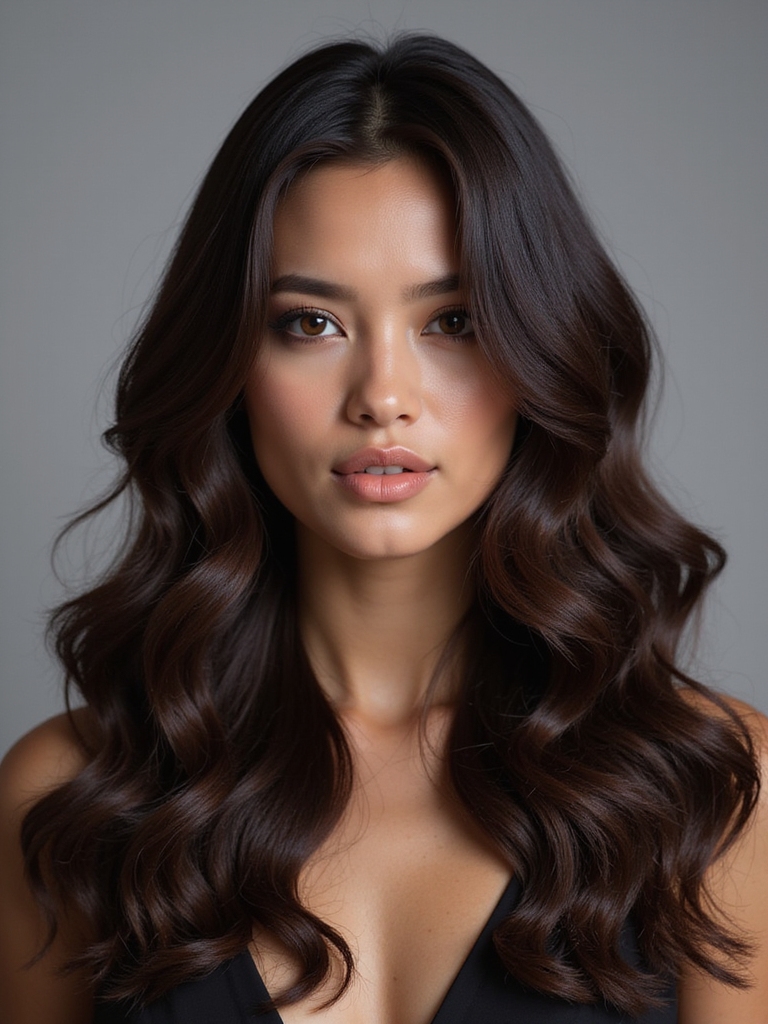
Most of espresso’s longevity is decided at home. The color itself is stubborn; it is the shine and tone that need protecting, and a short routine keeps both for weeks longer.
What actually moves the needle:
- Cool-water rinses to seal the cuticle and hold shine.
- A sulfate-free, color-safe wash two to three times a week, not daily.
- A weekly deep conditioner or gloss mask to keep the warm tone from dulling.
Products Worth Keeping for Espresso Hair
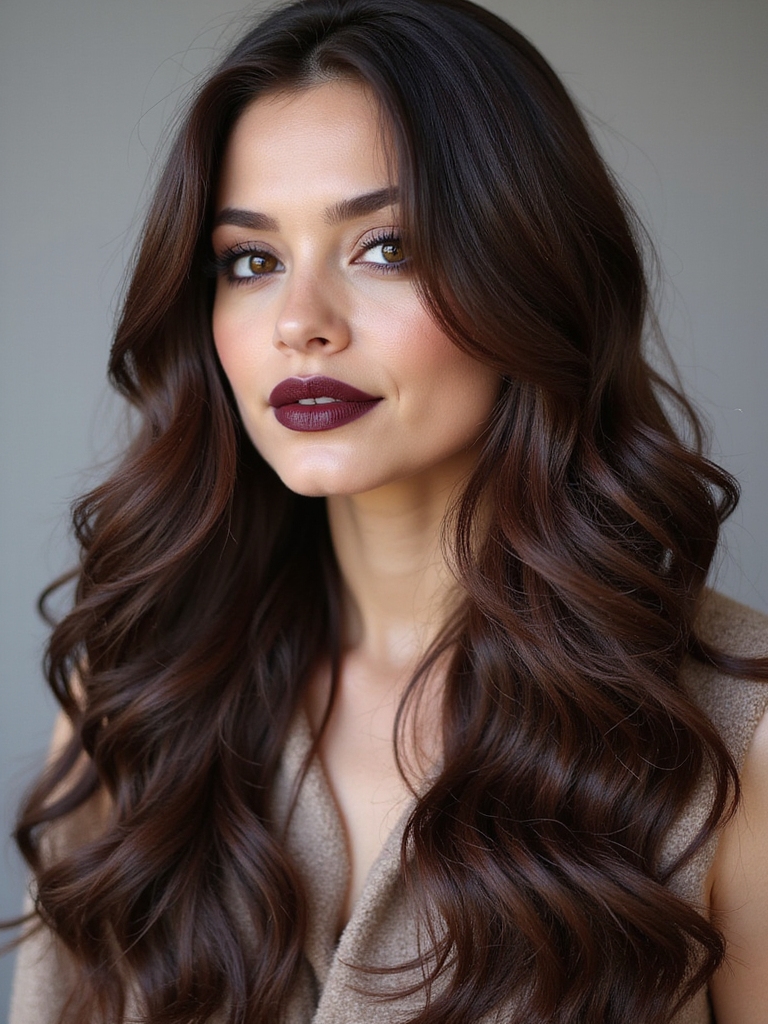
Espresso does not ask for a big product lineup, just a few items that earn their place. These are the categories I tell clients to actually spend on:
- A color-depositing brown conditioner or mask used every week or two to top up warmth between glosses, around $15 to $30.
- A bond-building treatment if you transitioned from lighter color, to keep porous strands healthy.
- A lightweight shine serum or oil for the mid-lengths and ends, which is what sells the glassy espresso finish.
Common Espresso Color Mistakes to Avoid

The fix I make most often on espresso is correcting a too-warm, too-red box result that has gone brassy after a few weeks. Box espresso tends to run hot, and on already-dark hair it builds up and turns muddy fast.
Box Espresso Almost Always Runs Too Warm
Skipping a strand test is the other big one, especially if you have any old color or highlights in your hair. Espresso layers unpredictably over existing color, and a strand test is five minutes that saves you a correction appointment.
And do not over-wash. People assume dark color is bulletproof, then strip the gloss and tone right out with daily clarifying shampoo and hot water.
How Espresso Can Look Softening Over Time

As hair matures, very flat, solid dark color can start to look harsh against the face, so the espresso you wore at 25 may want a small tweak later. The shade still works beautifully; it just benefits from a softer hand.
Soften the Face-Framing Pieces as You Go
The two adjustments that help most are keeping a hint of warmth in the formula and adding a few face-framing lighter pieces. Warmth and a little brightness near the face reflect light back up, which reads softer and more flattering than a wall of single-process dark.
Espresso also covers grays cleanly because the depth gives plenty of pigment to work with, so it is a practical choice as well as a flattering one. A demi-permanent gloss handles early grays gently without a hard line.
Pairing Espresso With Warm Bronze Makeup

Espresso and warm bronze makeup are a natural match because they share that coffee-warm undertone, so the whole look feels pulled together. Here is a simple bronze eye that flatters deep brown hair across skin tones, deep and melanin-rich complexions included, where bronze and copper shades look especially luminous.
- Wash a warm bronze shadow across the lid and blend it up into the crease with a fluffy brush.
- Deepen the outer corner with a touch of espresso-brown shadow for definition that echoes the hair.
- Finish with peachy blush and a nude-rose lip so the eyes stay the focus and the look stays natural, not heavy.
A quick warm-bronze eye that flatters espresso hair:
1Lid wash
Sweep a warm bronze shadow across the lid and blend up into the crease.
2Define and finish
Deepen the outer corner with espresso-brown shadow, then add peachy blush and a nude-rose lip.
Blending Espresso With Cooler Tones

Espresso does not have to live alone. Blended with cooler accents, it turns into a more dimensional, modern brunette that suits cool and olive skin especially well. An espresso base with fine ash-brown ribbons keeps the depth but takes the red out, which photographs crisp and clean.
For something bolder, a touch of cool fantasy works too: deep espresso with hidden panels of dark berry or a burgundy underlayer gives you a flash of color that stays workplace-safe until you flip your hair.
If you want a warmer cousin instead, a mahogany or mocha gloss layered over espresso pulls it toward a richer, cooler-weather brown.
Salon Techniques Behind a Great Espresso

When I formulate espresso in the salon, the result almost never comes from a single tube of color. The depth and shine people admire are built from a few techniques layered together, which is the real difference between a salon espresso and a box one.
The methods doing the work behind the chair:
- Custom tonal blending: mixing two or three browns to dial the warmth exactly to your skin.
- Soft balayage or teasylighting: hand-painted dimension so the color is not a flat block.
- A finishing gloss: the reflective top layer that gives espresso its signature glass-like shine.
Keeping Espresso-Dyed Hair Healthy and Glossy

Espresso forgives a lot, but it cannot hide damage; dry, frizzy hair eats the shine that makes the color worth wearing. A short health routine keeps the glass finish intact.
- Heat-protect every time you use hot tools, since a deep shade shows breakage as a dull, broken halo.
- Deep condition weekly to keep the cuticle smooth so light reflects evenly.
- Trim every 8 to 10 weeks so ends stay healthy and the color looks solid to the very bottom.
Styling Tips That Make Espresso Look Expensive
Whatever cut you wear, the finish is what sells espresso. Smooth the cuticle on your final pass, a cool blast from the dryer or a quick run with a flat iron at low heat, and the color goes from dark to truly glass-like. A pea-sized drop of shine oil through the mids and ends does the rest.
If you want movement, dry your roots up and away from the scalp for lift, then loosen the lengths with your fingers rather than over-brushing. Espresso looks its best with a little undone texture catching the light, not poker-straight and flat. Save a reference of your favorite finish so you can recreate it on your own between salon visits.
Espresso Brunette Questions, Answered
?Do I need to bleach my hair to go espresso?
In almost all cases, no. Espresso is a deep shade, so going from natural or darker hair takes one application with no lifting. Only pre-lightened blonde hair needs a filler step first to keep the color from fading or pulling green.
?Will espresso brunette wash me out?
Not if you match the warmth to your undertone. A warm red-brown espresso flatters golden and deep skin, while a neutral or ashier espresso suits cool and olive complexions. The wrong warmth, not the depth itself, is what causes a washed-out look.
?How do I keep espresso from fading to a dull brown?
Wash two to three times a week with a sulfate-free color-safe shampoo, rinse cool, and get a tinted gloss every 4 to 6 weeks for about $40 to $90. Hot water and clarifying shampoos are what strip the warm tone out fastest.
?Can I do espresso at home with a box?
You can, but box espresso runs warm and builds up on already-dark hair, often turning brassy or muddy within weeks. Always do a strand test first, and if you have old color or highlights, a salon application is far safer.
?How much does espresso color cost at a salon?
A single-process espresso usually runs $80 to $150, while balayage or dimensional versions land closer to $150 to $250 depending on length. Budget for a gloss every month or so on top of that to keep the shine and tone.
Where Your Espresso Goes From Here
Espresso brunette earns its reputation as the easy cool-season brunette: deep, flattering, low on regrowth drama, and rich enough to look styled on an ordinary day. The two decisions that make or break it are depth and warmth, so settle those for your skin and your light before anything else.
Once it is on, the work is small, a gloss every month or so, cool rinses, and a little shine oil. Save this as your reference for your next color appointment, and you will walk in knowing exactly what to ask for and how to keep it looking its best.
More Worth Saving