
Walking into a braid appointment without a reference photo is how you end up with hair you did not quite mean to ask for. The braider can only build what you can describe, so the screenshots you save beforehand do half the work.
Consider this your save-list. Thirteen braided styles worth screenshotting before your next appointment, each with what to actually ask your braider for, a rough sense of the time involved, and the care that keeps it fresh. Pick a few, save them, and walk in ready.
How to Use This List
- Save two or three options, not one, so you and your braider can adjust to your hair and density.
- Note the size and length you want, since those decide both the price and how long you sit.
- Ask for knotless or feed-in if your edges are fine, the gentlest start on the hairline.
- Plan the upkeep, a satin scarf nightly and a takedown by week six to eight, before you book.
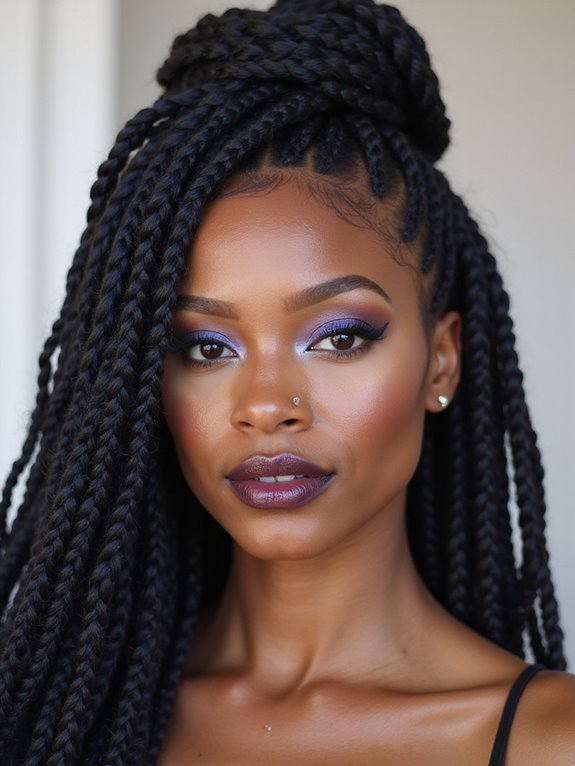
Classic Protective Box Braids

If you save just one style, make it classic medium box braids, the dependable benchmark that flatters nearly everyone and restyles into a hundred looks. Square-parted and free-hanging, they balance comfort, wear, and versatility better than any other size.
When you book, ask for a medium size and the length you want the braids to hit, and mention whether you prefer a knotless start. Budget several hours in the chair, and you walk out with a set that carries a busy month. See box braids hairstyles for the full range.
If you are torn on length, save both a shoulder-length and a waist-length reference, since the longer set adds real weight and noticeably more time in the chair. A mid-back length is the sweet spot most people land on for everyday wear.
Lightweight Knotless Braids

Knotless braids are the comfort upgrade everyone is saving right now, fed in gradually so there is no tight knot tugging at the root. They sit lighter, move more naturally, and are far kinder to your edges. What to ask for: Save a knotless reference even if you have only ever worn the knotted kind, because the difference in comfort over the first few days is hard to overstate, especially around a tender hairline.
- A knotless start, named specifically, since it is gentler than the traditional knot
- A smaller-to-medium size for the sleekest, most natural drape
- Honesty about your edges, so the braider keeps the front comfortably loose
ℹ️Good to Know
Most braid appointments run anywhere from two to eight hours depending on size and intricacy, jumbo and chunky styles at the quick end, micro and detailed patterns at the long end. Always confirm the time and price when you book, not when you sit down.
A Chic Braided Bob

A braided bob is the style to save when you want something lighter, faster, and playful, braids cut to a chin- or shoulder-grazing length. It is a relief in warm weather and a quick install since there is less hair to braid. To get it right at your appointment: It is also the easiest braid commitment to undo, so a braided bob is a smart save for testing whether you like braids before sitting for a longer, pricier set.
- Show a photo of the exact length, since bob lines vary a lot
- Choose your braid size, chunky for volume or smaller for a soft finish
- Ask about sealing the ends, so the bob holds its shape
Low-Maintenance Cornrows

Cornrows are the lowest-fuss save on this list, flat rows braided to the scalp that need almost no daily styling and can be the base for a ponytail or bun later. Straight-back rows are the everyday classic, while curved or feed-in versions add length and drama.
When you save a cornrow look, the parting pattern is what you are really choosing. A few things to ask for: Cornrows are also the budget-friendly save, since a simple straight-back set uses little hair and takes less time than most other styles, while still giving you weeks of low-effort, protective wear.
- The exact pattern from your photo, since the parts are the whole design
- Feed-in length if you want the rows longer and fuller
- A comfortable hairline, the one non-negotiable, see cornrow hairstyles
Heads-Up
If your scalp feels tight or tender after an install, or you notice small bumps along the hairline, the braids are too tight. Tension at the edges is the leading cause of braid-related thinning, so ask your braider to loosen the front, and never sit through pain for a neater look.
Voluminous Goddess Braids

Goddess braids are the bold, voluminous save for when you want presence, thick, raised cornrows that look regal while protecting your hair. Fewer, chunkier rows mean a faster, gentler install than fine cornrows, with a substantial, statement finish.
Why goddess braids are beginner-friendly
They are a great choice if you love a dramatic look but not a daylong appointment. Worn straight back, curved, or gathered into a bun, they make their own statement with little adornment.
When you book, bring a photo showing the row thickness and direction you want, and ask for curly pieces left out if you want that softer goddess look. The bigger parts also make this a friendly pick for a first set of cornrows. Save a couple of goddess references in different row counts, because a few thick rows look very different from a fuller head of medium-large braids, and the row count is the first thing your braider will want to know.
Lemonade Side Braids
Lemonade braids, feed-in cornrows swept all to one side, are the one to save when you crave something bold and a little dramatic. The side-swept direction flatters almost everyone, and the fed-in rows lie smooth and last for weeks.
At your appointment, show a clear photo of the sweep direction and how long you want the braids, since both shape the price. Ask the braider to keep the tension even, because all the rows pulling one way can strain the hairline if the front is too tight.
Saved a few of these in different lengths, since waist-length lemonade braids look very different from a shoulder-grazing set, and the longer you go the more time and hair the appointment needs.
Long-Wearing Micro Braids
Micro braids are the save for the longest, most natural-moving wear, tiny braids that drape almost like loose hair and last well past a month. The catch is time: a full set can take most of a day, so book accordingly and clear your schedule.
Tell your braider it is a micro set when you book so they allow enough hours, and plan a gentle, unhurried takedown to protect the fine hair underneath. The reward is weeks of versatile, natural-looking braids.
Because micro braids cost more in both hours and money, it helps to ask your braider for a firm quote up front. They reward patience, but they are the biggest commitment on this list.
Quick Jumbo Braids
When your appointment window is short and your budget is tight, jumbo braids are the save, fewer, thicker braids that go in fast and sit gently on the scalp. They make a bold statement with the least chair time of any size.
What to keep in mind when you book: They are also a smart way to test braids if you have never worn them, since the shorter sit and lower cost make a first set far less of a leap.
- A shorter appointment, often half that of small braids
- A lower cost, since less labor goes in
- A shorter wear window, as the bigger parts come down sooner
Patterned Fulani Braids
Fulani braids, rooted in the Fula people of West Africa, blend cornrows with free-hanging braids, often with a center braid and beads at the ends. They are a striking, traditional save that rewards a braider skilled in patterned work.
Because the design is intricate, send a reference photo and ask for a consultation before the appointment, so the braider can map a pattern that suits your head shape. For the full range of the style, see Fulani braids.
They also dress up beautifully for a wedding or a milestone, so they are worth saving even if you only wear them for special occasions a couple of times a year.
Soft Two-Strand Twists
If you want protection with a softer edge than crisp braids, save a twist style, Senegalese, passion, or Marley twists that swap the three-strand braid for a gentler two-strand rope. The coiled texture is forgiving and hides new growth well.
Name the specific twist you want when you book, since each uses different hair and gives a different texture. Twists often install a touch faster than equivalent braids, and they restyle into the same buns and ponies once they are in.
Twists are also a kinder choice if your scalp tends to feel sore in tight braids, since the looser two-strand technique puts less strain on the roots while still protecting your length.
Beaded and Accessorized Braids
Beads turn any braid into something personal and nod to a tradition of adornment across the African diaspora. Saving a beaded look is really about choosing how the ends are finished. A few notes for your appointment:
- Show where you want the beads, clustered at the front or scattered throughout
- Choose wooden, glass, or metallic to match the mood
- Keep heavy beads on sturdy braids, so the weight does not pull fine sections
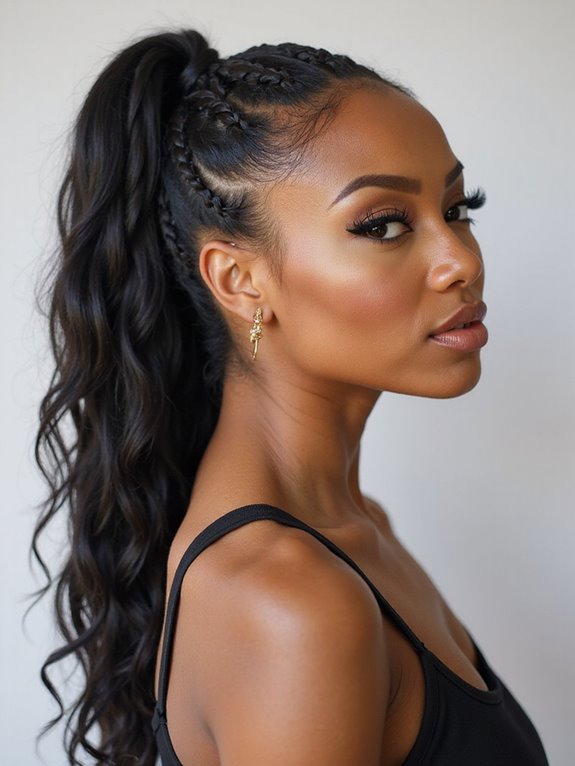
A Braided Updo or Ponytail
Not every save is a fresh install. Saving an updo or ponytail look reminds you how much one set of braids can do, gathered into a sculpted bun for an event or a sleek high pony for everyday. These are styles you create yourself between appointments.
Keep a couple of these photos for the weeks after your install, when you want a refresh without redoing anything. A high pony, a low coiled bun, or a half-up knot all restyle braids in minutes and hide a softening hairline.
Saving a couple of updo references is the cheapest item on this list, since these are styles you do at home with a few pins, stretching one install into weeks of fresh looks.
Trendy Butterfly Braids
Butterfly braids are the of-the-moment save, a boho knotless style deliberately fluffed so loose, curly pieces escape along the length like wings. The soft, undone texture is romantic and forgiving, which makes it more approachable than its intricate look suggests.
Tell your braider you want the butterfly effect specifically, with curly hair left out and pieces pulled loose as they go. It is a softer, trendier alternative to sleek braids, and the airy finish suits anyone who prefers texture over crisp lines.
They wear a little less crisply than sleek knotless braids, so save this one for a season when you are happy to embrace soft, undone texture rather than chasing a polished finish.
Braid Appointment Questions, Answered
?How many photos should I bring to a braid appointment?
Two or three is ideal. One leaves no room to adjust to your hair, while a few options let your braider recommend what suits your density and edges. Include a clear shot of the size, length, and any color or beads you want.
?Which braids are quickest to install?
Jumbo and chunky styles go in fastest, often two to four hours, because there are fewer, larger braids. Micro braids and intricate patterned designs take the longest, sometimes most of a day, so plan your appointment accordingly.
?How do I protect my edges at my appointment?
Ask for a knotless or feed-in start and tell your braider if anything feels tight, especially at the hairline. A comfortable install is not a luxury, it is what keeps tension from thinning your edges over time.
Save, Book, and Walk In Ready
The difference between a braid appointment you love and one you tolerate is usually preparation. A few saved photos, a clear idea of size and length, and an honest word about your edges set both you and your braider up to win.
So build your save-list from the styles here, match them to your week and your budget, and book with a reference in hand. Walk in ready, and you walk out with braids that fit your life, not just whatever was easiest to do.
More to Explore