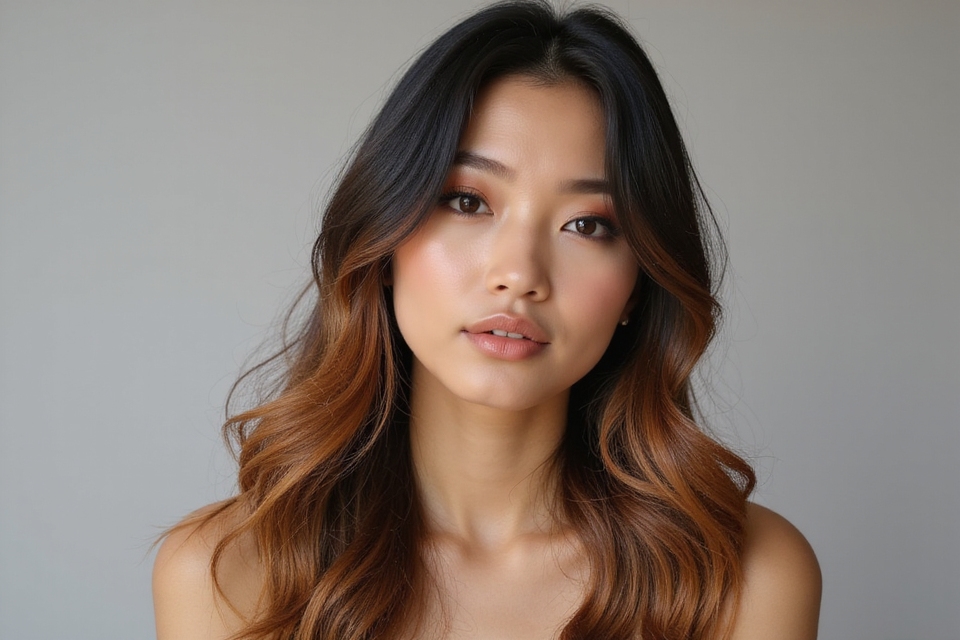

The first half braid I ever pinned on a client took under five minutes, and she still asked me twice whether she was allowed to wear it to a wedding that same night. That is the quiet appeal of half braided hairstyles: the crown or the sides do the styling work while the rest of your hair hangs loose, so a single look works for both a casual morning and a dressed-up night.
This season half braids are turning up everywhere, from soft boho plaits to crisp cornrowed sections tucked behind one ear. Below I walk through how to choose the braid, match it to your texture, and keep it looking good past day one, plus the honest trade-offs most guides skip.
What to Know Before You Braid
- A half braid keeps part of your hair plaited and the rest down, so it shifts from day to night without a full restyle.
- Match the braid to your texture: fine hair holds a looser three-strand, while coily hair carries a clean cornrow or flat twist beautifully.
- Keep any braided section firm enough to hold but gentle at the scalp; tension that pulls the hairline is the fastest way to stress your edges.
- A small kit (edge brush, mini elastics, a light oil) runs about $15 to $25 and covers everything you need at home.
- Beads, cuffs, and a temporary gloss are the cheapest way to change the look without re-braiding.
Why Half Braids Feel So Versatile
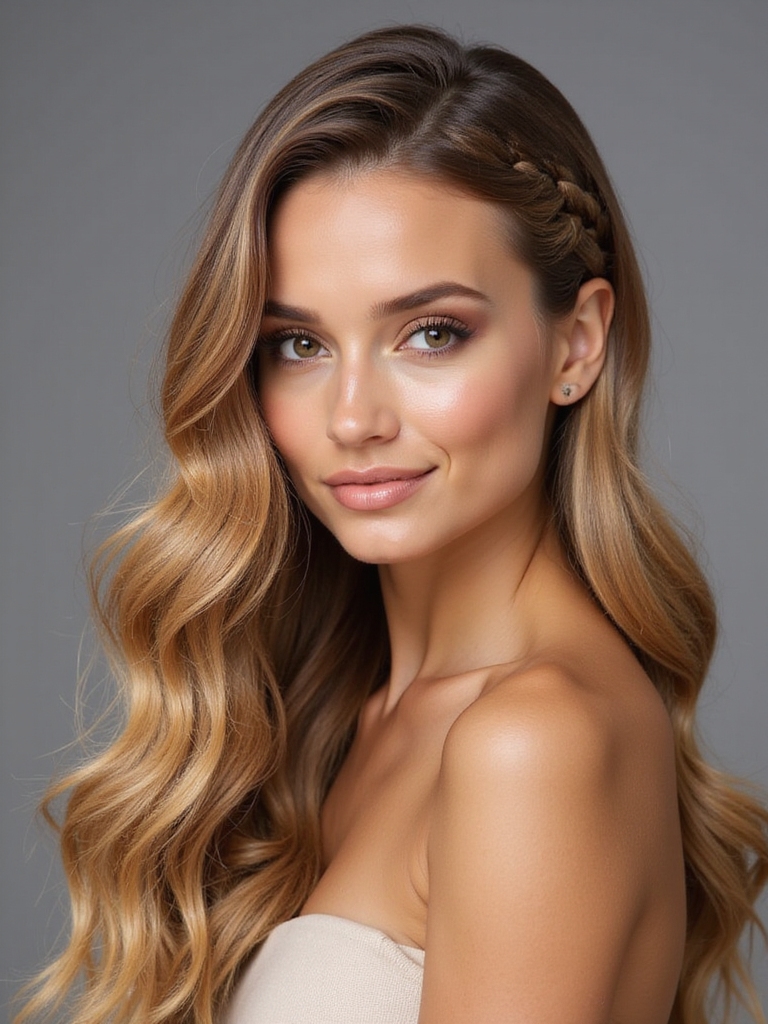
A half braided hairstyle plaits only part of your hair, usually the crown, the front sections, or one side, and leaves the rest hanging down. That single decision is what makes the style so flexible: the braided part holds shape and keeps hair off your face, while the loose length still moves and softens the whole look.
One Style, Two Occasions
It suits almost anyone because you control how much gets braided. Want something barely-there for a work call? Braid a thin section along your part. Heading somewhere that asks for more? Add a second braid or wrap it into a low knot. The base look stays the same; only the amount of braiding changes.
The honest catch is that a half braid still needs your loose hair to behave. If your ends are frizzy or flat, the braid draws attention right to them, so a quick smoothing pass matters more here than with a full updo.
The Timeless Roots Behind Braiding
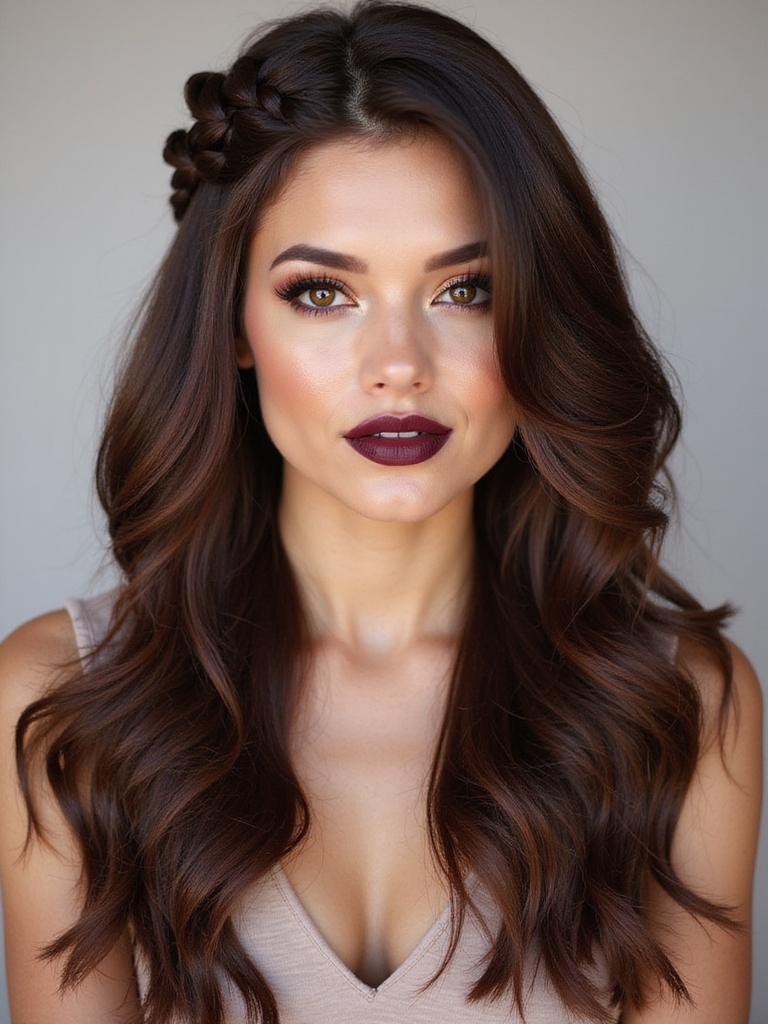
Braiding is one of the oldest styling techniques we have, and cornrows, flat twists, and plaits carry deep cultural history, particularly within Black communities where these styles have been a craft, a language, and a form of care passed down for generations. A half braid borrows from that lineage rather than inventing anything new.
What has changed is how loosely we wear it. Where a full braided style was often about neatness and protection, today’s half braids lean into a softer finish, a few pieces left out around the face, the plait kept a little undone on purpose.
Knowing where a technique comes from makes you a better stylist of your own hair. When you understand that a cornrow was built to lie flat and last, you treat it with the respect and gentle tension it was designed around instead of yanking it in and wondering why your scalp aches by noon.
One Half Braid, Day to Night Versatility

The strongest argument for a half braid is that it travels. You can build it once in the morning and change its mood twice before bed, which is exactly why it earns a spot in a busy week. A few quick braided looks take five minutes and still hold through a long day.
Here is how one braid stretches across a full day without starting over:
- Morning: braid a single section along your part and leave the rest smooth for a clean, low-key finish.
- Afternoon: pull a few face-framing pieces loose so the look softens as the day goes on.
- Evening: tuck the braid’s tail into a small pin or twist it into a knot for something more finished.
Braiding to Celebrate Your Texture
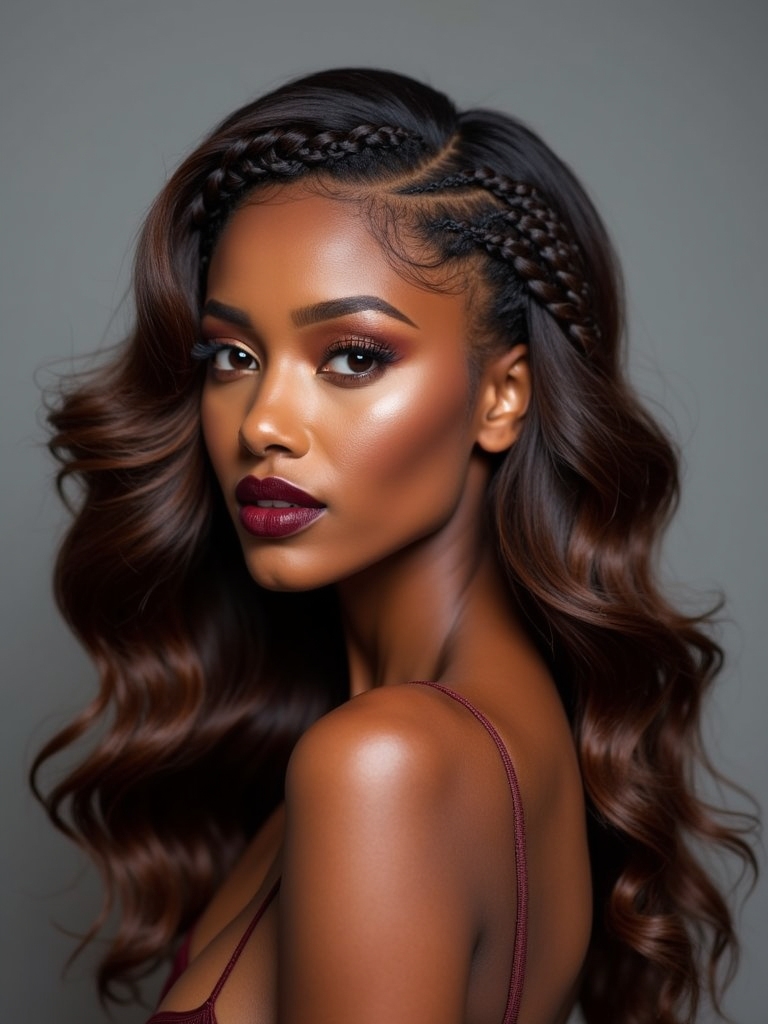
Your texture is what makes a braid look like yours. Straight and fine hair gives you a sleek, defined plait. Wavy hair adds a little grip so the braid stays put. Curly and coily hair brings dimension and hold that finer textures have to work for.
Coily and Afro-textured hair is especially suited to half braids because the natural texture keeps the braid from sliding loose and gives the down section real body. Flat twists or a couple of cornrowed sections look clean and intentional against that texture.
The one rule that crosses every texture is moisture. A braid on dry hair looks rougher and frays faster, so a light leave-in or oil before you start pays off no matter what your curl pattern is. Work with what grows out of your head and the style follows.
Matching the Braiding Technique to Your Texture
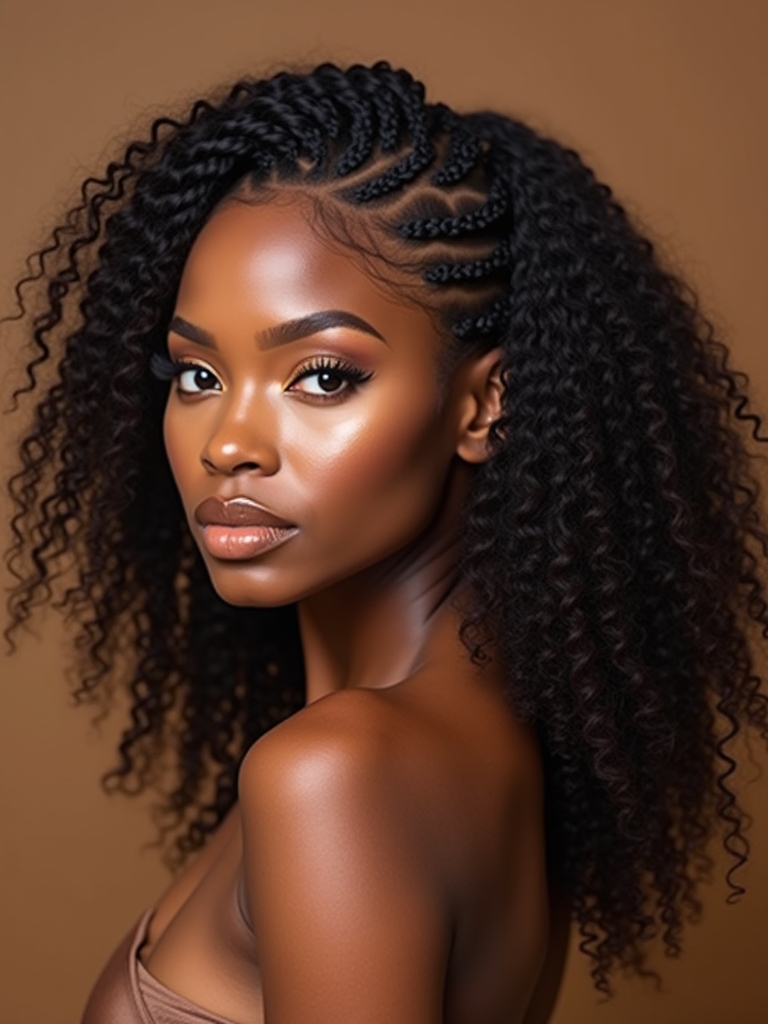
Picking a technique is mostly about honesty regarding what your hair holds. Fine or slippery hair does best with a looser three-strand braid or a fishtail, because tight patterns slide out within an hour. Thicker, textured hair can carry a cornrow or flat twist that stays crisp for days.
If you are new to this, start with the braid your hair naturally cooperates with, and save the screen-inspired pattern for later. I have watched clients fight a slippery French braid for twenty minutes when a simple twist would have held all day. A style that suits your texture looks polished with far less effort. Match first, get fancy later.
The Tools and Products That Make Braiding Easier
You need surprisingly little to braid at home, and the one tool I tell every beginner to buy first is a proper edge brush; it is the difference between a rushed braid and one that looks done. A starter kit costs about $15 to $25 and lasts through dozens of styles.
- Wide-tooth comb to detangle without snapping strands before you part.
- Small clear elastics to hold ends invisibly, plus a rat-tail comb for clean sections.
- A light oil or leave-in for slip, and an edge control gel only if you want a sleek, laid finish.
Everyday Half Braided Styles
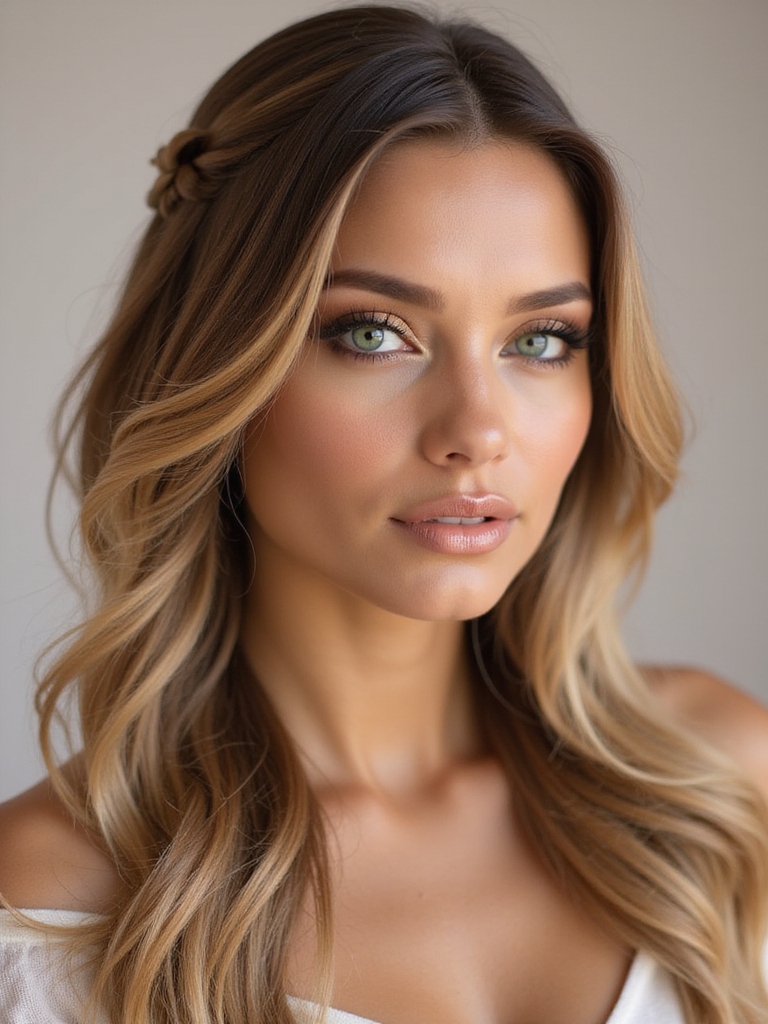
The everyday version of a half braid should take under ten minutes and survive a commute. I keep mine to one or two braided sections so there is less to redo if a piece slips, and I skip heavy product on workdays so my hair still feels like hair by evening.
- A single side braid sweeping from your part to behind your ear, rest left down.
- Two thin braids pulled back and joined with one elastic, like a half-up without the ponytail bulk.
- A loose front twist on each side, met at the back for a soft, hands-free frame.
👍Why Everyday Half Braids Work
- +Ready in under ten minutes with no heat.
- +Keeps hair off your face through a busy day.
- +Easy to redo if one section slips.
👎Where They Fall Short
- –Frizzy or flat ends show more against a braid.
- –Fine hair needs volume prep to avoid looking thin.
- –Loose braids loosen further if you touch them all day.
Taking Day Braids Into Night

When someone texts me at 5 p.m. asking how to go from desk to dinner without washing and restyling, the half braid is my whole answer. You already did the hard part this morning; the evening is just three small edits.
The Five-Minute Evening Reset
First, loosen the braid gently by tugging its outer edges so it looks fuller and less tidy. Second, add a little lift at the crown with your fingers or a soft tease. Third, smooth any flyaways with a drop of oil so the loose length catches the light.
If you want to go further, fold the braid’s tail up and pin it into a low tuck, borrowing the shape of a braided bun without committing to a full updo. It takes about two minutes and looks completely different from your daytime look.
Accessories That Add Glamour
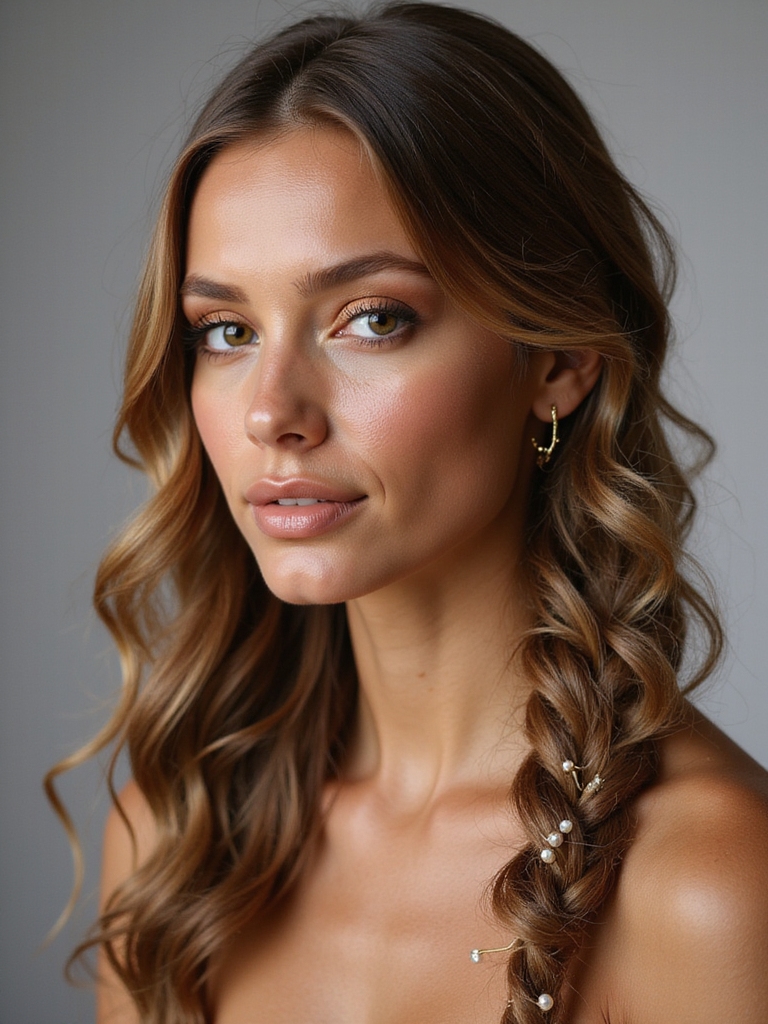
Accessories are the cheapest way to change a half braid, and a little goes a long way. A set of gold cuffs or wooden beads runs about $6 to $15, and most of my clients are surprised how much one row of cuffs changes a plain plait.
Where to Place the Shine
Restraint is the whole game. One row of cuffs down a single braid looks intentional; the same cuffs on every section starts to look costume. Pick one focal point, usually the most visible braid, and let the rest stay clean.
For dressier nights, a thin metallic ribbon woven into the braid or a single pearl pin near the tuck does more than a handful of scattered clips. Match the metal to your other jewelry and the whole thing looks considered instead of busy.
Techniques for Boosting Volume in Half Braids
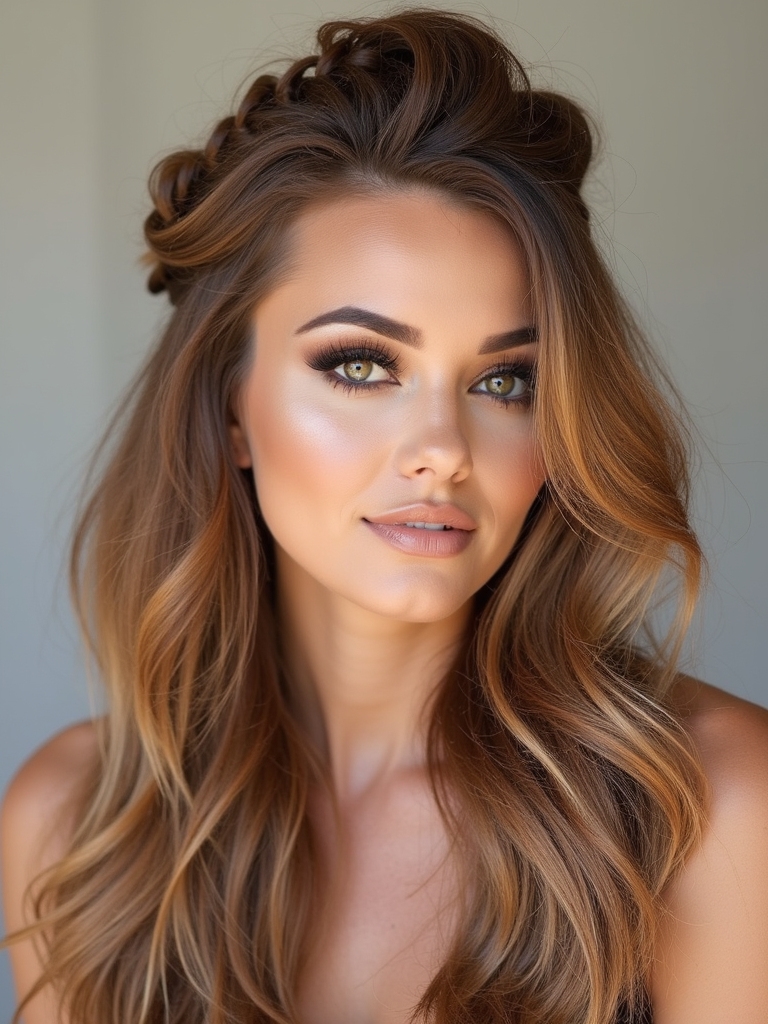
Flat braids are the most common complaint I hear from clients with fine hair, and volume is almost always built before and after the braid, not during it. A little help keeps a half braid from looking thin.
Pancaking, Step by Step
Before you braid, mist a texturizing spray at the roots and tease gently underneath the crown for lift that lasts. This gives the braid something to sit on top of instead of lying flat against your scalp.
After you braid, the move that changes everything is pancaking: pinch and pull each loop of the braid outward, working from the top down. It widens the plait and makes even thin hair look like there is more of it. Go slowly so you do not pull strands loose entirely.
| Hair type | Best volume move | What to skip |
|---|---|---|
| Fine or thin | Tease roots, then pancake the braid | Heavy oils that weigh it flat |
| Medium or wavy | Texturizing spray before braiding | Over-tightening at the scalp |
| Thick or coily | Loosen loops gently after braiding | Extra product; it already has body |
Simple Half Braided Looks for Beginners
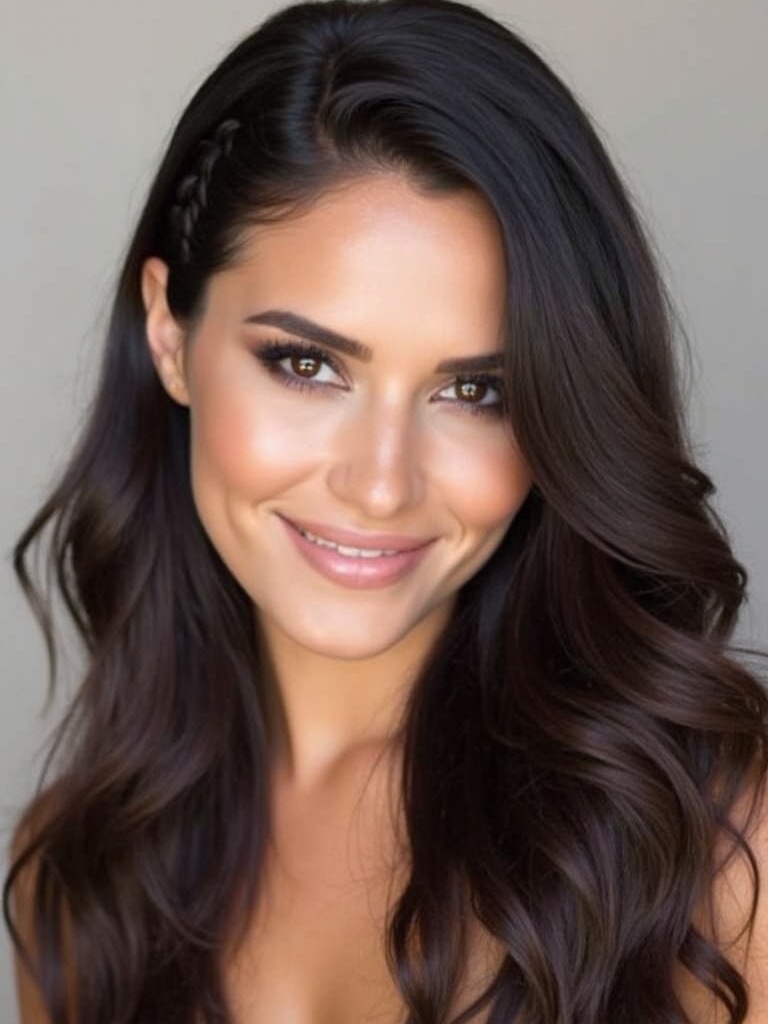
If you have never braided your own hair, start with styles that forgive mistakes. A twisted half braid, where you simply cross two sections over each other, looks intentional even when it is uneven, and it is the gateway to everything harder.
Two more worth learning early: a half crown, where you braid from one side around to the other, and a single Dutch braid down one section. Both are covered step by step in these easy braids for beginners, and both give you the muscle memory that makes fancier patterns possible. Practice on second-day hair; clean hair is too slippery to hold while you learn.
Advanced Half Braiding Patterns Worth Practicing

Once the basics feel automatic, the patterns below reward the practice. None are as hard as they look on camera; they are mostly the same motions layered or angled differently, and each one takes maybe three or four attempts before it clicks.
- Waterfall braid: drop one strand each pass so pieces fall through, giving a soft cascade across the crown.
- Ladder or rope braid: twist two sections in opposite directions for a corded look that holds without much product.
- Lace braid: feed hair in from one side only, which curves the braid gracefully around the head.
Where Celebrity-Inspired Half Braids Come From
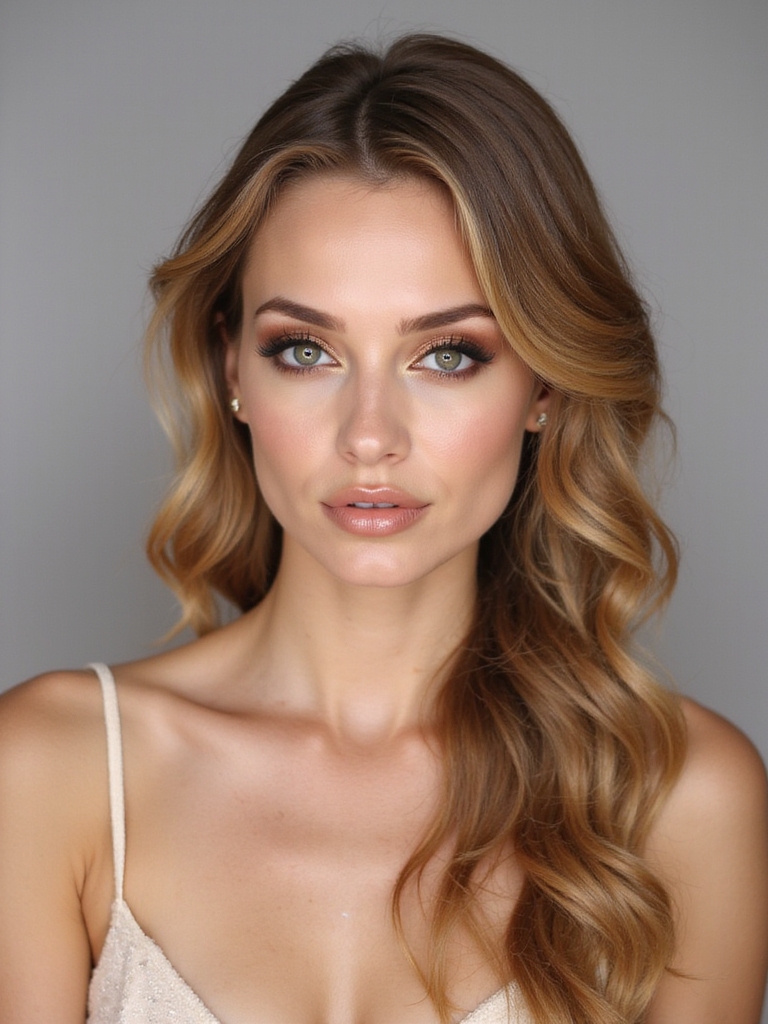
A lot of the half braids that trend each season start on a stage or a red carpet, then filter down to the rest of us in a simpler form. The runway version might use extensions and an hour of work; the wearable version keeps the shape and drops the fuss.
You do not need a stylist backstage to borrow the idea. Watch for these recurring shapes and adapt them to your own length:
- A single sleek braid pulled straight back from a deep side part, rest left glassy and straight.
- Loose boho plaits with pieces slipping out, the look that feels romantic without trying.
- A braided section wrapped like a headband, keeping hair back for a clean, camera-ready face.
Seasonal Adaptations for Braided Styles
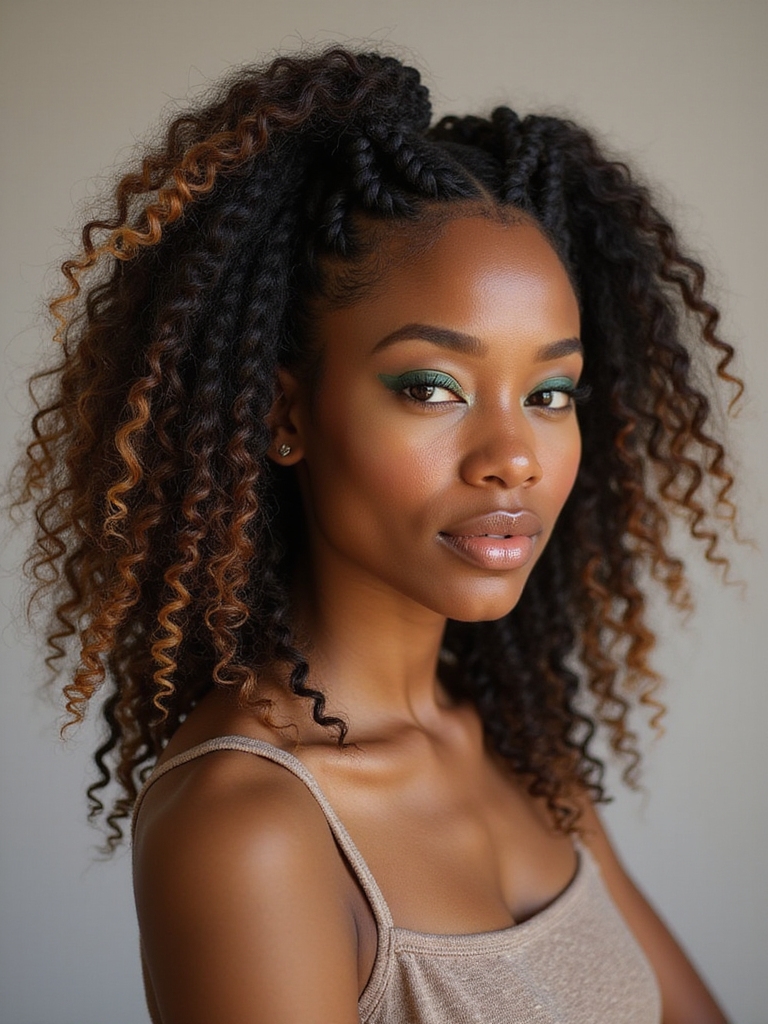
The season quietly decides which half braid works. In summer heat and humidity, a braided section keeps hair off your neck and fights frizz better than loose hair, so lean into tighter, cleaner braids that resist damp air.
Right now, as the weather shifts cooler and drier, I go the other way, keeping braids looser and adding more oil, because central heating and cold wind pull moisture out fast and a dry braid frays. A softer plait also plays nicely with hats and scarves.
The through-line is that you adapt the braid to the air each season. A style that lasted all day in July may fall flat in January, and that is the humidity talking, not your technique.
A Versatile Half Braid Style for Short Hair
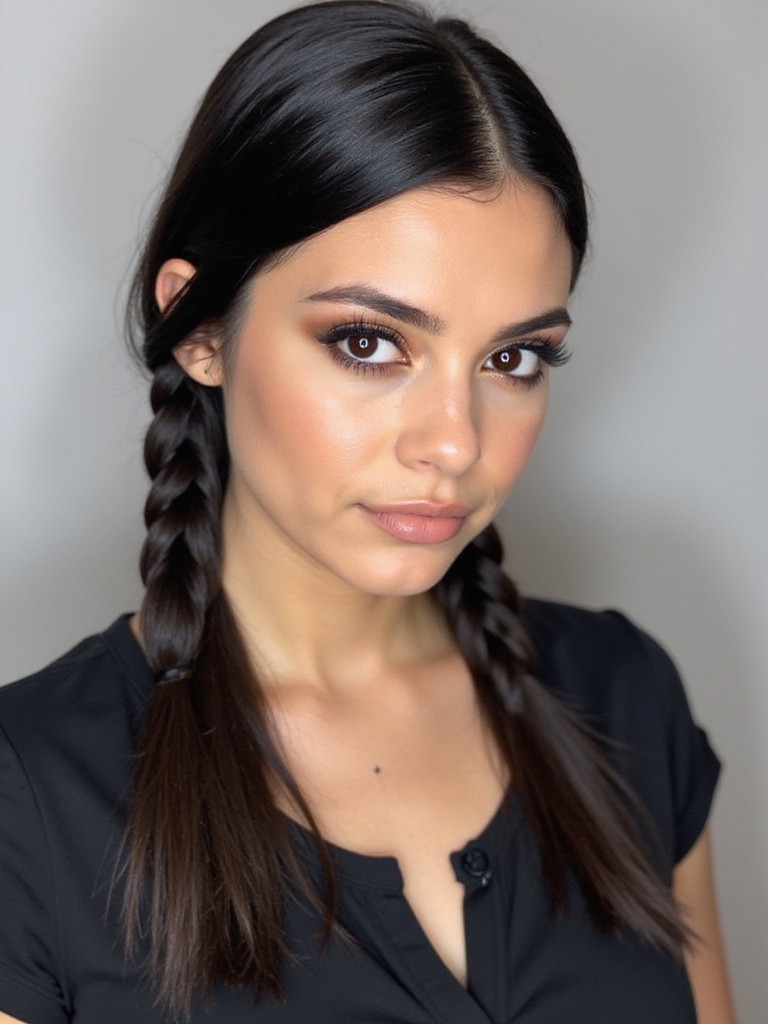
Short hair still works for a half braid; it just changes the scale. Even a chin-length bob has enough to plait a small front section, and that one braid does a lot of framing work when there is less length overall.
Making It Hold on Short Layers
The move that saves short-hair braids is small elastics and a few bobby pins. Because there is less weight holding the braid down, you secure the tail before it can unravel, then tuck the end under so it disappears into the rest of your hair.
My favorite short version is a pair of tiny braids on each side, pulled back and pinned to meet in the middle. It keeps growing-out layers off your face and looks deliberate on hair too short for most updos.
Adapting Versatile Half Braids for Long Hair

Long hair gives you the most room to play, but weight is the thing to manage. A long braid pulls on itself and can slip down over the course of a day, so anchor it higher than feels natural and let gravity do the settling.
Anchoring a Long Braid
The payoff is range. You can do a half-up crown braid, a loose side fishtail that drapes over one shoulder, or a braided section that flows into the rest of your length like it grew that way. Long hair also carries beads and cuffs without looking crowded.
One honest note: long, heavy hair braided too tightly at the scalp is a common cause of tension soreness, so keep the root of the braid gentle and save any snugness for further down the length.
The Elegance of Half Braided Curly Hair
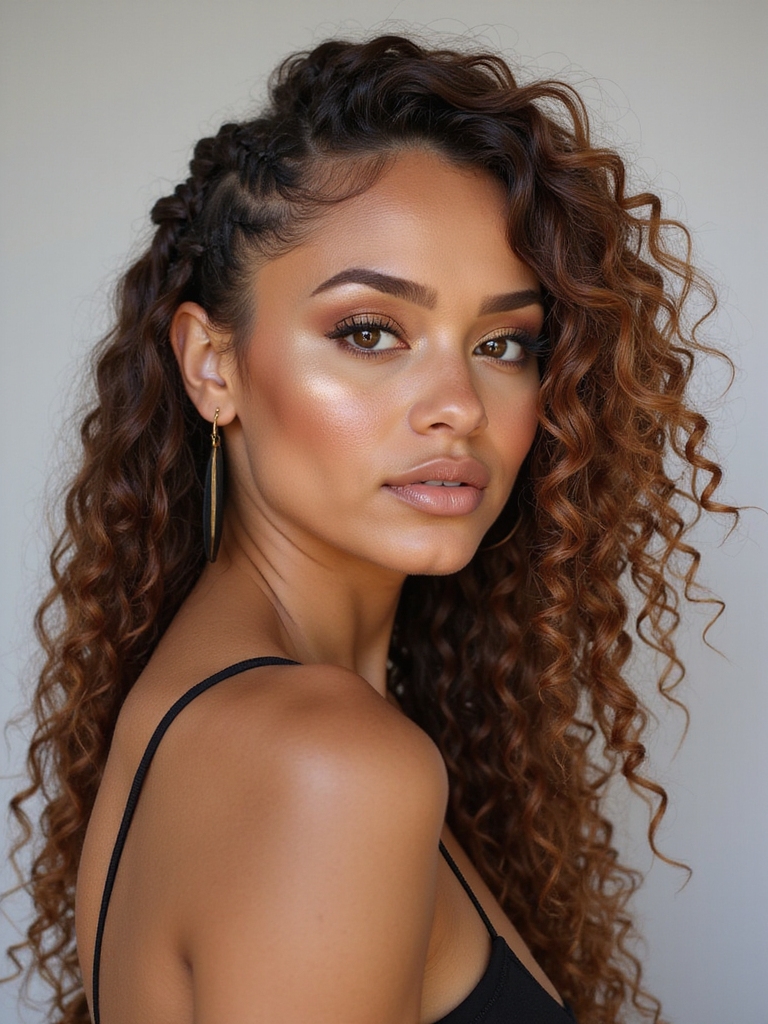
The curly clients I work with often assume braids will flatten their texture; a half braid does the opposite. A plaited section gives your curls a clean line to play against, and a loose crown braid or a single plait pulled back lets the rest of your curls stay full and defined.
The goal is to enhance the curl pattern, so braid a modest section and let the bulk of your texture stay free. Protective braided options like these protective braided styles go further when you want to tuck more length away, but for an everyday look, less braiding keeps the curls as the star.
Protect Your Edges
Braiding curly or coily hair too tightly at the hairline is a leading cause of traction stress and thinning edges. Keep the braid gentle where it meets your scalp, and if a style feels sore or pinches, take it down. A half braid should never hurt to wear.
Maintenance Tips to Keep Half Braids Fresh

After years of watching braids fall flat by day three, I have learned that maintenance is small and nightly. A light mist of water and a smoothing of the edges each morning does more than any single deep treatment.
Keep loose strands pinned instead of re-braiding the whole thing, refresh frizz with a pea-sized drop of oil, and resist touching the braid all day, since hands are what loosen it fastest. A half braid you leave alone lasts noticeably longer than one you keep fussing with.
How to Protect Braids While You Sleep
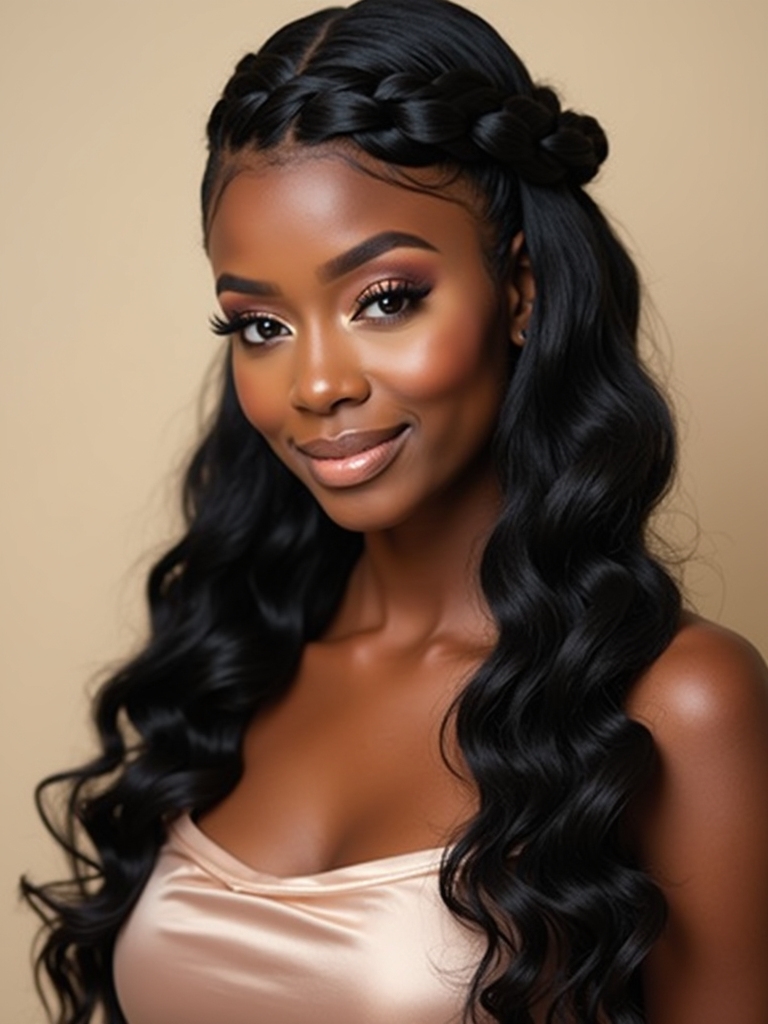
Sleep is where most braids die, undone by friction against a cotton pillow over seven or eight hours. Protecting them overnight is the single highest-return habit for making a style last more than a day.
Your Nightly Braid Routine
A satin or silk pillowcase is the easiest fix and costs about $10 to $20; it lets your hair slide instead of snagging. A satin bonnet or scarf does the same job more thoroughly if you do not mind wearing one.
Before bed, loosely gather the down section so it sits free of your shoulder, and avoid sleeping on a soaking braid, which frays and can smell mildewy by morning. A few seconds of prep buys you a second and third day of wear.
📋Overnight Braid Checklist
- ✓Switch to a satin or silk pillowcase, or wrap in a satin scarf.
- ✓Make sure the braid is fully dry before bed.
- ✓Loosely gather the loose length so it is not crushed under you.
- ✓Smooth edges in the morning with water and a little oil.
Quick Fixes for Half Braided Hairstyle Slip-Ups
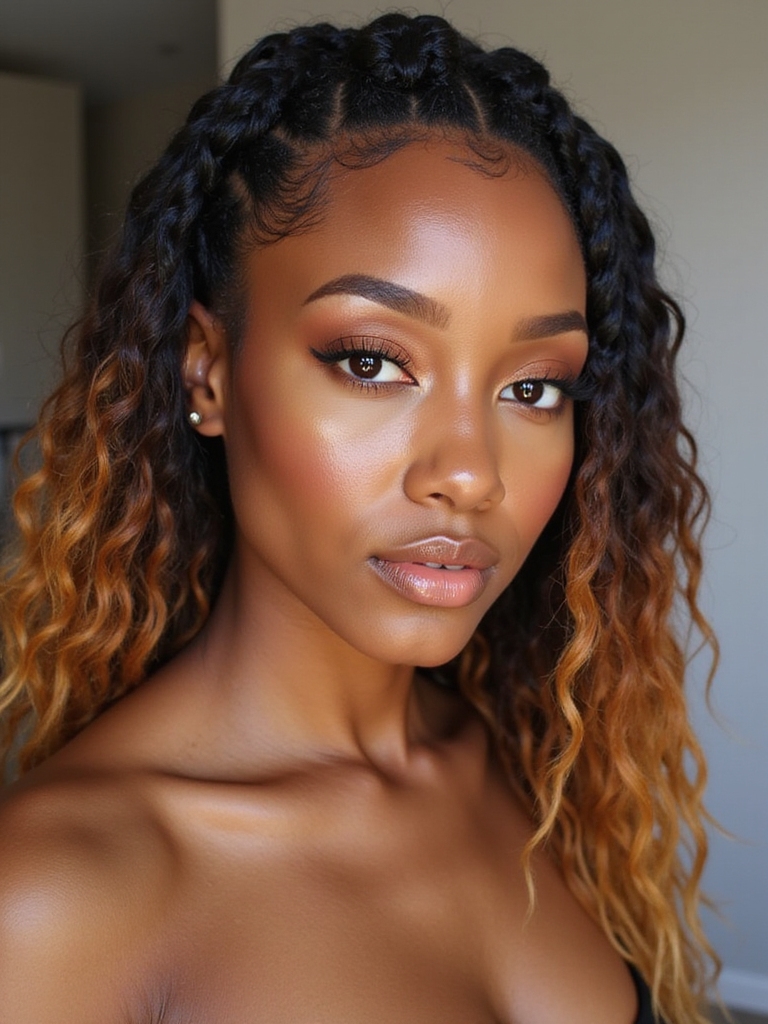
Braids slip; it happens to everyone, and the fix is almost always faster than starting over. When a few strands escape, tuck them back with a bobby pin crossed into an X for grip rather than re-braiding the section.
The Thirty-Second Save
Midday frizz is the other common problem. A light mist of hairspray smoothed with your palm, or a tiny bit of silicone serum on just the fuzzy parts, tidies the braid without making it crunchy.
And if the braid gives out entirely, it converts instantly: gather everything into a low ponytail or a quick knot and the half-braid becomes an intentional new look in about thirty seconds. No one will know it was a rescue.
Creative Ways to Combine Half Braids With Other Looks

A half braid plays well with almost every other style, which is part of why it never really goes away. Add loose beach waves to the unbraided length and you get a relaxed, undone finish that still has one crisp detail holding it together.
Pair a sleek braided section with a high top knot for a mix of tidy and casual, or run a thin braid into a ponytail so even a five-minute pony looks like you thought about it. The braid becomes the accent that keeps a simple base from looking plain.
For fuller braided drama, borrow shape ideas from box braids and scale them down into a single accent plait. You get the visual interest without the multi-hour install.
How Color Enhances Half Braids
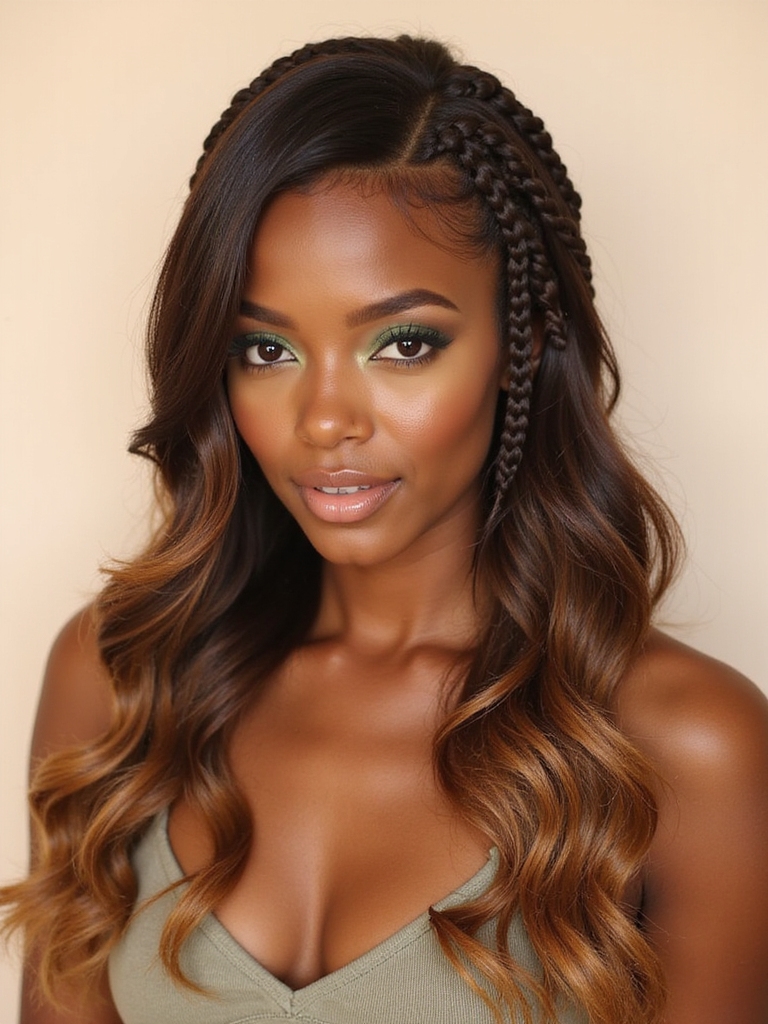
Color and braids flatter each other because a braid separates strands and shows off every shade woven through it. Even subtle dimension in your hair looks like deliberate highlights once it is plaited, which is why colored hair photographs so well in a braid.
You do not need a permanent commitment to try it. Temporary options let you test a look for a single night:
- A temporary gloss or color spray ($10 to $20) adds a wash of tone that rinses out.
- Clip-in colored strands braided in give you a bold streak with zero dye.
- Existing highlights or balayage need nothing extra; a braid simply reveals the contrast you already have.
Half Braids for Elegant Special Occasions

For weddings, parties, and anything that asks for a little more, a half braid dresses up without the stiffness of a full updo. Build it in this order for a look that holds through the whole event:
- Prep with a smoothing product so the loose length stays glossy under photos and lighting.
- Braid your chosen section a touch tighter than everyday so it survives hugs and dancing.
- Add curls or soft waves to the unbraided hair for movement that reads dressy.
- Finish with a discreet pin, one accessory, and a light mist of hairspray for all-day hold.
Half Braid Questions, Answered
?How long does a half braided hairstyle last?
A simple half braid on your own hair holds for a day, or two to three if you protect it overnight with a satin pillowcase or scarf and refresh the edges each morning. Tighter cornrowed sections can last several days. Loose three-strand braids on fine hair loosen fastest, so plan to redo those daily.
?Do half braids damage your hair?
Not when they are worn gently. Damage comes from tension: braiding too tightly at the scalp, especially at the hairline, can stress your edges over time. Keep the root of the braid loose, avoid sleeping on tight braids night after night, and take any style down if it feels sore. Worn softly, a half braid is one of the lower-risk styles you can wear.
?What length of hair do I need for a half braid?
You can braid a small section on hair as short as chin length; you just work at a smaller scale and secure the tail with a clear elastic and a pin. Medium and long hair give you more braid options and let you add beads or cuffs, but short bobs absolutely work for a single front or side braid.
?How much does it cost to get half braids done?
At home it costs almost nothing beyond a starter kit of around $15 to $25. If you want a professional to install a more intricate half-braided or cornrowed style, expect roughly $40 to $80 depending on your area and the detail, and more for anything using added length.
Braid It Once, Wear It Twice
The reason half braids keep earning a place in my routine is that they ask for so little and give back so much: one plait in the morning, a couple of tweaks at night, and you have worn two looks on one wash.
Start with the braid your texture already cooperates with, keep the tension gentle where it meets your scalp, and let the loose half of your hair carry the softness. The fancy patterns come later, but a good half braid is within reach today.
Next Up